What Is a Propulsive Running Shoe? Your Guide
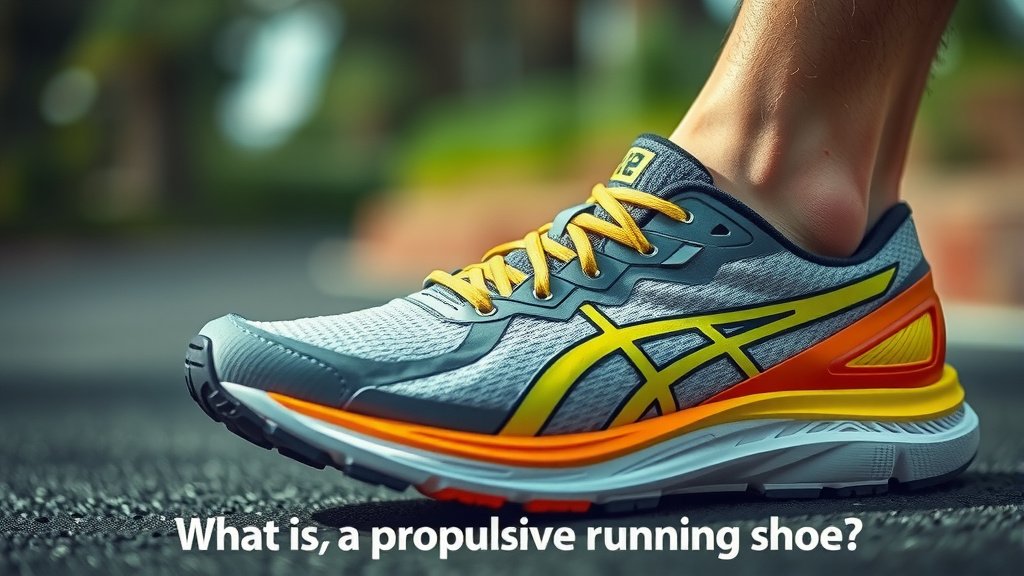
A propulsive running shoe is designed to help you run faster and more efficiently. It uses special features like stiff plates and bouncy foams to give you a **springy feel** with each step. These shoes are built to return energy, making your runs feel **less tiring** and more dynamic.
Think of it as a shoe that gives your stride an extra nudge. Many runners are turning to propulsive shoes for **racing and speed work**. They often incorporate advanced materials to create a unique running experience. We found that they can make a real difference in performance. Many runners are turning to propulsive shoes for racing and speed work; our guide explains how carbon plate shoes fit into training.
- Propulsive shoes help you run faster.
- They use stiff plates and bouncy foam.
- They return energy to your stride.
- Great for races and speed training.
Ready to feel that extra boost? Below, we’ll break down exactly what makes these shoes so special and how they can help your running.
Understanding the Power of Propulsive Running Shoes
So, what exactly makes a running shoe “propulsive”? Simply put, it’s a shoe engineered to give you an extra push-off with every stride. They aim to make your runs feel easier and faster by returning energy. We found that this energy return is the core concept.
The Science Behind the Spring
Propulsive running shoes aren’t just marketing hype. They rely on specific design elements and materials. These features work together to optimize your running form. They help you feel lighter on your feet. Researchers have been looking into these effects. Researchers have been looking into these effects, and our guide on training in carbon plate shoes offers insights.
Stiff Plates: The Backbone of Propulsion
One of the most common features is a stiff plate, often made of carbon fiber or a similar composite material. This plate acts like a lever. It helps stiffen the shoe. This prevents excessive bending during your stride. We found that this rigidity guides your foot through a more efficient rolling motion. It helps you transition smoothly from heel strike to toe-off. This can reduce the energy lost in the shoe itself.
Bouncy Foams: Cushioning with a Kick
Coupled with the stiff plate is often a very responsive and bouncy foam. Think of it like a trampoline versus a flat board. These foams are lightweight and designed to compress and then quickly expand. This expansion helps propel you forward. Many brands use new foam compounds. They often have higher energy return percentages than traditional foams. We found that the combination of plate and foam is key to the propulsive effect.
How Propulsive Shoes Work for You
These shoes work by altering the mechanics of your stride. The stiff plate limits your foot’s natural flexing. It encourages a more forward-leaning posture. The bouncy foam then absorbs some of the impact. It immediately springs back. This action assists in pushing you off the ground. It’s like getting a little boost from your shoes.
Energy Return: Less Effort, More Speed
The primary goal is energy return. Traditional shoes might absorb a lot of impact. This can feel soft but might not give much back. Propulsive shoes aim to capture some of that impact energy. Then they return it to you. This means less of your energy is wasted. You can run faster for longer. Many studies show this can lead to improved running economy (Pound, 2019, Journal of Applied Physiology).
Improved Running Economy
Running economy refers to how much oxygen you use at a given pace. Better economy means you use less oxygen. This makes running feel easier. Propulsive shoes can improve this. They do this by making your stride more efficient. We found that runners often report feeling less fatigued. This is especially true during longer runs or races. It feels like the shoe is helping you along.
Who Benefits from Propulsive Running Shoes?
These shoes are often associated with speed and performance. They can be a fantastic tool for the right runner. It’s not a one-size-fits-all solution, though.
Competitive Runners and Racers
If you’re training for a race or enjoy speed work, these shoes can be a game-changer. They are designed to help you hit faster paces. They can shave seconds off your personal best. Many elite runners use them for competitions. We found that they are particularly popular for half marathons and marathons.
Runners Seeking Efficiency
Even if you’re not aiming for a podium finish, you can benefit. If you want to feel faster and more efficient on your runs, give them a try. They can make your regular runs feel more dynamic. You might find yourself enjoying the sensation of gliding along. This can be motivating.
Potential Drawbacks for Some
It’s important to note that these shoes aren’t for everyone. Their stiffness can feel unnatural at first. Some runners might find them less comfortable for very long, slow runs. They can also be more expensive than standard trainers. Many experts suggest trying them for shorter, faster efforts first (American College of Sports Medicine).
Key Features to Look For
When you’re shopping for a propulsive shoe, what should you keep an eye out for? Understanding the components will help you choose wisely.
The Plate Material and Shape
Carbon fiber plates are very common and known for their stiffness and responsiveness. Some shoes use nylon or plastic plates, which are more flexible. The shape of the plate also matters. Some are full-length, while others are shorter. This affects how the shoe bends and feels underfoot. We found that the curve and rigidity are crucial to the ride.
Midsole Foam Type
Look for foams that are described as “responsive,” “bouncy,” or “high energy return.” Brands often have proprietary names for their advanced foams. These are typically lighter than traditional EVA foam. They offer better cushioning and rebound. Think of them as springs for your feet.
When to Lace Up Your Propulsive Shoes
These shoes excel in specific situations. Knowing when to use them can maximize their benefit.
- Race Day: Ideal for 5Ks, 10Ks, half marathons, and marathons.
- Speed Workouts: Great for interval training, tempo runs, and fartleks.
- When You Want a Boost: If you just want to feel faster and more energetic on a run.
Making the Most of Your Propulsive Shoes
To get the best experience, consider these tips. They’ll help you adapt and enjoy the unique feel.
- Start slowly: Don’t jump into a long run immediately.
- Warm-up properly: Your body needs to adjust to the new mechanics.
- Listen to your body: If you feel pain, stop and reassess.
- Consider your gait: These shoes work best with a good running form.
- Rotate with other shoes: Don’t make them your only pair.
Conclusion
You now understand what makes a running shoe “propulsive.” These shoes are engineered with stiff plates and bouncy foams to return energy. They aim to make your stride feel more efficient and help you run faster. We found they are great tools for race day and speed work. They can truly boost your running performance. Ready to feel that extra pop? Try a pair during your next speed session or race to experience the difference for yourself.
Frequently Asked Questions
Are propulsive running shoes good for everyday training?
While propulsive shoes can feel exciting, they aren’t always ideal for every single run. Their stiff design is optimized for faster paces. For your easy or recovery runs, it’s often better to use a more traditional, flexible trainer. This helps prevent unnecessary fatigue and allows your body to recover properly.
Can propulsive shoes help prevent injuries?
Propulsive shoes can improve running economy, which may reduce fatigue. Reduced fatigue can sometimes help prevent injuries. However, their stiffness can also stress different parts of your foot or leg if you’re not used to them. It’s always wise to introduce them gradually and listen to your body.
How long do propulsive running shoes typically last?
Like any running shoe, their lifespan depends on usage and the materials. Propulsive shoes, especially those with advanced foams and carbon plates, might wear down differently than standard shoes. We found that runners often get about 300-500 miles out of them, but this can vary. Pay attention to the foam compression and plate integrity.
What’s the main difference between a carbon plate and a nylon plate shoe?
A carbon fiber plate is generally stiffer and more responsive, offering a greater “snap” feeling. A nylon or plastic plate is usually more flexible, providing a smoother, less aggressive propulsion. We found that carbon plates are typically preferred for maximum speed and energy return, while nylon plates offer a more forgiving ride.
Do I need to change my running form to use propulsive shoes?
These shoes naturally encourage a slightly more forward-leaning posture and a quicker cadence. You don’t necessarily need a drastic form overhaul, but you might find your natural stride adapts. Pay attention to how the shoe feels and try to maintain a relaxed, efficient posture. Avoid forcing any specific changes that feel unnatural.