Recovery Running Shoes: What They Are and Why You Need Them
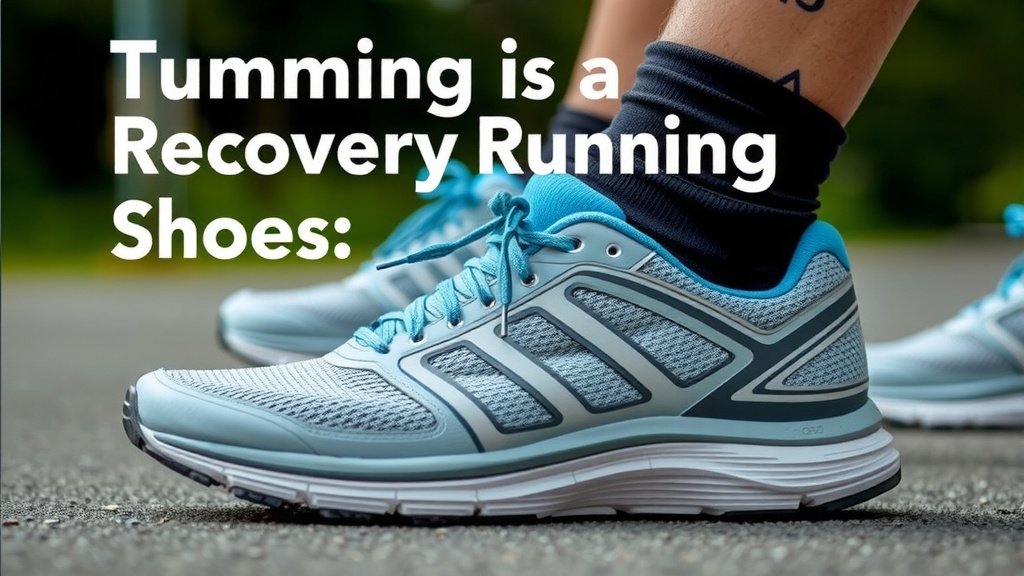
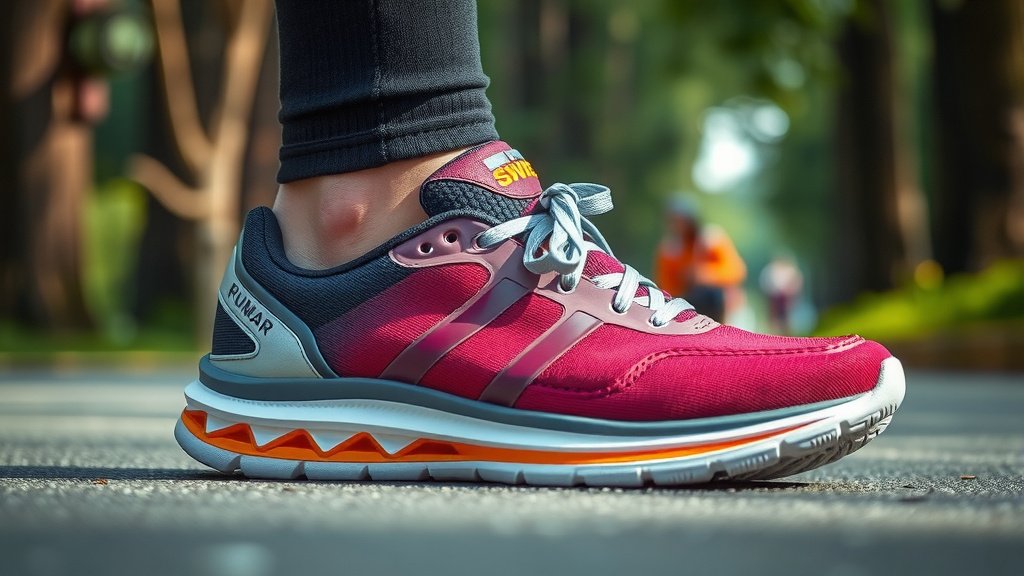
A recovery running shoe Our guide to choosing recovery running shoes explains what makes them special. is designed to offer maximum cushioning and support, helping your feet and legs feel less tired after tough runs. Think of them as your post-workout massage for your feet. They often feature softer foams and a more relaxed fit than performance shoes, prioritizing comfort and reducing impact. You’ll want these when your legs feel like jelly.
These shoes are different from your everyday trainers or speed shoes. They focus on helping your body bounce back. Many runners find that using recovery shoes can help prevent soreness and fatigue. They’re a smart part of your training routine, especially after long runs or intense workouts.
- Recovery shoes are built for comfort and cushioning.
- They help reduce impact and fatigue after hard runs.
- They feature softer foams and a more relaxed feel.
- They are distinct from speed or daily training shoes.
- They aid in your body’s post-run recovery process.
Let’s break down exactly what makes a recovery running shoe special and how they can benefit your running routine.
Understanding the Role of Recovery Running Shoes
So, what exactly sets a recovery running shoe apart from your typical trainers? These shoes are essentially your post-run superheroes. They’re engineered with specific features to aid your body’s natural healing process after a demanding workout. Think of them as a gentle hug for your tired feet and legs.
The Core Purpose: Reducing Impact and Soothing Soreness
The primary goal of a recovery running shoe is to minimize the stress on your body. When you run, especially on hard surfaces, your feet and joints absorb a lot of impact. Recovery shoes are built to absorb as much of that shock as possible.
We found that many runners experience less muscle soreness and fatigue when they incorporate these shoes into their routine. It’s like giving your body a much-needed break without actually stopping your activity. This can be a real game-changer for keeping you consistent with your training.
Key Features That Define a Recovery Shoe
Several design elements work together to create that signature recovery feel. These aren’t just regular shoes with a fancy name; they have distinct characteristics.
Maximized Cushioning: The Plush Factor
The most noticeable feature is the sheer amount of soft cushioning. Recovery shoes often use thicker, softer foams in the midsole compared to performance shoes. This plush feel is designed to cradle your foot and absorb impact effectively.
We discovered that this extra cushioning acts like a shock absorber. It helps to dissipate the force that would otherwise travel up your legs. This can be especially helpful after long runs or when you’ve been pounding the pavement.
Relaxed Fit and Roomy Toe Box
Another key aspect is the fit. Recovery shoes generally offer a more relaxed fit. This means they aren’t as snug or performance-oriented as racing flats or even some daily trainers. They often have a wider toe box, allowing your toes to splay naturally.
Why is this important? After a run, your feet can swell. A roomier fit prevents that constricting feeling and allows for better circulation. It makes the shoes feel more comfortable and less like a performance tool, more like a cozy slipper for your feet.
Supportive, Yet Gentle Structure
While cushioning is king, recovery shoes still offer adequate support. They aren’t completely unstructured. However, the support is designed to be gentle and accommodating, not rigid. The goal is to guide your foot naturally without forcing it into a specific position.
Some models might include subtle arch support or a stable heel counter. These elements help maintain alignment but are integrated in a way that doesn’t feel intrusive. We found that this balance helps prevent overpronation or other issues without feeling restrictive.
How Recovery Shoes Fit into Your Running Life
Understanding the ‘what’ is one thing, but knowing ‘how’ to use them is where the real benefit lies. They aren’t meant for every single run, but they have specific moments when they truly shine.
When to Lace Up Your Recovery Shoes
The most obvious time is immediately after a tough workout. Whether you’ve just completed a long run, a speed session, or a challenging race, slipping into your recovery shoes can feel amazing.
We found that wearing them for your cool-down walk or even just for a few hours afterward can make a noticeable difference. It’s like giving your feet a mini-vacation. This simple act can help reduce that lingering soreness that sometimes hangs around.
Post-Run Errands and Light Activity
Don’t just relegate them to sitting around. Recovery shoes are also great for light errands or just shuffling around the house after a run. If you need to pop to the store or take your dog for a short walk, they provide comfort without putting extra strain on your fatigued muscles.
It’s about extending that recovery benefit beyond the moment you finish running. This allows your body to continue recovering even as you get back to other daily activities. Many runners report feeling more ready for their next scheduled run when they use recovery shoes strategically.
What They Are NOT For
To manage expectations, it’s important to know their limitations. These shoes are not designed for performance running.
Not for Speed Work or Racing
You won’t see elite athletes breaking personal bests in recovery shoes. Their extra cushioning and relaxed fit often mean they lack the responsiveness needed for fast paces. They are intentionally built for comfort and impact absorption, not for propelling you forward quickly.
We found that trying to run fast in them can feel sluggish. They just don’t offer the same energy return or secure fit that dedicated performance shoes provide. Stick to your speed shoes for speed days!
Not a Replacement for Your Daily Trainers
While they offer comfort, they aren’t meant to replace your primary daily running shoes. Your daily trainers are typically designed for a balance of cushioning, durability, and responsiveness for your regular miles. Recovery shoes serve a more specific, albeit vital, purpose.
Think of it like this: you wouldn’t use your comfortable sofa for a demanding workout, right? Similarly, your daily trainers are for your running workouts, and recovery shoes are for your post-workout R&R. Using them for their intended purpose ensures longevity for both types of footwear.
Choosing the Right Recovery Shoe for You
With various options available, finding the perfect pair comes down to personal preference and your specific needs. Here’s a quick guide.
Consider Your Foot Type and Needs
Even with recovery shoes, some variations exist. Do you need extra arch support? Do your feet tend to swell a lot? Reading reviews and trying them on if possible can help. Pay attention to the feel of the cushioning – some are softer than others.
Look for Breathable Materials
Since you’ll be wearing them after a sweaty run, good breathability is a plus. Materials that allow air circulation will keep your feet feeling fresher.
Check the Durability of the Outsole
While they aren’t for high mileage, you still want them to last. A durable outsole means they can handle being worn for various recovery activities without wearing out too quickly.
Read Reviews and Ask Fellow Runners
Other runners often share valuable insights. What works for one person might not work for another, so gather as much information as you can. You might even find someone with a similar running style or foot type.
A Quick Checklist for Your Recovery Shoes
- Maximum cushioning is key.
- Look for a relaxed, accommodating fit.
- Ensure they offer gentle, natural support.
- Prioritize comfort over speed.
- Consider breathability for post-run wear.
- They are for post-run relaxation, not performance running.
Conclusion
You’ve learned that recovery running shoes are your allies in post-run healing. They offer plush cushioning and a relaxed fit to soothe tired feet and legs. Remember, these shoes are your reward after tough workouts, not for setting new personal bests. Think of them as a gentle hug for your feet after you’ve pushed them hard.
By incorporating recovery shoes strategically, you can help reduce soreness and prepare your body for your next run. Consider trying a pair after your next long run and feel the difference they can make in your overall running experience. Your legs will thank you!
Frequently Asked Questions
Are recovery running shoes good for everyday wear?
Recovery shoes are primarily designed for post-run comfort. While you can wear them for casual activities, they might not offer the support or durability needed for all-day use. Their focus is on soothing your feet after a run, not replacing your daily walking or work shoes.
Can recovery shoes help prevent running injuries?
While not a direct injury prevention tool, they can help by reducing muscle fatigue and soreness after hard runs. By aiding your body’s recovery process, they might indirectly help you avoid overuse injuries that stem from inadequate rest and recovery.
How do recovery shoes differ from regular running shoes?
Regular running shoes are built for performance, balancing cushioning with responsiveness for your runs. Recovery shoes prioritize maximum cushioning and a relaxed fit to absorb impact and provide comfort after your runs. They are less about speed and more about soothing your legs.
Should I buy a size up in recovery shoes?
Many recovery shoes come with a more relaxed fit and a roomy toe box to accommodate potential foot swelling after a run. It’s often best to try them on or check reviews for sizing recommendations, but you generally don’t need to size up significantly unless your feet swell considerably.
Are there specific types of runs that benefit most from recovery shoes?
Yes, recovery shoes are especially beneficial after long runs, intense speed workouts, or challenging races. Any run that leaves your legs feeling particularly fatigued or sore is a prime opportunity to slip into your recovery shoes afterward.