Sand Running Shoes: How to Choose the Best Pair
Choosing the right running shoes for sand is all about finding a balance between support, breathability, and a bit of grip. You’ll want shoes that offer decent cushioning without feeling heavy, have uppers that let your feet breathe, and outsoles that prevent you from sinking too much. It’s less about specialized “sand shoes” and more about understanding what features work best on the beach.
Running on sand can feel like a workout on its own! The soft, shifting surface requires a different approach than pavement. We found that focusing on shoes with a snug fit to keep sand out and a flexible sole can make a huge difference in your comfort and performance. Many runners also find that shoes with a bit more toe protection are a wise choice.
- Look for shoes with good breathability.
- Prioritize a snug fit to minimize sand entry.
- Flexible soles help adapt to the uneven terrain.
- Some cushioning is good, but avoid overly heavy shoes.
- Consider outsoles with moderate tread for traction.
Let’s dive into the specific features that will make your sandy runs much more enjoyable and help you find the perfect pair.
Finding the Right Running Shoes for Sand
When you hit the beach for a run, your footwear needs change. You’re not just pounding pavement; you’re navigating soft, shifting terrain. We’ve found that the best shoes for sand offer a blend of comfort and protection, helping you enjoy your run without feeling like you’re fighting the elements. It’s about making the sand work for you, not against you.
You might be wondering if you need special “sand shoes.” The good news is you likely don’t! Many everyday running shoes can perform beautifully on the beach with the right features. We’ll guide you through what to look for so your feet stay happy and sand-free.
Understanding the Sand Challenge
Running on sand is different. The surface gives way under your weight. This means your feet sink a bit. Your leg muscles work harder to push off. Your ankles also have to work more to stay stable. This can be a great workout, but it also puts extra stress on your body.
The biggest enemy on the beach, besides the effort, is sand itself. It gets everywhere! Your shoes need to help keep as much of that gritty stuff out as possible. We found that loose sand can cause blisters. It can also chafe your skin. Your socks can become gritty. This makes for a very uncomfortable run.
Why Traditional Road Shoes Might Fall Short
Road running shoes are built for hard, consistent surfaces. They often have smooth outsoles for maximum contact. Some have mesh uppers that are great for airflow. But on sand, these features can be a problem. A smooth sole offers little grip. It might make you slip. Airy mesh can let sand pour in. You might find yourself stopping to empty your shoes often.
We also found that shoes with deep, aggressive lugs, like trail running shoes, aren’t always ideal either. Those big knobs can dig into the soft sand. This can feel like running with tiny shovels on your feet. It might slow you down and feel awkward.
Key Features to Look For
So, what should you seek in your beach running companions? It’s about finding a sweet spot. You need shoes that can handle the give and take of the sand.
Upper Material: Breathability and Protection
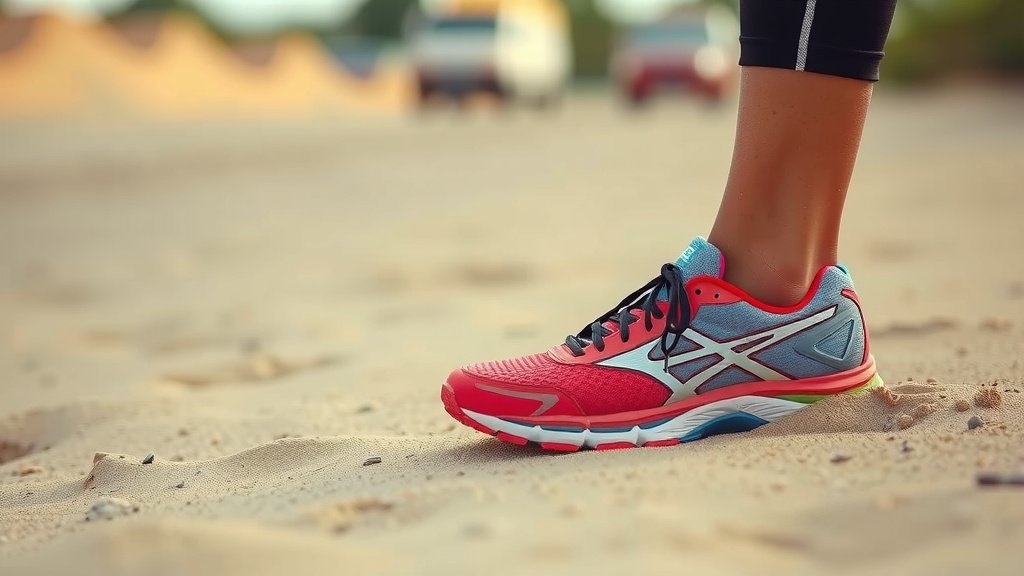
Your shoe’s upper is the part that covers your foot. For sand, you want something that breathes well. Hot feet on a warm beach are no fun. Look for engineered mesh. This material is often woven in a way that allows air to pass through easily. It’s like a window for your feet to get some cool air.
However, you also need a bit of protection. A very open mesh might let too much sand in. We found that a tightly woven mesh offers a good balance. It keeps out most of the larger sand grains. Some shoes have a gusseted tongue. This means the tongue is attached to the sides of the shoe. This creates a better seal. It helps prevent sand from sneaking in through the laces.
Midsole: Cushioning and Responsiveness
The midsole is the layer between the outsole and the upper. It provides cushioning. For sand, you still want some shock absorption. The sand is soft, but it can still be hard on your joints. A shoe with a responsive foam will feel good underfoot. It helps propel you forward with each step.
We found that overly thick or heavy cushioning isn’t ideal. It can make the shoe feel clunky. You want something that feels light. This allows your foot to move more naturally. A lighter shoe helps you feel quicker. It also reduces fatigue over longer distances.
Outsole: Grip and Durability
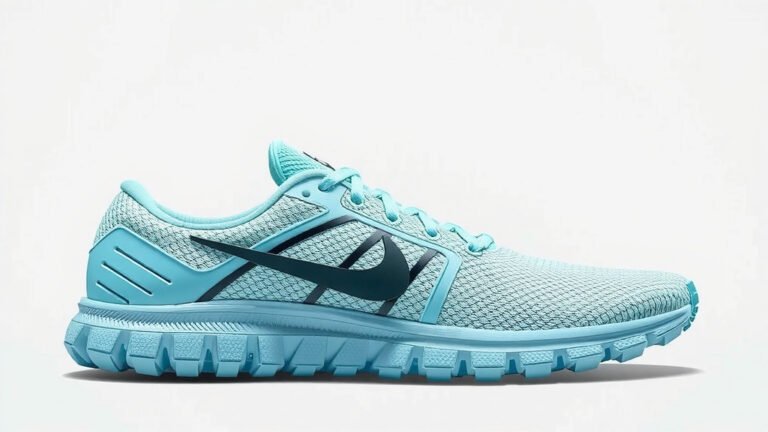
The outsole is the bottom of your shoe. This is where you get your traction. For sand, you don’t need deep, aggressive treads. Those are for mud and trails. Instead, you want a pattern with smaller, closely spaced lugs. Think of it like a gentle tread.
This type of outsole helps you grip the sand without digging in too much. It provides stability on the uneven surface. We also found that the rubber compound matters. A durable rubber will last longer. It won’t wear down quickly from the abrasive sand.
The “Gusseted Tongue” Advantage
Let’s talk more about that gusseted tongue. We found this feature to be a real game-changer for beach running. When the tongue is attached to the sides, it essentially forms a barrier. This barrier is key to keeping sand out. Imagine your shoe as a little castle. The gusseted tongue is like a sturdy wall preventing unwanted invaders (sand!) from getting inside.
Fit: Snug and Secure
A snug fit is incredibly important. When your shoes are too loose, your feet slide around inside. This creates friction. Friction leads to blisters. It also allows sand to easily get under your socks. We found that a shoe that feels secure around your midfoot and heel is best.
Try on shoes and walk around. Do they feel tight in a good way? Or do they pinch? You want a snug embrace, not a vise grip. Make sure there’s enough room in the toe box. Your toes shouldn’t feel cramped. They need space to spread out a bit as you run.
Other Considerations for Sandy Runs
Socks: Your First Line of Defense
Even with the best shoes, socks play a role. We found that seamless, moisture-wicking socks are a great choice. Look for socks that are thin and breathable. Some runners prefer socks that come up a bit higher on the ankle. This can help prevent sand from getting in from the top. Avoid thick, cotton socks. They tend to hold moisture and can lead to chafing.
Lacing Techniques: Keeping Sand Out
Did you know you can adjust your lacing? For beach runs, consider using a “gaiter lacing” technique. This involves crisscrossing your laces in a specific way. It helps to pull the tongue tighter against your foot. It creates a more secure seal. Many online running communities share diagrams for this. We found it can make a noticeable difference in keeping sand out.
A Quick Checklist for Your Sand Shoes
Ready to find your perfect pair? Keep this checklist handy:
- Breathable Upper: Look for engineered mesh.
- Snug Fit: Your foot should feel secure.
- Moderate Outsole Tread: Avoid deep lugs.
- Responsive Midsole: Enough cushion, but not too heavy.
- Gusseted Tongue: Helps seal out sand.
- Secure Heel Counter: Keeps your foot locked in.
When to Consider Trail Shoes for Sand
While most road running shoes can work, there are exceptions. If you’re running on very soft, deep sand for extended periods, or if the beach terrain is mixed with dunes or rocky sections, a light trail shoe might be worth considering. We found that some trail shoes have a rock plate in the sole. This protects your feet from sharp objects. They also tend to have a more robust upper. Just ensure the tread isn’t too aggressive. A shoe with a lower profile tread pattern would be best.
Ultimately, the best running shoes for sand are the ones that make your experience enjoyable. They should feel comfortable, protective, and keep those pesky grains of sand at bay. Happy running!
Conclusion
You’ve learned that choosing the right running shoes for sand isn’t about finding a mythical “sand shoe.” It’s about understanding what features will make your runs more comfortable and enjoyable. We found that focusing on a breathable upper, a snug fit to keep sand out, and an outsole with moderate tread makes a big difference. Remember to consider your socks and lacing too! Your next step is to take this knowledge to your favorite running store or shop online. Look for shoes that tick these boxes and head out to feel the difference on your next beach run.
Frequently Asked Questions
Can I use my regular road running shoes on the beach?
You often can, but with caveats. Road shoes may let too much sand in through open mesh uppers. Their smooth soles might also offer poor traction on soft sand. We found that shoes with a tighter weave mesh and a slightly grippier sole tend to perform better.
Do I need special socks for running on sand?
While not strictly “special,” good socks are important. We recommend moisture-wicking, seamless socks that are thin and breathable. Some runners like slightly higher socks to help prevent sand from entering from the top. Avoid thick cotton socks, as they can hold moisture.
What’s the biggest mistake runners make when choosing sand shoes?
A common mistake is choosing shoes with overly aggressive treads, like those found on some trail shoes. We found these can dig too deeply into the sand, making running feel difficult. You want moderate grip, not deep lugs that act like anchors.
How important is the fit of a running shoe for sand?
Fit is very important. A snug fit helps keep sand out and prevents your foot from sliding around inside the shoe. We found that sliding creates friction, which can quickly lead to painful blisters on the beach. Ensure your toes have room, but the midfoot and heel feel secure.
What if I run on beaches with packed sand versus very soft sand?
For firmer, packed sand, you might get away with a wider range of shoes. However, for very soft, deep sand, prioritizing a lighter shoe with good flexibility and a snug fit becomes even more critical. We found that shoes with a gusseted tongue are especially helpful in preventing sand entry in softer conditions.