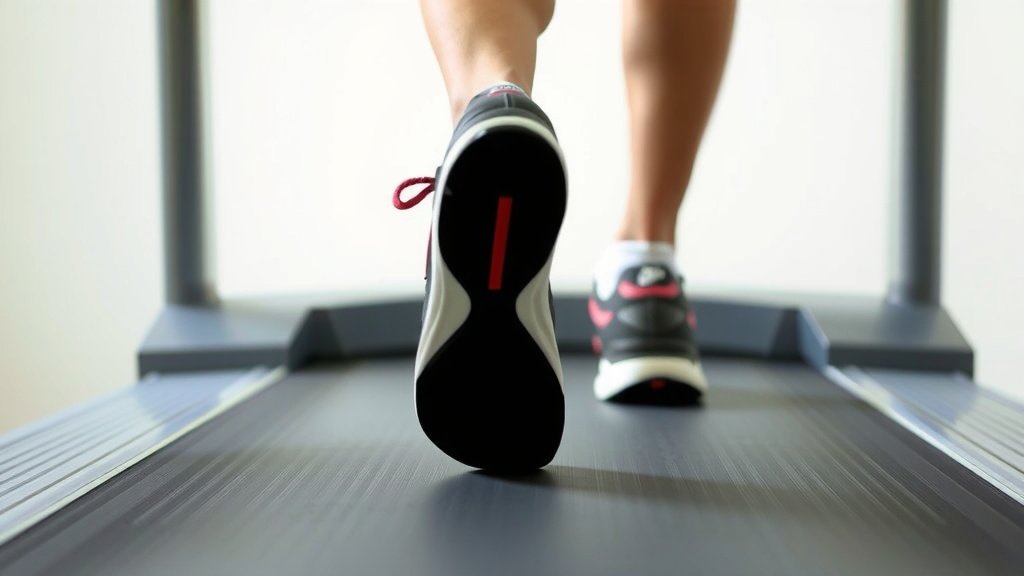
Road Shoes on Treadmill: Are They Okay for Your Run
Yes, you can often use your regular road running shoes on a treadmill. They provide good cushioning and support for your runs. Just be aware that they might wear out slightly faster on the treadmill’s abrasive surface.
While road shoes work, treadmill-specific shoes offer some unique benefits. They’re often lighter and more breathable. Road shoes might feel a little warm on a treadmill. We found that good ventilation is key for comfort during longer treadmill sessions.
- Road shoes are generally okay for treadmill use.
- They offer familiar cushioning and support.
- Treadmill shoes can be lighter and more breathable.
- Consider ventilation for longer runs.
Let’s get into the details so you can make the best choice for your treadmill workouts.
Using Your Road Running Shoes on a Treadmill
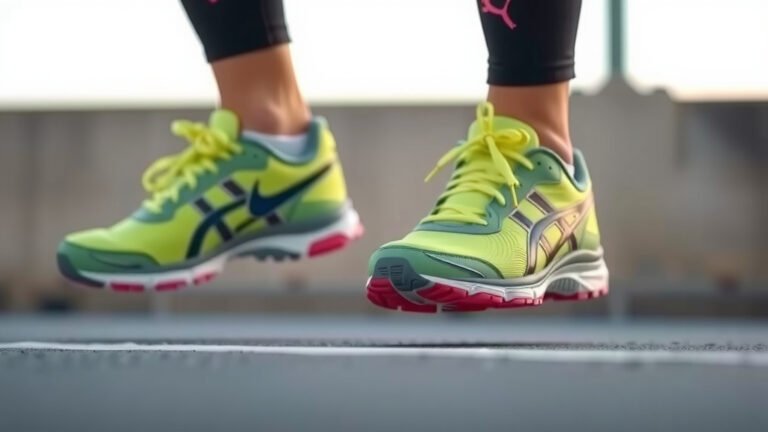
So, you’re wondering if those trusty road running shoes you love can join you on the treadmill. The good news is, for most runners, the answer is a resounding yes. Your favorite pair of road shoes will likely perform quite well on a treadmill. They offer the familiar cushioning and support you’ve come to rely on. This familiarity can make your treadmill runs feel more comfortable and predictable.
Think of your road shoes as your reliable companions. They’re designed to handle pavement, concrete, and other hard surfaces. A treadmill belt, while different, presents a similar kind of impact. So, your shoes are already built to absorb that shock. Many runners find they don’t need special shoes just for the treadmill. Your existing pair is often perfectly adequate.
The Comfort Factor of Road Shoes
The biggest advantage of using road shoes on a treadmill is comfort. You already know how they feel. There are no surprises. This means you can focus on your run, not on any discomfort from new shoes. We found that a shoe’s familiar fit and feel can greatly enhance your treadmill workout experience. It’s like wearing your favorite pair of jeans – you know exactly what to expect.
Road shoes are generally built with good cushioning technology. Brands invest heavily in making them comfortable for miles on end. This cushioning is just as beneficial on a treadmill. It helps absorb the impact from each stride. This can reduce stress on your joints, knees, and hips. It’s a solid foundation for any run, whether outdoors or indoors.
Potential Downsides and Considerations
While road shoes are generally fine, there are a few things to keep in mind. One common observation is that road shoes might wear out a bit faster on a treadmill. The treadmill belt can be a bit more abrasive than you might think. It’s a different kind of friction. This means the outsole, the bottom part of your shoe, might show wear sooner.
Another point of consideration is ventilation. Treadmills are indoors, often in spaces without a lot of natural airflow. Road running shoes, especially those designed for cooler weather or wet conditions, might not be as breathable. You might find your feet getting warmer than usual. This can lead to discomfort or even blisters on longer runs. We’ve heard from many runners that good ventilation is key for treadmill comfort.
Heat Buildup and Breathability
Some road shoes have more substantial uppers. These can trap heat. Imagine wearing a warm sweater on a sunny day – it’s not ideal. For treadmill running, especially during longer sessions, looking for shoes with mesh uppers can make a big difference. More mesh means more airflow. This helps keep your feet cooler and drier.
We found that many treadmill-specific shoes prioritize breathability. They often use lighter, more porous materials. This allows air to circulate freely. If you experience excessively hot feet during your treadmill runs, your road shoes might be contributing to it. It’s something to watch out for. A quick way to check is to feel how warm your feet get after a treadmill run compared to an outdoor run.
Weight and Responsiveness
Road running shoes can sometimes be a bit heavier. This is often due to the extra cushioning and durable materials needed for outdoor surfaces. On a treadmill, you might notice this slight extra weight. It’s not a dealbreaker, but some runners prefer a lighter feel for their indoor workouts. Lighter shoes can sometimes feel more responsive. This means they might give you a bit more spring in your step.
Treadmill shoes are often designed to be lighter. This can make your stride feel a bit quicker. It’s a subtle difference, but for some, it’s noticeable. If you’re someone who likes to feel light on your feet, you might find a dedicated treadmill shoe appealing. However, for the average runner, the weight difference in road shoes is unlikely to be a major issue.
When to Stick with Road Shoes
If you’re just starting out with treadmill running, your existing road shoes are perfectly fine. Don’t feel pressured to buy new gear right away. You should feel comfortable and supported. Your road shoes provide that. If you’re doing shorter runs, say 30 minutes or less, the heat and weight differences are usually minimal.
We also found that if you’re training for a race and your road shoes are your designated race shoes, you might want to keep using them for your treadmill runs. This helps you get accustomed to their feel during your longest training sessions. It’s about consistency. Consistency can be really important in training. So, if they work, they work!
When to Consider Treadmill-Specific Shoes
However, if you’re spending a lot of time on the treadmill – think daily long runs or high-mileage training – you might benefit from a dedicated treadmill shoe. If you consistently find your feet are overheating, or if your road shoes are wearing out unusually fast, it’s a good sign to explore other options. Many experts suggest prioritizing breathability for indoor running (Cleveland Clinic).
Treadmill-specific shoes often have a more minimalist design. They focus on breathability and a lighter weight. This can make a noticeable difference in your comfort during long, indoor sessions. It’s like choosing the right tool for the job. For long hours on the machine, a shoe built for that environment can be a good investment. It’s about maximizing your comfort and performance.
| Feature | Road Running Shoes | Treadmill-Specific Shoes |
|---|---|---|
| Cushioning | Generally good, designed for varied outdoor surfaces | Often good, sometimes less emphasis for lighter feel |
| Breathability | Varies, can be less breathable in some models | Often prioritized, lighter and more mesh materials |
| Weight | Can be slightly heavier | Typically lighter |
| Durability on Treadmill | May wear out slightly faster | Designed for indoor surfaces, often durable |
| Familiarity | High, you know how they feel | May require a short break-in period |
Key Takeaways for Your Treadmill Runs
Here’s a quick rundown of what we’ve discussed. Making the right choice ensures your treadmill runs are as enjoyable and effective as possible. It’s all about listening to your body and understanding your needs.
- Your current road running shoes are likely fine for the treadmill.
- Prioritize comfort and familiar support.
- Watch out for overheating; breathability is key indoors.
- Road shoes might wear down a bit quicker on the belt.
- Consider lighter, more breathable shoes for frequent or long treadmill use.
- Don’t feel you *need* special shoes unless you experience issues.
Conclusion
You’ve learned that your trusty road running shoes are generally a great choice for treadmill workouts. They provide the familiar cushioning and support you rely on. For shorter runs or when you’re just starting out, they’re perfectly adequate. Just keep an eye on how your feet feel; overheating and faster wear are things to watch for. If you’re a frequent treadmill user or find yourself getting too warm, you might benefit from exploring shoes designed for indoor use. Ultimately, the best shoe is the one that keeps you comfortable and injury-free, whether you’re hitting the pavement or the belt. So, lace up what feels best and enjoy your run!
Frequently Asked Questions
Will using my road shoes on a treadmill make them wear out faster?
Yes, your road running shoes might wear out a bit more quickly on a treadmill. The treadmill belt’s surface can be more abrasive than you might expect. This means the outsole, the part that touches the ground, could show wear sooner than it would from outdoor running.
Are treadmill shoes significantly more breathable than road shoes?
Many treadmill-specific shoes are designed with superior breathability in mind. They often feature lighter mesh uppers that allow for better airflow. While some road shoes are also breathable, others might trap more heat, which can become noticeable during indoor runs.
Can I use my favorite cushioned road shoes for long treadmill runs?
Absolutely. If your favorite road shoes offer excellent cushioning, they can be great for long treadmill runs. The added shock absorption is beneficial indoors, too. Just be mindful of potential overheating if the shoe isn’t very breathable.
Should I buy separate shoes if I run on the treadmill more than outdoors?
If you find yourself spending significantly more time on the treadmill, especially for long or frequent runs, it might be worth considering dedicated treadmill shoes. They often offer better ventilation and a lighter feel, which can enhance comfort during extended indoor sessions.
Is there a difference in weight between road and treadmill shoes?
Road running shoes can sometimes be a bit heavier due to more robust cushioning and durable materials. Treadmill-specific shoes often prioritize a lighter weight for a more responsive feel. For most runners, this difference is subtle, but those seeking a lighter stride might notice it.