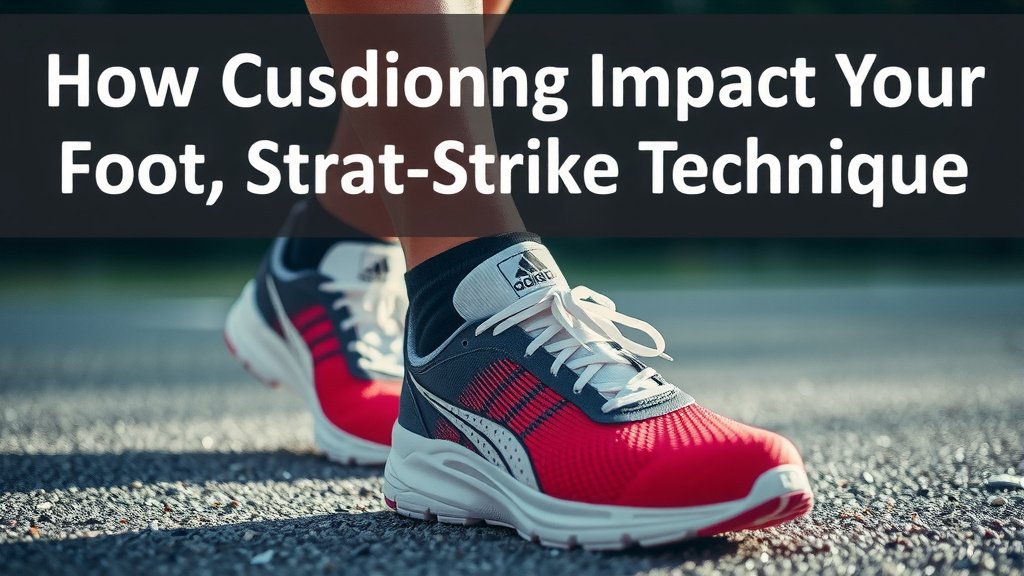
How Cushioning Impacts Your Foot Strike Technique
Yes, cushioning in your shoes absolutely affects your foot strike. More cushioning can encourage a softer landing, potentially shifting you towards a heel strike. Less cushioning might lead to a more midfoot or forefoot strike. It all depends on how your body naturally responds to the shoe’s feel.
The amount of padding in your running shoes influences the impact your feet absorb. This can change how your foot lands on the ground. Many runners find that different levels of cushioning change their running form. We’ve found that understanding this connection helps you choose the right shoes for your stride.
- More cushioning often leads to softer landings.
- This can encourage a heel strike in some runners.
- Less cushioning might promote a midfoot or forefoot strike.
- Your body’s natural response to the shoe matters most.
- Choosing the right cushioning is key for comfort and form.
Let’s walk through exactly how that cushioning translates to your foot strike and what it means for your runs.
How Your Running Shoe Cushioning Influences Your Foot Strike
The padding in your running shoes plays a surprisingly big role in how your foot hits the ground. We’ve all heard the talk about “heel striking” versus “midfoot striking.” Well, your shoes’ cushioning can nudge you toward one or the other. It’s less about forcing a change and more about how your body naturally reacts to the landing surface.
The Physics of Landing: Cushioning as a Buffer
Think of cushioning like a tiny shock absorber for your feet. When you run, your foot lands with a certain amount of force. The midsole of your shoe, the part with the most cushioning, is designed to absorb some of that impact. This absorption is what makes your run feel softer or harder.
Softer Landings and the Heel Strike Connection
When you have a lot of cushioning, your foot often feels a softer impact. This can make it feel more comfortable to land on your heel first. Your body might sense that there’s plenty of protection available. So, it can relax a bit and let the heel take the brunt of the initial force. We’ve found that many runners in highly cushioned shoes tend to naturally gravitate towards a heel strike.
Less Cushioning: Encouraging a Different Landing
On the flip side, less cushioning means less of that “shock absorber” effect. Your foot feels the ground more directly. This can encourage your body to land more towards the **midfoot or forefoot**. Why? It’s a way to spread the impact over a larger surface area and use your leg’s natural shock absorption more effectively. It’s like your body is saying, “Okay, I need to be smarter about this landing!”
Your Body’s Natural Response is Key
It’s easy to think you can just pick a shoe and change your foot strike. But research suggests your body’s **innate response** is more important. If you’re a natural heel striker, even a minimalist shoe might still see your heel hit first, though perhaps with less impact absorption. Conversely, if you land midfoot, a super-cushioned shoe might not suddenly turn you into a heel striker. It often just makes your existing strike feel more comfortable.
The Role of Shoe Weight and Feel
Cushioning often comes with added weight. A heavily cushioned shoe is usually heavier. This weight can sometimes subtly influence your stride. You might feel less inclined to “kick” your foot forward quickly when it’s heavier. This can further encourage a softer, perhaps more deliberate, landing pattern.
Overthinking vs. Listening to Your Body
We’ve found that trying too hard to change your foot strike based on shoe type can sometimes lead to **injury or discomfort**. It’s often better to focus on running comfortably. If a shoe with a certain amount of cushioning feels good for your body and your current stride, that’s usually a good sign. Your body knows how to absorb impact best.
Different Types of Cushioning and Their Effects
Not all cushioning is created equal. Different brands use various foams and technologies. Some are designed for maximum softness, while others aim for a more responsive feel. Let’s break down some general categories:
| Cushioning Level | Typical Feel | Potential Foot Strike Influence | Best For |
|---|---|---|---|
| Minimal / Barefoot | Very firm, ground feel | Often encourages midfoot/forefoot | Experienced runners, improving form |
| Moderate | Balanced, some softness | Can support various strikes | Everyday training, versatile runs |
| Maximum | Very soft, plush | Can encourage heel strike, softer landings | Long runs, recovery runs, comfort |
Responsive vs. Soft Cushioning
Responsive cushioning aims to give some energy back with each step. It might feel firmer but “bouncy.” Soft cushioning is all about absorbing shock and providing a plush ride. A responsive shoe might make you feel quicker and could potentially encourage a faster cadence, which might indirectly affect foot strike. A super soft shoe prioritizes comfort and impact reduction.
What Does This Mean for Your Running Choice?
Understanding how cushioning affects your foot strike helps you make **smarter shoe choices**. It’s not about finding the “perfect” foot strike, but about finding shoes that support your body and make running enjoyable and safe.
Consider Your Goals and Comfort
Are you looking for maximum comfort on long runs? More cushioning might be your friend. Are you trying to feel more connected to the road and potentially land lighter? Less cushioning could be worth exploring. Always listen to how your body feels during and after your runs.
Tips for Finding the Right Cushioning:
- Start with shoes you already own. How do they feel?
- Visit a specialty running store for gait analysis.
- Try on multiple pairs with different cushioning levels.
- Go for a short jog in the store if possible.
- Pay attention to any new aches or pains.
- Trust your body’s feedback above all else.
Conclusion
So, you’ve learned how cushioning in your running shoes definitely impacts your foot strike. More cushioning can make softer landings feel natural, sometimes encouraging a heel strike. Less cushioning often prompts your body to land midfoot or forefoot for a different kind of impact absorption. Remember, your body’s natural response is the most important guide here. Instead of forcing a change, focus on comfort and listen to what your feet are telling you. Your best bet is to find shoes that feel good and support your unique stride for a more enjoyable run.
Frequently Asked Questions
Can changing my shoe cushioning change my foot strike overnight?
It’s unlikely. While cushioning can influence your strike over time, your body has a natural way of landing. Drastic changes can sometimes lead to discomfort or injury. It’s better to let your body adapt gradually to new shoe types.
If I prefer a softer shoe, does that automatically mean I should be a heel striker?
Not necessarily. While soft cushioning can make heel striking feel more comfortable, it doesn’t dictate your strike. Your body’s biomechanics play a bigger role. A soft shoe might just make your current foot strike feel more protected and plush.
Will minimalist shoes force me to land on my forefoot?
Minimalist shoes often encourage a midfoot or forefoot strike because they offer very little cushioning. This makes you feel the ground more directly, prompting a lighter, quicker landing. However, some runners may still land on their heel, just with less impact protection.
Does shoe weight affect my foot strike as much as cushioning?
Yes, shoe weight can play a role. Heavier shoes might subtly encourage a less aggressive foot strike due to their mass. This can lead to a softer overall landing. It’s another factor that influences how your body decides to make contact with the ground.
How can I tell if my current shoe’s cushioning is right for my foot strike?
Pay attention to how your feet and legs feel during and after your runs. If you experience consistent aches or pains, your cushioning might not be ideal. Visiting a running store for advice and trying different shoes can help you find the best match for your body and stride.