Soothe Ball of Foot Pain Running: Simple Fixes
To relieve pressure on the ball of your foot while running, try focusing on your forefoot strike and wearing supportive running shoes. Shifting your landing to be more on your midfoot or forefoot can distribute impact differently. This helps prevent a concentrated pressure point under the ball of your foot.
This common runner’s ache, often called metatarsalgia, can really slow you down. Many runners experience it due to various factors, including shoe choice and running form. We found that addressing these can make a big difference in your comfort.
- Adjust your foot strike.
- Choose the right running shoes.
- Strengthen your foot muscles.
- Consider orthotics if needed.
Let’s walk through exactly how you can ease that pressure so you can get back to enjoying your runs.
Easing Pressure on Your Ball of Foot While Running
Feeling that sharp, aching pressure on the ball of your foot during a run? You’re not alone. This common discomfort can really put a damper on your miles. Fortunately, there are several strategies you can use to ease this pressure and get back to pain-free running. We’ve found that focusing on your form and your gear makes a big difference.
Understanding the Cause of Ball-of-Foot Pain
Before we dive into solutions, it helps to understand why this pain happens. The ball of your foot, also known as the metatarsal area, bears a lot of weight during the push-off phase of your stride. When this area is overstressed, you can experience pain and inflammation. Many factors can contribute to this, including your running mechanics, the shoes you wear, and even your foot’s natural structure.
Common Culprits Behind Metatarsal Pain
We’ve seen that a few things tend to show up repeatedly when runners report this issue. One of the biggest offenders is often foot strike. Landing too hard on your forefoot or having a very rigid toe-off can concentrate impact in that one spot. Think of it like repeatedly tapping one specific point on a drum; eventually, it’s going to feel the strain.
Another major factor is your running shoes. Shoes that lack adequate cushioning or support can’t absorb shock effectively. This leaves your metatarsals to handle the brunt of the impact. We’ve found that shoes with a worn-out midsole can also fail to provide the necessary support, even if they look okay on the outside. Your foot needs a good landing pad, and your shoes are that pad.
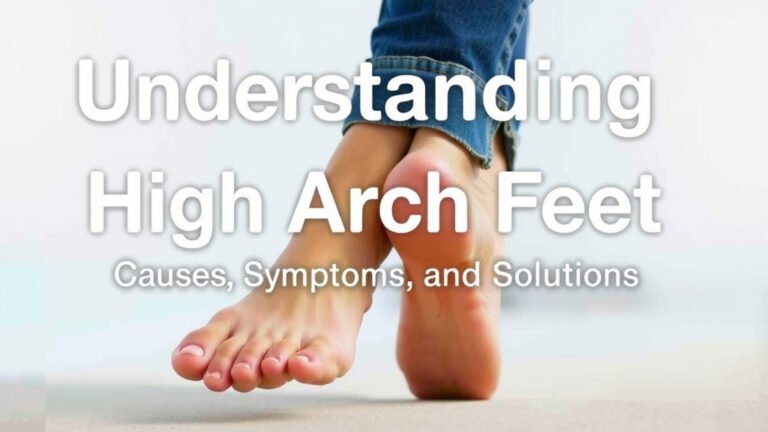
Sometimes, it’s a matter of foot anatomy. High arches can mean less of your foot touches the ground, leading to more pressure on the forefoot. Conversely, very flat feet can also cause issues with how your weight is distributed. Weak intrinsic foot muscles can also play a role, as they are less able to support the arch and distribute pressure naturally (Harvard Health Publishing).
Finally, overtraining or sudden increases in mileage can overload your feet. Your body, including your feet, needs time to adapt to increased demands. Pushing too hard, too fast is a classic way to invite pain. We’ve found that gradual progression is key to staying injury-free.
Adjusting Your Running Form for Relief
Changing how you run might sound daunting, but even small adjustments can significantly reduce pressure on the ball of your foot. Your goal is to distribute the impact more evenly across your foot.
The Power of a Midfoot or Forefoot Strike
Many runners find relief by shifting their foot strike. Instead of landing heavily on your heel, aim to land more on your midfoot or forefoot. Imagine gently placing your foot down rather than stomping. This allows your arch and calf muscles to absorb some of the shock.
Think of your stride like a spring. A midfoot strike allows the spring (your foot and leg) to compress naturally and then push off efficiently. We’ve seen that it takes practice, but focusing on a softer landing can make a world of difference. Try to increase your cadence, or steps per minute, too. A higher cadence often leads to a lighter, quicker foot strike.
Strengthening Your Feet and Ankles
Stronger foot muscles can better support your arches and absorb shock. This means less direct pressure on your metatarsals. Simple exercises can build this strength.
Here are a few exercises we recommend:
- Toe Curls: Sit with your feet flat on the floor. Curl your toes as if you’re trying to grab a towel. Hold for a few seconds, then relax. Repeat 10-15 times.
- Heel Raises: Stand with your feet hip-width apart. Slowly rise up onto the balls of your feet, holding briefly at the top. Lower yourself back down. Do 2-3 sets of 15-20 repetitions.
- Marble Pickups: Place a handful of marbles on the floor. Use your toes to pick them up one by one and place them in a cup. This really works those smaller foot muscles.
We found that incorporating these exercises into your routine a few times a week can build resilience in your feet.
Choosing the Right Running Shoes
Your running shoes are your primary line of defense against impact. Wearing the wrong pair can set you up for pain.
What to Look for in Supportive Footwear
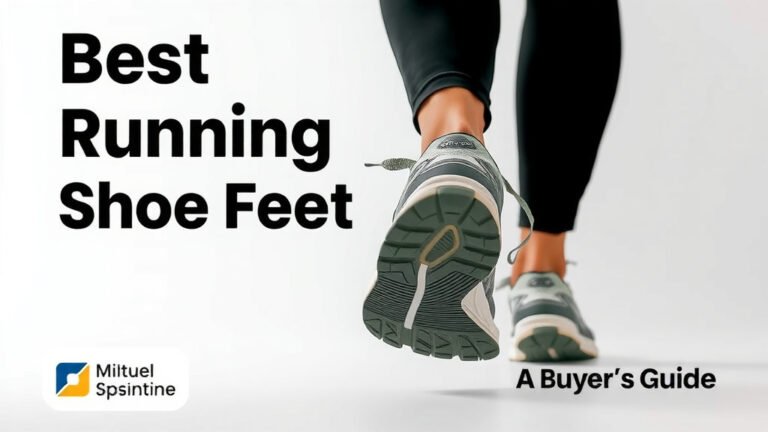
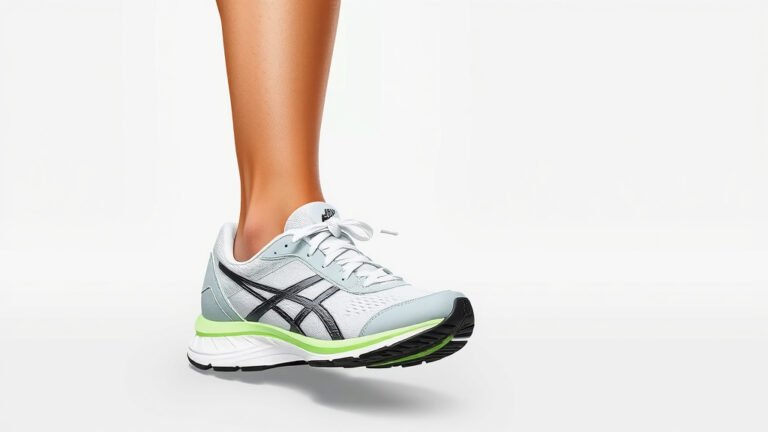
When selecting running shoes, prioritize those with good cushioning, especially in the forefoot. Shoes designed for neutral runners or those with specific cushioning technologies can be excellent choices. Look for shoes that feel comfortable immediately; never assume you’ll “break them in.”
Consider the shoe’s flexibility. A shoe that is too stiff might force your foot into an unnatural position, increasing pressure. However, a shoe that is too flexible might not offer enough support. We found that a shoe with a good balance of cushioning and flexibility is often ideal.
It’s also worth thinking about the drop of the shoe, which is the difference in height between the heel and the forefoot. A lower drop can sometimes encourage a more midfoot strike, but this isn’t always the case for everyone. Your best bet is to try on several pairs.
When to Replace Your Running Shoes
Worn-out shoes are a major culprit for increased foot pain. Most running shoes last between 300 to 500 miles. Pay attention to the wear patterns on your outsole and the feel of the midsole. If the cushioning feels flat or you start experiencing new aches, it’s likely time for a new pair (American Academy of Podiatric Sports Medicine).
Exploring Additional Support Options
If form adjustments and new shoes aren’t enough, there are other tools that can help.
The Role of Orthotics and Inserts
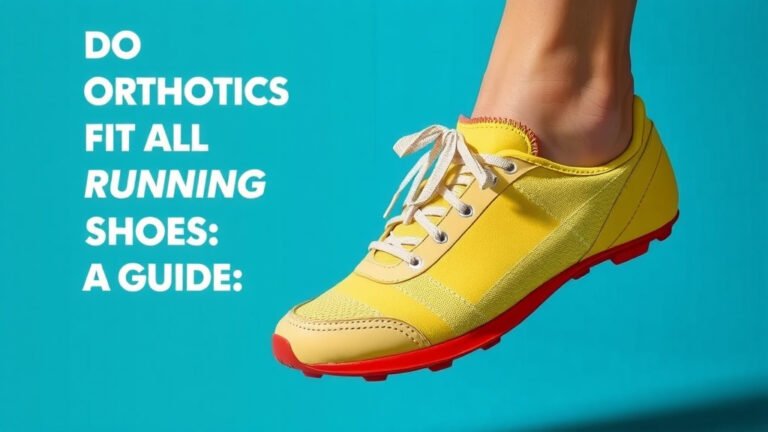
Custom or over-the-counter orthotics can provide targeted support to your arches and help realign your foot. This can redistribute pressure more evenly, taking the strain off the ball of your foot. We’ve found that especially for runners with significant biomechanical issues, orthotics can be a game-changer.
For less severe issues, supportive insoles might be sufficient. These can add extra cushioning and arch support to your existing shoes. It’s always a good idea to consult with a podiatrist or physical therapist for personalized recommendations.
Taping Techniques for Support
Some runners find temporary relief using athletic taping techniques. Taping can help support the arch or limit excessive foot motion during a run. While not a long-term solution, it can be helpful for managing pain during specific workouts or races.
Managing Inflammation and Pain
If you’re experiencing active pain and inflammation, rest is important. Applying ice to the affected area can help reduce swelling. Over-the-counter anti-inflammatory medications, like ibuprofen, can also provide temporary relief, but it’s always best to consult your doctor before starting any new medication.
Here’s a quick checklist to get you started on easing that ball-of-foot pressure:
- Assess your current running shoes for wear and tear.
- Try landing softer on your midfoot instead of your heel.
- Incorporate daily foot-strengthening exercises.
- Experiment with different types of running shoes.
- Consider supportive insoles or consult a professional.
- Listen to your body and allow for adequate rest.
Conclusion
You’ve got the power to ease that nagging pressure on the ball of your foot. By making smart adjustments to your running form, like a softer midfoot strike, and choosing supportive shoes, you can significantly improve your comfort. Don’t forget the simple yet effective foot-strengthening exercises we discussed. These steps work together to distribute impact and build resilience.
Your next step is to assess your current running shoes and consciously practice that lighter landing on your next run. Pay attention to how your feet feel, and don’t hesitate to explore supportive insoles if needed. Getting back to pain-free miles is achievable!
Frequently Asked Questions
How quickly can I expect to feel relief from ball-of-foot pain?
Relief can vary depending on the cause and severity of your pain. Some runners notice improvement within a few runs after adjusting their form or shoes. Others may take a few weeks of consistent practice and strengthening to experience significant comfort.
Can I run with metatarsalgia, or should I rest completely?
For mild cases, you can often continue running by modifying your intensity and duration, focusing on the strategies discussed. If pain is severe, complete rest for a few days and then gradually reintroducing running is recommended. Listen closely to your body.
What’s the difference between over-the-counter insoles and custom orthotics?
Over-the-counter insoles offer general cushioning and arch support that can help many runners. Custom orthotics are molded specifically to your feet and address unique biomechanical issues for more targeted correction and pressure relief.
Will stretching help relieve pressure on the ball of my foot?
While strengthening is key, some gentle calf and foot stretches can help improve flexibility and reduce muscle tension that might contribute to pressure. Focus on stretches that don’t directly aggravate the ball of your foot.
Is it okay to wear my regular walking shoes for a short run?
It’s generally not recommended. Walking shoes have different support and cushioning than running shoes, which are designed to handle the specific impact of running. Using the wrong shoes can actually increase your risk of injury and pain.