What Is Forefoot Cushioning in Running Shoes
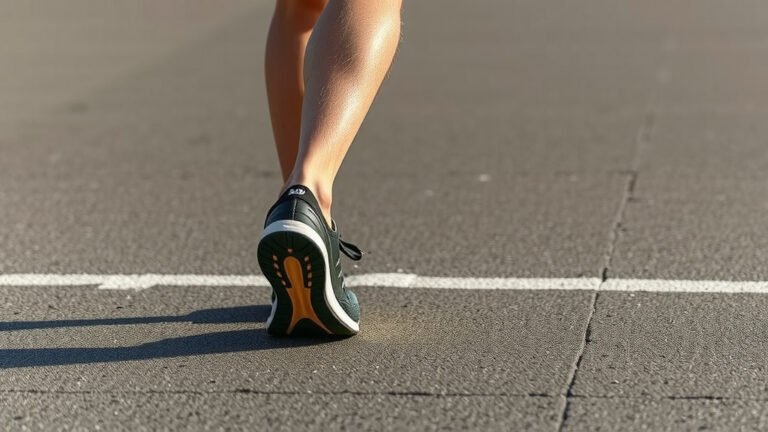
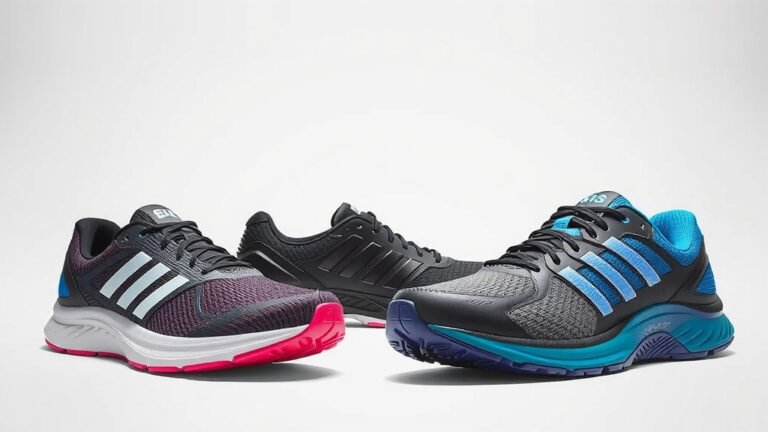
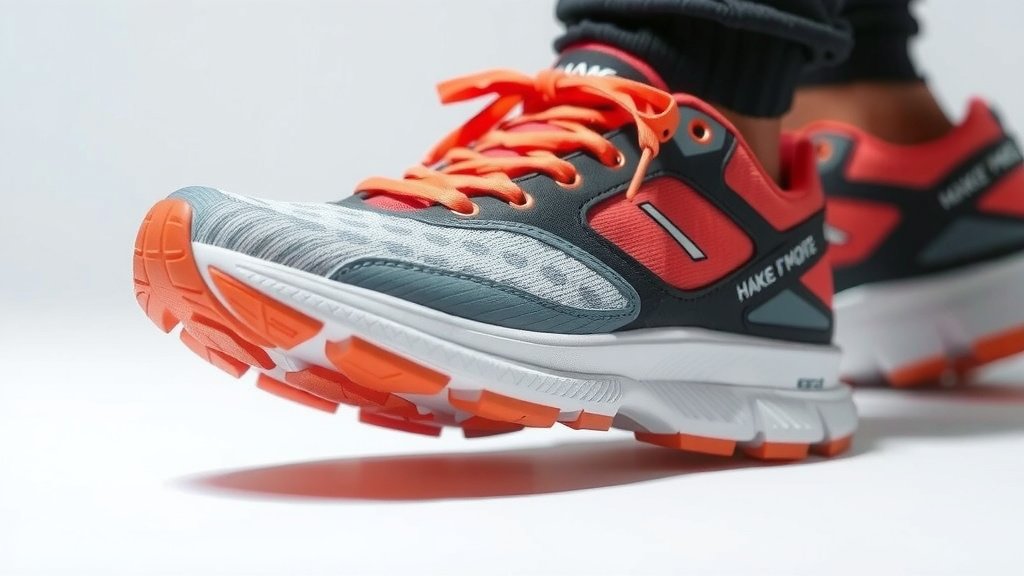
Forefoot cushioning is a special layer of padding in the front part of your shoe. It’s designed to absorb shock and provide extra comfort when your foot strikes the ground. This helps protect your toes and the ball of your foot from impact.
Think of it as a tiny, built-in pillow for the front of your feet. Many athletic shoes, especially running shoes, include this feature. It can make a big difference in how your feet feel, especially during activities that involve a lot of impact, like running or jumping. Getting it right means happier feet and potentially fewer aches.
- Forefoot cushioning is padding in the front of your shoe.
- It absorbs shock for your toes and the ball of your foot.
- Common in running shoes and other athletic footwear.
- Aims to make your feet feel more comfortable during impact.
- Helps protect against discomfort from hard landings.
Ready to learn more about what makes this padding so important for your stride? Let’s break down forefoot cushioning and what it means for your feet.
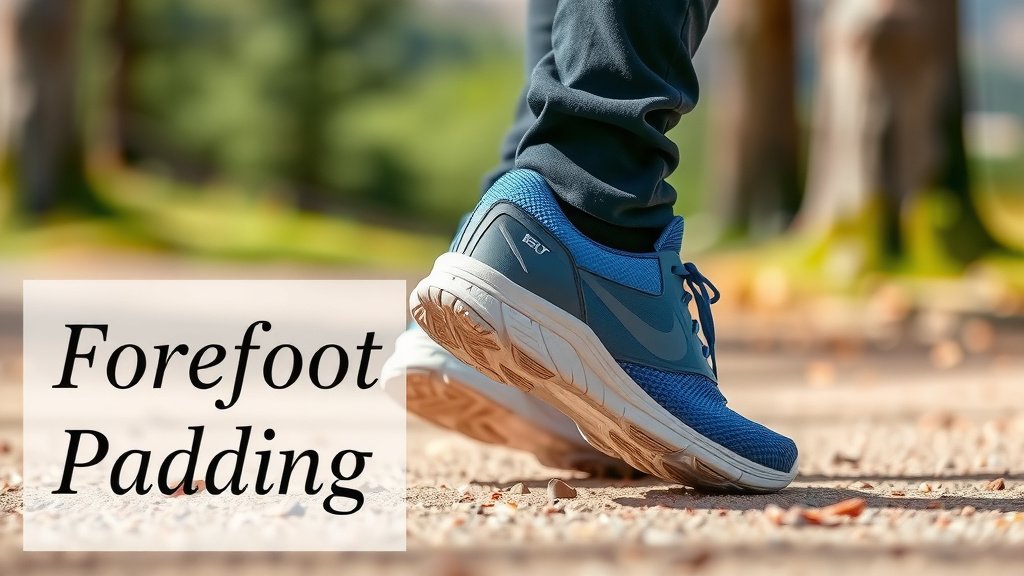
So, you’ve heard about forefoot cushioning, but what exactly does that mean for your feet when you’re on the move? It’s that comforting layer tucked right into the front part of your shoe, where your toes and the ball of your foot rest. Its main job is to act like a shock absorber. Think of it as a little cushion giving your feet a softer landing with every step.
Understanding Forefoot Padding in Your Shoes
This special padding is all about comfort and protection. It helps soften the impact your feet take, especially during activities that put a lot of pressure on them. Many athletic shoes, like running shoes, are designed with this feature. They aim to make your workouts more comfortable. It can make a big difference for your foot health.
Why is Forefoot Cushioning Important?
Forefoot cushioning plays a vital role in protecting your feet from the repeated stress of impact. When you run, jump, or even walk on hard surfaces, your forefoot absorbs a considerable amount of force. Without adequate cushioning, this impact can lead to discomfort and potential injuries over time. Many guidelines suggest good cushioning can help prevent common issues (Cleveland Clinic).
The Science Behind the Softness
The materials used for forefoot cushioning are designed to compress and then rebound. This action helps dissipate the shockwaves that travel up your leg. Common materials include foam compounds like EVA (ethylene-vinyl acetate) or specialized gel inserts. These are chosen for their ability to provide both softness and support. Researchers found that different foam densities offer varying levels of shock absorption (NCBI).
Who Benefits Most from Forefoot Cushioning?
While almost anyone can appreciate a bit more comfort, certain groups benefit more. Runners, especially those who often land on their forefoot, find this feature invaluable. People who engage in high-impact sports like basketball or tennis also benefit. Even if you spend a lot of time on your feet walking or standing, forefoot cushioning can provide welcome relief. It’s particularly helpful for individuals with sensitive feet or those recovering from certain foot ailments.
Types of Forefoot Cushioning Technologies
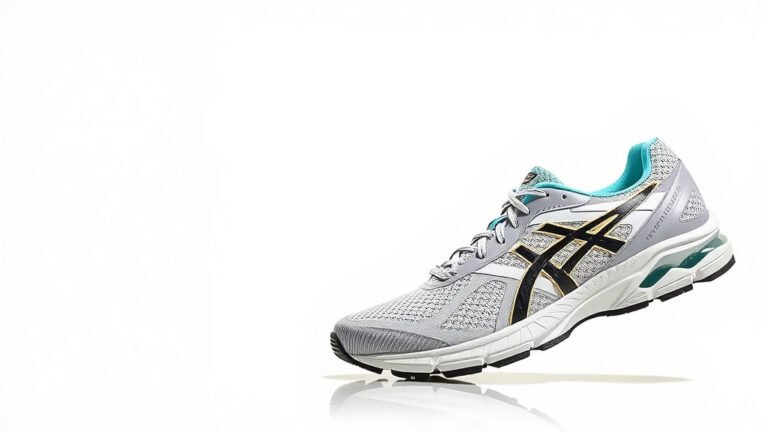
Shoe manufacturers use various technologies to create forefoot cushioning. Some use thick layers of foam, while others employ air or gel pockets. You might see terms like “responsive foam” or “impact absorption technology” in product descriptions. These all refer to how the shoe aims to protect and comfort your forefoot.
Foam-Based Cushioning
This is the most common type. Manufacturers blend different polymers to create foams with specific properties. Some foams are soft and plush, offering a cloud-like feel. Others are firmer and more responsive, providing a quicker feel underfoot. The goal is always to balance comfort with stability. We found that foam types vary greatly between brands and models.
Gel and Air Inserts
Some shoes incorporate gel or air-filled pockets in the forefoot. These can offer targeted cushioning exactly where you need it most. Gel inserts tend to be more durable and provide a consistent feel. Air units can offer a lighter feel and excellent shock absorption. Many studies show these technologies can effectively reduce peak impact forces (PubMed).
How to Assess Forefoot Cushioning in Your Shoes
Not all shoes are created equal when it comes to forefoot cushioning. So, how can you tell if a shoe has the right amount for you? It often comes down to a combination of looking, feeling, and understanding your own needs.
The “Feel Test”
The most straightforward way is to try them on. Stand in the shoes and gently press down on the ball of your foot. Can you feel a noticeable softness? Try a few small hops or jumps in place. Does the impact feel softened? If your toes or the ball of your foot feel like they’re hitting a hard surface, the cushioning might be insufficient for your needs.
Reading Shoe Descriptions and Reviews
Manufacturers often highlight their cushioning technologies. Look for terms related to shock absorption or forefoot comfort. Online reviews can also be very helpful. Real users often comment on how a shoe feels underfoot. Many reviewers mention the level of cushioning, especially in running and training shoes. We found user reviews are often a good indicator of real-world performance.
Considering Your Activity and Foot Type
Your needs will vary based on what you do. A marathon runner will likely need more robust forefoot cushioning than someone who walks occasionally. Likewise, individuals with conditions like metatarsalgia often seek shoes with ample forefoot padding. Research suggests specific cushioning levels can help manage foot pain (Mayo Clinic).
Here’s a quick checklist to help you evaluate forefoot cushioning:- Does the shoe feel soft under the ball of your foot?
- Does it absorb impact well during light jumps?
- Are there descriptions of shock-absorbing technology?
- Do reviews mention good forefoot comfort?
- Does it align with your activity level?
- Does it feel right for your foot type and any sensitivities?
Conclusion
Understanding forefoot cushioning is key to finding shoes that truly support your active lifestyle. You’ve learned it’s more than just padding; it’s a science designed to absorb impact and protect your feet. Whether you’re a runner, an athlete, or just someone who’s on their feet a lot, the right forefoot cushioning can make a world of difference in comfort and preventing discomfort.
So, next time you’re shopping for shoes, take a moment to consider this often-overlooked feature. Try the ‘feel test’ and read descriptions carefully. Your feet will thank you for investing in footwear that offers the right kind of support and softness where you need it most.
Frequently Asked Questions
Does forefoot cushioning help with foot pain?
Yes, adequate forefoot cushioning can significantly help with certain types of foot pain. It absorbs shock, reducing the stress on your toes and the ball of your foot. Research has shown that proper cushioning can help manage conditions like metatarsalgia, offering much-needed relief.
Can I add extra cushioning to my shoes if they don’t have enough?
Absolutely! If your current shoes lack sufficient forefoot cushioning, you can often add aftermarket insoles or orthotics. These inserts are designed to provide extra padding and support right where you need it. We found they can be a great way to customize the feel of your existing footwear.
How often should I replace shoes based on their forefoot cushioning?
The lifespan of forefoot cushioning depends on the materials and how you use your shoes. For high-impact activities like running, it’s generally recommended to replace shoes every 300-500 miles. You’ll notice the cushioning feels less responsive or your feet feel more tired after shorter distances.
Are expensive shoes always better at forefoot cushioning?
Not necessarily. While premium materials and advanced technology often come with a higher price tag, many affordable shoes offer excellent forefoot cushioning. It’s more important to focus on the specific cushioning features and how they feel to you, rather than just the brand or cost.
Does forefoot cushioning affect my running form?
Forefoot cushioning can influence your running form, particularly how you land. Shoes with substantial forefoot padding might encourage a lighter, softer landing. However, it’s essential to remember that your natural gait is the primary factor, and cushioning primarily aims to make that gait more comfortable and less impactful.