Choosing the Right Running Shoe Insoles
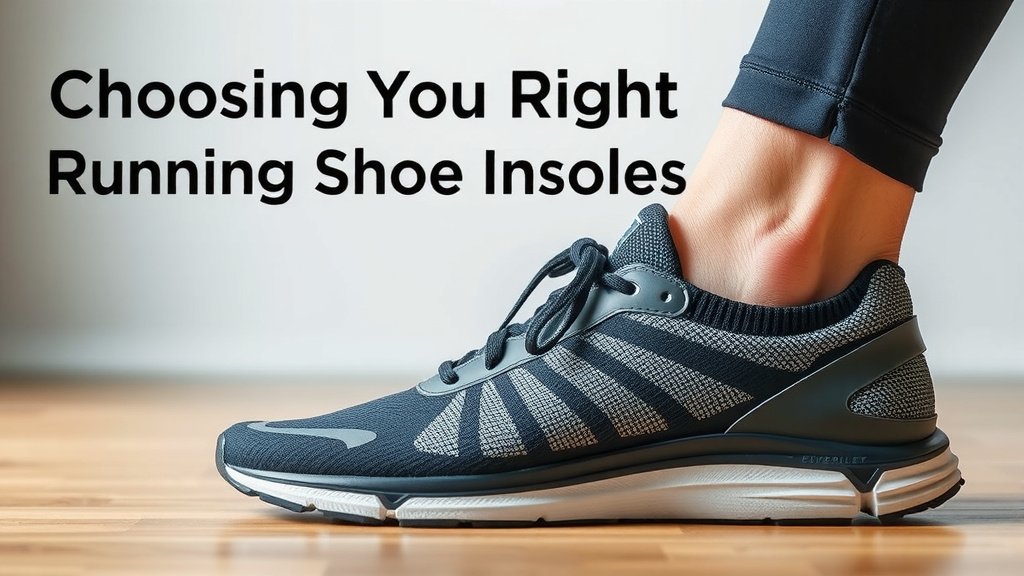
Choosing the right insoles for your running shoes means finding the best support and cushioning for your unique feet. You want insoles that match your arch type and running style to prevent pain and boost comfort. Think of them as custom upgrades for your favorite kicks.
We found that the wrong insoles can lead to aches and pains down the road. But the right ones? They can make your runs feel smoother and more enjoyable. Many experts say that proper insole selection is key to happy feet and injury-free miles.
- Know your arch type (flat, normal, high).
- Consider your running surface and distance.
- Look for the right level of cushioning and support.
- Don’t be afraid to try a few options.
Ready to find the perfect insoles to upgrade your run? Let’s walk through exactly how to choose them step by step.
Finding the Right Insoles for Your Running Journey
Choosing the correct insoles can dramatically improve your running experience. You want to find something that feels great from step one. The right insoles offer tailored support and shock absorption. This can help prevent common running injuries and make your miles feel more comfortable. We found that many runners overlook this simple upgrade.
Understanding Your Foot Type: The Arch is Key
Your arch height is the most important factor. It determines how much support you need. Your foot’s arch acts like a natural shock absorber. Knowing your arch type helps match you with the right insole. This is a foundational step for comfort and injury prevention.
Flat Arches (Low Arches)
If your feet roll inward excessively, you likely have flat arches. This is also called overpronation. Your arch may seem to disappear when you stand. Flat-footed runners often need insoles with firm support. These insoles help control pronation. They provide a stable base for your foot.
Normal Arches (Medium Arches)
You have a normal arch if you see a distinct curve on the inside of your foot. This type of foot generally distributes impact well. Runners with normal arches often benefit from balanced cushioning. They need support but not excessive motion control. Standard insoles often work well.
High Arches
If your arch is very pronounced, you likely have high arches. Your foot may not roll inward enough (underpronation). High arches mean less natural shock absorption. You might feel more pressure on your heel and the ball of your foot. Insoles with good cushioning are usually best. They help absorb impact.
We found that simply looking at your wet footprint can help identify your arch type. Step out of the shower onto a piece of paper. A full footprint suggests flat arches. A footprint with a thin line connecting the heel and toe suggests high arches. A footprint with a clear curve in the middle indicates normal arches.
Consider Your Running Style and Surfaces
Where and how you run matters. Different surfaces and distances demand different types of support. Think about your typical running routine. This will guide your insole choice. You want an insole that complements your running habits.
Trail Running vs. Road Running
Trail running often involves uneven terrain. This requires more stability. Insoles for trail running might offer firmer support and better grip. They can help prevent ankle twists. Road running typically requires more cushioning. Roads are hard and unyielding. Your insoles should absorb more shock. We found that many runners prefer plush cushioning for roads.
Long Distances vs. Short Bursts
If you’re training for a marathon, you’ll need maximum comfort and shock absorption. Long-distance runners often benefit from highly cushioned insoles. They help reduce fatigue over many miles. For shorter, faster runs, you might prefer a more responsive insole. This can give you a bit more energy return.
What Kind of Support and Cushioning Do You Need?
Insoles generally fall into a few categories based on their features. They are designed to enhance the support and feel of your running shoes. Think about what your current shoes lack. Do they feel too hard? Too soft? Do your feet roll too much?
Types of Insoles
- Neutral Insoles: These offer general cushioning and some arch support. They are good for runners with neutral pronation.
- Stability Insoles: These provide more structured support. They help control mild to moderate overpronation.
- Motion Control Insoles: These offer the highest level of support. They are designed for severe overpronation.
Cushioning Levels
Insoles come with varying degrees of cushioning. Some are thin and responsive. Others are thick and plush. We found that runners often choose cushioning based on personal preference and mileage. Experimenting can help you find your sweet spot. Too much cushioning can sometimes feel mushy. Too little can lead to discomfort.
The Fit and Feel: Trying Them On
Even with the right specs, the fit is paramount. Insoles need to feel comfortable inside your shoes. You should not feel any pinching or rubbing. Many running stores offer insole fitting services. We found this to be very helpful.
When trying insoles, wear your running socks. Walk and jog around the store if possible. Pay attention to how they feel underfoot. Do they support your arch? Is there enough room in your shoe? Your toes should not feel crammed.
Do They Fit Your Shoes?
Insoles should fit snugly inside your running shoes. They shouldn’t slide around. They should fill the space without being too tight. You might need to remove the original insoles from your shoes. Most running shoes have removable insoles. This creates space for your new ones. We found that some thicker insoles might make your shoes feel too snug.
Key Takeaways for Choosing Insoles
Finding the right insoles doesn’t have to be complicated. Focus on these key points:
- Know your arch type (flat, normal, high).
- Consider your running habits (surface, distance).
- Look for the right balance of cushioning and support.
- Try them on with your running socks and shoes.
- Don’t be afraid to switch if the first pair isn’t perfect.
Conclusion
You’ve learned that choosing the right insoles is a smart way to boost your running comfort and prevent pain. By understanding your arch type and considering your running style, you can find insoles that perfectly complement your shoes. Remember, the goal is to find that sweet spot of support and cushioning that feels just right for your feet.
Don’t settle for discomfort. Take the next step by assessing your arch type and thinking about your typical runs. Visit a running store to try on a few options. Your feet will thank you for making this simple yet impactful upgrade to your running gear.
Frequently Asked Questions
Can I use insoles for running if I don’t have any foot pain?
Absolutely! Insoles aren’t just for pain relief. They can enhance overall comfort and provide a more consistent feel with every stride. Many runners use them to add extra cushioning or support, even if they aren’t currently experiencing any issues.
How often should I replace my running shoe insoles?
You should typically replace your running shoe insoles every 6 to 12 months, depending on how much you run and the type of insole. If you notice them flattening out, losing their cushioning, or if you start experiencing new aches, it’s probably time for a fresh pair.
Will insoles make my running shoes feel tighter?
Yes, adding insoles can make your shoes feel a bit snugger. This is why it’s important to try them on with your running socks. If the shoe feels too tight or your toes are cramped, you might need to remove the original insole or consider a thinner insole option.
Are custom insoles better than over-the-counter insoles for running?
Custom insoles are molded specifically to your feet and can offer superior support, but they are also more expensive. For most runners, good quality over-the-counter insoles that match your arch type and needs can provide excellent comfort and support for injury prevention.
Can I put insoles in my everyday shoes as well as my running shoes?
You can certainly use insoles in your everyday shoes, but it’s best to choose insoles designed for the specific activity. Running insoles offer targeted cushioning and support for the impact of running. For casual wear, a different type of insole might be more suitable for all-day comfort.