
Why Your Calves Hurt When Running: Causes & Relief
Calf pain while running usually happens because of muscle strain, tight muscles, or overuse. Your calf muscles might be overworked from pushing too hard, too soon. Sometimes, it’s a sign that you need to improve your running form. We found that improper footwear can also play a big role in why your calves ache after a run.
Many runners experience this discomfort. It’s your body’s way of telling you something needs attention. Ignoring calf pain can lead to more serious issues, like strains or tears. We want you to keep running happily, so understanding the causes is the first step to finding relief. Pay attention to these warning signs.
- Muscle strain or tears are common culprits.
- Overuse from increasing mileage too fast.
- Tight calf muscles limit flexibility.
- Wearing the wrong running shoes.
- Poor running mechanics can strain calves.
Let’s walk through exactly why your calves might be hurting and what you can do about it.
You’re out for a run, feeling good, and then it hits: that nagging, sometimes sharp, pain in your calf. It’s a bummer, right? But before you stress too much, let’s figure out what might be causing it. Understanding the “why” is half the battle in getting back to pain-free miles.
Why Your Calves Are Talking to You During Runs
When your calves ache during or after a run, it’s your body sending a signal. It’s usually a sign that something isn’t quite right. We found that these signals often point to a few common culprits we’ll cover below.
Muscle Strain: The Most Frequent Offender
Your calf muscles are a powerhouse, but they can easily get overstretched or overworked. This is muscle strain, and it’s a big one for runners. You might feel a sudden pull or a persistent ache. It’s your muscle fibers telling you they’ve had enough.
Understanding Muscle Tears
Sometimes, that strain can turn into a tear. This happens when the muscle fibers rip. A minor tear might just feel like a bad cramp. A more severe tear feels like a sharp, sudden pain. You might even hear a pop. Research suggests that sudden, explosive movements or pushing your calves too hard can lead to this (Cleveland Clinic).
When Are You Most at Risk?
You’re more likely to strain a calf muscle if you:
- Suddenly increase your running intensity or duration.
- Run on hard surfaces like concrete for extended periods.
- Don’t warm up properly before you start running.
- Have tight calf muscles that lack flexibility.
- Are recovering from a previous calf injury.
The Overuse Effect: Too Much, Too Soon
Your body loves consistency, but it also needs time to adapt. Pushing your mileage or speed too quickly is a classic mistake. This is called overuse. Your calf muscles don’t get enough time to recover between runs. This can lead to inflammation and pain.
Are You Following the 10% Rule?
Many coaches recommend the “10% rule.” This means don’t increase your weekly mileage by more than 10% from the previous week. It’s a simple guideline to help prevent overuse injuries. We found that runners who ignore this often end up with calf pain.
Rest Days Are Your Friends
Your muscles repair and get stronger during rest. Skipping rest days might seem dedicated, but it can backfire. Those recovery periods are just as important as the runs themselves. Without them, your calves can become fatigued and prone to injury.
Tight Calf Muscles: A Lack of Give
Imagine a rubber band that’s old and brittle. That’s what tight calf muscles can feel like. They lose their natural elasticity. When you run, your muscles need to stretch and contract smoothly. Tight calves can’t do this easily.
The Hamstring Connection
Did you know your hamstrings and calves work together? If your hamstrings are tight, they can pull on your lower leg. This puts extra strain on your calf muscles. It’s like a chain reaction of tightness affecting your run. You might need to address hamstring flexibility too.
What About Your Achilles Tendon?
Your Achilles tendon connects your calf muscles to your heel bone. If your calf muscles are tight, they can put extra stress on this tendon. This can lead to Achilles tendonitis, which often feels like pain in the lower calf or back of the heel. Research indicates this is a common secondary issue from calf tightness (NIH).
Footwear Follies: Your Shoes Might Be the Culprit
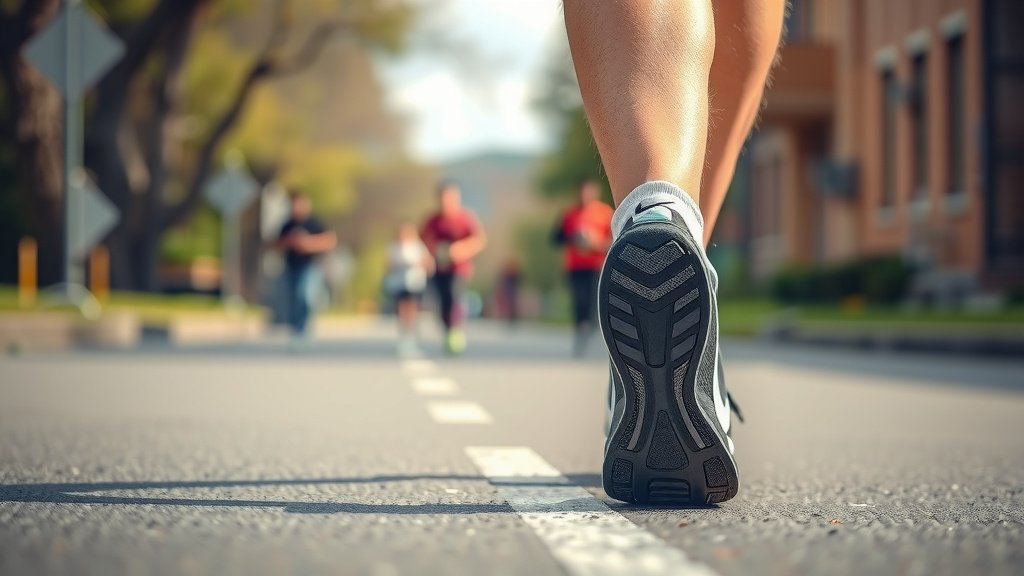
Your running shoes are your most important piece of gear. Wearing the wrong kind or worn-out shoes can wreak havoc. They might not provide the right support. This forces your calf muscles to work harder to compensate.
When Were Your Shoes Last Replaced?
Running shoes have a lifespan. After about 300-500 miles, the cushioning and support start to break down. Even if they look okay, they’re not protecting your feet and legs as well. We found that running in old shoes is a frequent cause of runner’s pain.
The Right Fit Matters
Are your shoes too tight? Too loose? Do they offer the right amount of arch support for your foot type? These factors can all contribute to calf pain. What works for one runner might not work for you. A gait analysis at a specialty running store can help.
Running Mechanics: How You Move Your Body
The way you run, or your running form, plays a significant role. Small inefficiencies in your stride can lead to big problems over time. Your calf muscles might be working overtime because of how you land or push off.
Are You a Heel Striker?
Many runners land heavily on their heels. This can send shockwaves up your leg. It puts a lot of stress on your calf muscles. Trying to land more mid-foot or forefoot can reduce this impact. It takes practice, but it can save your calves.
Your Stride Length and Cadence
Taking overly long strides can overstretch your calf muscles. It also makes your stride less efficient. Aim for a higher cadence, meaning more steps per minute. A quicker turnover can help you land lighter and reduce calf strain. Many experts suggest aiming for around 170-180 steps per minute (Harvard Health).
Here’s a quick checklist to see if any of these might be your calf pain’s cause:
- Have you recently increased your running distance or speed?
- Are your running shoes older than 500 miles?
- Do your calf muscles feel tight or stiff most of the time?
- Do you usually warm up before a run?
- Do you feel a sudden sharp pain when running?
- Do you have pain in other areas like your hamstrings or Achilles?
By looking at these potential causes, you’re already on your way to finding relief. It’s all about listening to your body and making smart adjustments.
Conclusion
Calf pain during your runs doesn’t have to sideline you. You’ve learned that common causes like muscle strain, overuse, tight muscles, improper footwear, and poor running form all play a role. Your body is communicating, and understanding these signals is key to a happier running journey. Don’t ignore those aches. The best next step is to honestly assess your running habits and gear based on what we’ve discussed. Make a small, informed adjustment today to keep those miles enjoyable and pain-free.
Frequently Asked Questions
Can I run through calf pain?
It’s generally not recommended to run through calf pain. Pushing through can turn a minor issue into a more serious injury, like a tear. Listen to your body and consider resting or cross-training until the pain subsides.
How can I prevent calf pain before it starts?
Prevention involves a few key habits. Always warm up before running, incorporate regular stretching for your calves and hamstrings, and gradually increase your mileage using the 10% rule. Ensure your running shoes are supportive and not worn out.
What are the best stretches for tight calf muscles?
Calf raises, standing calf stretches against a wall, and downward-facing dog are excellent for improving flexibility. Remember to also stretch your hamstrings, as tightness there can affect your calves.
When should I see a doctor for calf pain?
You should consult a doctor if you experience sudden, severe pain, can’t bear weight on your leg, notice significant swelling or bruising, or if the pain doesn’t improve with rest and self-care after a couple of weeks.
Does my running shoe type really matter that much?
Yes, your running shoe type is very important. Shoes provide cushioning and support, which can prevent excess stress on your calf muscles. Wearing the wrong type or worn-out shoes can force your calves to overcompensate, leading to pain.