
Best Running Shoes for Heavy Runners Explained
Running shoes for heavy runners are designed with extra cushioning and support to absorb impact and protect your joints. You need shoes that can handle more weight to prevent injuries and improve comfort. Choosing the right pair makes a big difference in your running experience.
Many runners wonder if they truly need special shoes. The research shows that a runner’s weight is a key factor in shoe wear and tear. Shoes built for heavier individuals often feature reinforced midsoles and a wider base for stability. This helps distribute pressure more evenly.
- Heavier runners need more cushioning and support.
- Look for shoes with reinforced midsoles.
- A wider base offers better stability.
- Proper shoes help prevent injuries and discomfort.
So, if you’re wondering what makes these shoes special and how to pick the best ones for your needs, you’ve come to the right place. Let’s get into the details.
You’re out there hitting the pavement, getting stronger, and feeling great. But are your feet feeling great too? If you’re carrying a bit more weight, you might feel that extra impact with every stride. That’s where the right running shoes come in. They’re not just shoes; they’re your partners in preventing pain and keeping you running happily.
Understanding Your Needs: Shoes Built for Impact
When you weigh more, your body experiences greater forces during running. Think of it like jumping. The heavier you are, the harder your landing. Your running shoes are the first line of defense against this increased shock. They need to be tougher and more forgiving than standard models. We’re talking about shoes engineered to handle the demands of a heavier runner.
Why Standard Shoes Might Not Cut It
Regular running shoes often focus on being lightweight and responsive. They might not have the robust cushioning or sturdy structure needed for larger impact forces. If you’ve ever felt jarring pain or noticed your shoes wearing out way too fast, this could be why. They simply aren’t built to absorb the extra stress.
The Science Behind the Support
Research consistently shows that body weight influences shoe durability and the forces experienced by the runner (American College of Sports Medicine). Heavier runners can exert up to 1.5 times their body weight on each foot strike. This means a 200-pound runner could put 300 pounds of force on their foot with every step! Shoes designed for you have specific technologies to combat this.
Key Features in Running Shoes for Heavier Runners
So, what exactly makes a shoe suitable for heavier runners? It’s all about the construction and materials used. Let’s break down the essential elements you should be looking for. These features work together to provide a comfortable and protective ride.
Superior Cushioning: Your Joint’s Best Friend
This is arguably the most critical feature. You need shoes with ample cushioning to absorb shock. Think of it like landing on a firm mattress versus a soft pillow. The pillow absorbs more of the impact. Look for shoes with thick midsoles made from advanced foam compounds. These foams are designed to compress and rebound, taking the sting out of each step.
- Maximalist Cushioning: Some brands offer “maximalist” shoes with exceptionally thick soles for maximum shock absorption.
- Responsive Foams: Look for terms like “responsive,” “energy-returning,” or specific foam names (e.g., Boost, Fresh Foam X, PWRRUN PB).
Enhanced Stability and Structure
Heavier runners often benefit from shoes offering more inherent stability. This doesn’t necessarily mean “motion control” shoes, which are for severe overpronation. Instead, it refers to a shoe’s overall structure. A wider base of support can help keep your foot stable through the gait cycle. This prevents excessive rolling inward or outward, reducing strain on your ankles and knees.
The Role of the Midsole and Outsole
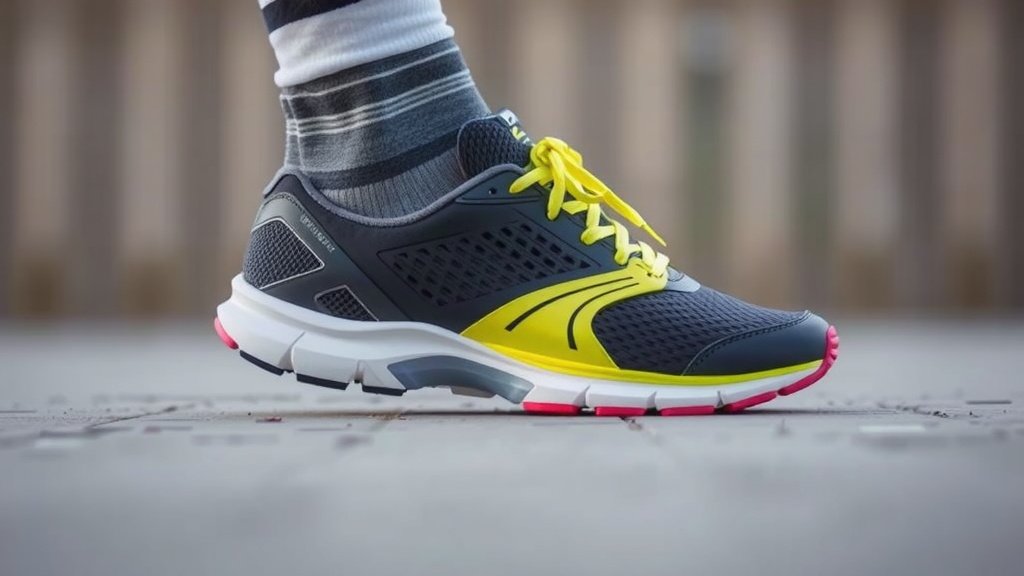
The midsole is where most of the cushioning and support magic happens. For heavier runners, it needs to be durable and resilient. Many shoes designed for you will feature dual-density foams, with a firmer foam on the inside of the foot to gently guide your stride. The outsole, the part that grips the ground, should also be robust to withstand the increased pressure. Look for durable rubber compounds.
Durability: Shoes That Last
Let’s be honest, running puts a lot of wear and tear on shoes. For heavier runners, this wear can happen faster. Therefore, shoe durability is a major consideration. You want a shoe that won’t break down after just a few weeks or months. Manufacturers often use stronger materials and reinforced construction in the areas that experience the most stress, like the heel and the forefoot.
Proper Fit and Width
This is non-negotiable for any runner, but especially important if you’re carrying extra weight. Your feet can swell during runs, and a shoe that’s too narrow will quickly become uncomfortable and potentially lead to blisters or nerve issues. Many brands offer shoes in wider widths (2E, 4E for men, D, 2E for women). Always try shoes on at the end of the day when your feet are slightly larger. Ensure there’s about a thumb’s width of space between your longest toe and the end of the shoe.
Types of Shoes and What to Look For
Not all shoes are created equal, even within the category of “shoes for heavier runners.” Understanding the different types can help you narrow down your choices. We’ve found that focusing on specific characteristics within these types is most effective.
Neutral vs. Stability Shoes
Most heavier runners can do well in a neutral shoe that offers ample cushioning and a stable platform. Stability shoes are typically for those who severely overpronate (their foot rolls inward excessively). If you’re unsure about your foot strike, visit a specialty running store for a gait analysis. However, many experts suggest that focusing on cushioning and a good fit is often more beneficial than strict stability features unless pronation is a diagnosed issue (Canadian Academy of Sport Medicine).
Maximum Cushioning Shoes
These shoes are designed to provide the softest, most protective ride possible. They feature the thickest midsoles and are excellent for long runs or for runners who want to minimize impact on their joints. If you’re new to running or recovering from an injury, these can be a fantastic choice.
Everyday Trainers
These are versatile shoes suitable for a variety of runs, from easy jogs to tempo efforts. They offer a balance of cushioning, responsiveness, and durability. For heavier runners, an everyday trainer should still have a good amount of cushioning and a sturdy build.
Making Your Selection: A Quick Checklist
Choosing the right shoe can feel overwhelming, but focusing on these key points will guide you. Think of it as your personal shoe-finding mission!
- Confirm you need wider widths available (check size labels like 2E or 4E).
- Prioritize ample cushioning in the midsole.
- Look for a shoe with a sturdy, stable base.
- Ensure the shoe feels comfortable and not restrictive when tried on.
- Consider the durability of the materials used.
- Don’t shy away from “maximalist” cushioning if joint comfort is a priority.
Conclusion
You’ve learned that choosing the right running shoes as a heavier runner is essential for comfort and injury prevention. We’ve seen how superior cushioning, enhanced stability, and durable construction work together. Prioritizing a proper fit, especially in wider widths, is also key. Remember, your shoes are your foundation for every run. Don’t hesitate to visit a specialty running store for personalized advice and to try on different models. Investing in the right pair will help you enjoy your running journey more.
Frequently Asked Questions
Do I really need different shoes if I’m a heavier runner?
Yes, you likely do. Heavier runners experience greater impact forces with each stride. Shoes designed for you offer specialized cushioning and support to absorb this extra shock, helping to prevent injuries and discomfort that standard shoes might not handle.
What’s the difference between “maximalist” shoes and regular cushioned shoes?
Maximalist shoes feature exceptionally thick midsoles for the highest level of shock absorption. Regular cushioned shoes still offer good cushioning, but maximalist designs go above and beyond to provide a softer, more protective feel, which can be great for joint comfort.
How do I know if I need a wider shoe?
If your feet tend to swell during runs, or if standard width shoes feel snug or pinch your feet, you probably need a wider size. Look for width designations like 2E or 4E on men’s shoes and D or 2E on women’s shoes.
Can stability shoes help me if I’m a heavier runner?
Stability shoes are specifically for runners who overpronate excessively. While some heavier runners may benefit, many find that a neutral shoe with ample cushioning and a stable platform is sufficient. It’s often best to get a gait analysis to determine if you truly need stability features.
How often should I replace my running shoes if I’m a heavier runner?
Heavier runners may experience slightly faster shoe wear due to the increased impact. Generally, aim to replace your shoes every 300-500 miles. Pay attention to signs of wear, like compressed cushioning or worn-out tread, and replace them sooner if needed.