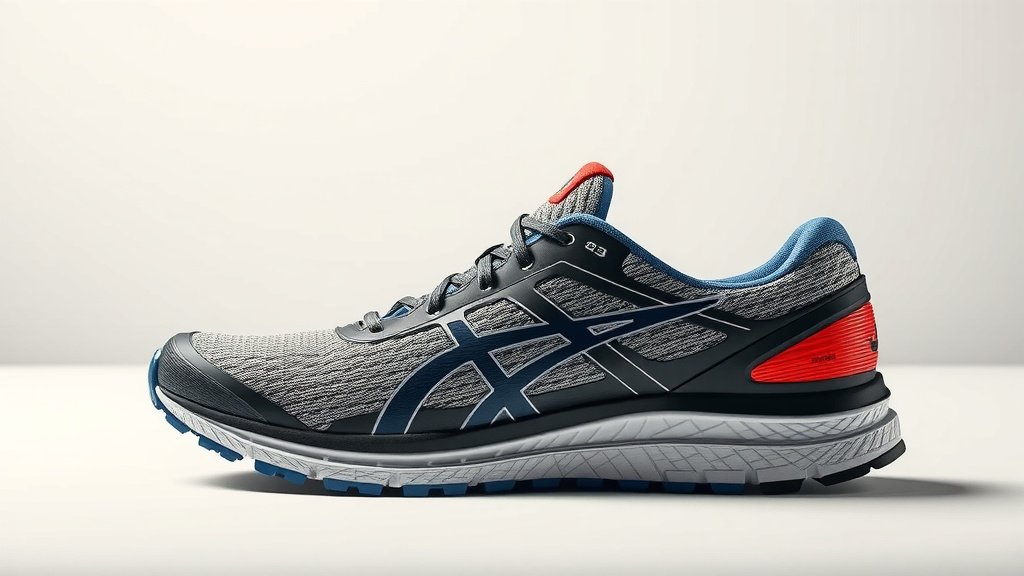
Best Running Shoes for Overpronation: Top Picks for 2026
The best running shoes for overpronation are stability shoes or motion control shoes, depending on how much your foot rolls inward. Top picks include the Brooks Adrenaline GTS, ASICS Gel-Kayano, and Saucony Guide. We found these models consistently praised by runners and podiatry experts alike.
Overpronation means your foot rolls too far inward with each step, which can lead to achy knees, sore arches, and even shin splints. The right shoe supports your arch and keeps your stride in a healthier line. Sound familiar? Then keep reading, because we’ve got you covered. If knee or hip pain is your main complaint, our guide to running shoes for bad hips covers that too.
- Overpronation happens when your foot rolls inward too much while running.
- Stability shoes work best for mild to moderate overpronation.
- Motion control shoes are built for severe overpronation.
- Look for firm midsoles, arch support, and a wide, stable base.
- Getting your gait checked at a running store can save you a lot of guesswork.
Below, we break down everything you need to know about choosing the right shoes for overpronation, so you can hit the pavement pain-free.
Picking the Right Shoe for Your Level of Overpronation
Not all overpronation is created equal. Some runners roll inward a little; others roll a lot. Matching the shoe to your level is the single most important decision you’ll make here.
Think of it like glasses. Mild nearsightedness doesn’t need a heavy prescription. The same goes for your feet. Here’s how we found the categories break down.
Mild Overpronation: Stability Shoes
Stability shoes are your sweet spot if your ankle tips inward only slightly. They use firmer foam on the inner edge of the midsole. That firmer section acts like a guardrail on a mountain road — it gently guides your foot back on track without forcing it.
Popular picks we found include the Brooks Adrenaline GTS, Saucony Guide, and ASICS GT-2000. Many experts say these models work well because they add support without feeling like a brick on your foot.
Moderate Overpronation: Stronger Stability or Guidance Shoes
If your arch collapses noticeably on each stride, you may need a bit more help. Look for shoes with wider bases and more aggressive medial posting. The ASICS Gel-Kayano sits in this category. So does the New Balance 860.
A physical therapist or running store gait analysis can tell you where you land. We recommend this step before spending $150 on a guess.
Severe Overpronation: Motion Control Shoes
Severe overpronators often have flat feet and very flexible arches. Motion control shoes use stiffer materials and a wide, firm platform to hold the foot in place. The Brooks Beast and Addiction are classic examples.
Fair warning: these shoes are heavier. But when you need them, you’ll feel the difference in your knees within a week.
| Your Level | Shoe Type | Example Models |
|---|---|---|
| Mild | Stability | Brooks Adrenaline GTS, Saucony Guide |
| Moderate | Strong stability | ASICS Gel-Kayano, New Balance 860 |
| Severe | Motion control | Brooks Beast, Brooks Addiction |
How to Tell If You Actually Overpronate
Maybe you’re not sure yet. That’s fair — plenty of runners blame their shoes when the real issue is something else entirely.
Quick At-Home Checks
Try the wet test. Step onto a piece of cardboard with a wet foot. A full footprint with no arch gap often suggests flat, flexible feet. A thin sliver connecting heel and toe suggests a normal or high arch.
Also check your old shoes. Lay them on a table. If they tilt inward or the inner midsole is crushed like a pancake, your foot has been rolling hard (Cleveland Clinic notes worn medial edges as a common sign of overpronation).
When to Get a Professional Gait Analysis
Many specialty running stores offer free video gait analysis. You jog on a treadmill for a minute while they film your ankles and knees. It takes ten minutes and removes nearly all the guesswork. Our guide to choosing 10k shoes explains what a gait analysis reveals and how to use the results.
If you have recurring pain, a podiatrist is the better stop. The NIH notes that persistent foot and ankle pain deserves proper evaluation, not just new shoes.
Features That Matter in a Shoe for Overpronation
Marketing buzzwords are everywhere. Here’s what actually matters once you’re in the aisle.
- Firm medial support — denser foam or a TPU post on the inner midsole.
- A wide, stable base — wider platforms resist tipping better.
- Structured arch support — not a squishy pillow, a real cradle.
- Durable outsole rubber — overpronators wear out inner edges fast.
- A heel counter that holds firm — squeeze it; if it folds, pass.
- Proper flex point — the shoe should bend where your toes bend.
What About Cushioning?
Max-cushion shoes feel amazing, but softness alone doesn’t fix overpronation. In fact, overly soft, narrow midsoles can let your arch collapse even more. Many experts say support and cushioning should come together, not compete.
Should You Consider Custom Orthotics?
Maybe. If a stability shoe isn’t enough, over-the-counter insoles are a cheap first test. Custom orthotics come after a podiatrist visit. Note that adding an insole changes the fit — you may need a shoe with a removable insole and slightly more room (Mayo Clinic guidance on orthotics supports starting with evaluation, not guesswork).
Your Pre-Purchase Checklist
Before you click “buy,” run through this quick list. It takes two minutes and saves returns later.
- Confirm your overpronation level with a gait check or the wet test.
- Match the shoe type: stability for mild, motion control for severe.
- Try shoes on at the end of the day, when feet are swollen.
- Leave a thumb’s width of space in the toe box.
- Jog in them — indoors or on a store treadmill, not just standing.
- Check the store’s return policy for a test-run window.
Common Mistakes Overpronators Make
We found the same slip-ups again and again in runner forums and expert advice. Avoid these and you’re ahead of the pack.
Buying for Looks Instead of Function
That neon racer on sale? It’s probably a neutral racing shoe with zero support. Pretty doesn’t hold your arch up. Save the stylish pair for the gym; run in the shoe that fits your stride.
Running in Worn-Out Shoes
Midsoles break down quietly. Most guidance suggests replacing running shoes every 300 to 500 miles. Overpronators often wear the inner edge first, which quietly worsens the roll. Set a reminder; your knees will thank you.
Assuming Overpronation Always Needs Fixing
Here’s a surprise: some research, including studies indexed by the NCBI, suggests mild overpronation in healthy, pain-free runners isn’t automatically a problem. If you run injury-free, you may not need heavy support at all. Pain-free runners sometimes do best in neutral shoes. Don’t fix what isn’t broken.
Breaking In Your New Stability Shoes
New support shoes feel different underfoot — firmer, more structured. Don’t race a 10K in them on day one. Wear them around the house, then take two or three short easy runs. Most runners we found recommend one to two weeks before full mileage.
Your body needs time to adjust to a new stride pattern too. A little soreness in new muscles is normal. Sharp pain is not — back off and reassess if that shows up.
What to Do If the Shoe Still Doesn’t Feel Right
Sometimes the “right” shoe still hurts. First, check the size — feet swell and change with age, and many runners wear a half size too small. Second, revisit your level; you may have outgrown (or out-improved) your current category.
And if pain sticks around for more than a couple of weeks, see a professional. Shoes fix alignment problems. They can’t fix stress fractures or tendon issues. Getting checked out is never wasted money (Cleveland Clinic).
Conclusion
Finding the right shoe for overpronation comes down to one thing: matching the shoe to your stride. Mild overpronation usually calls for stability shoes like the Brooks Adrenaline GTS or Saucony Guide. Moderate cases often do better in something firmer, like the ASICS Gel-Kayano. Severe overpronators should look at motion control shoes such as the Brooks Beast. We found the smartest order of operations is simple: confirm your gait first, then shop with purpose. Skip the flashy neutral shoes, replace your kicks before the midsole dies, and give your new pair a couple of weeks to break in. Your next step? Head to a local running store for a free gait analysis. Ten minutes on a treadmill beats months of trial and error.
Frequently Asked Questions
Can I run in neutral shoes if I overpronate?
Maybe, depending on your situation. If you run pain-free and your shoes wear evenly, research we found suggests mild overpronation may not need correction at all. But if you’re dealing with aching arches, sore knees, or recurring shin splints, a stability shoe is a safer starting point.
Are stability shoes good for walking too?
Absolutely. The same arch support and medial firmness that helps your running stride also works during daily walking. Many overpronators use their stability shoes as everyday sneakers. Just remember that running miles still count toward the shoe’s overall lifespan.
Do overpronators need a wider shoe?
Not always, but a wider base helps many overpronators. A broader platform resists the inward tipping motion better than a narrow one. If your feet spill over the sides of your current shoes, or you have flat feet, ask about wide (D or 2E) sizes when you try models on.
Will overpronation shoes fix my knee pain?
They can help, but they’re not a guaranteed cure. Proper footwear supports better alignment, which often reduces stress on the knees over time. If pain lingers after a few weeks in new shoes, it’s time to see a podiatrist or physical therapist rather than buying another pair.
How long do stability shoes last compared to neutral shoes?
Roughly the same, around 300 to 500 miles for most runners. The difference is where they wear out. Stability shoes tend to break down along the inner midsole first, so keep an eye on that edge. Once the firm foam softens, the support you paid for is gone.