Picking the Right Running Shoes for Teens: A Guide
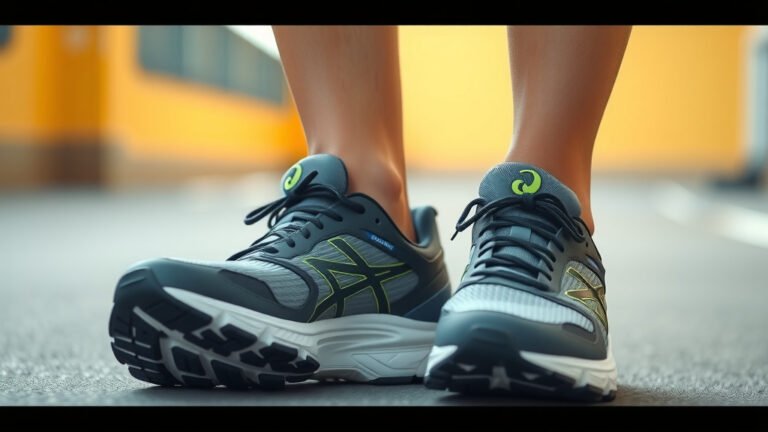
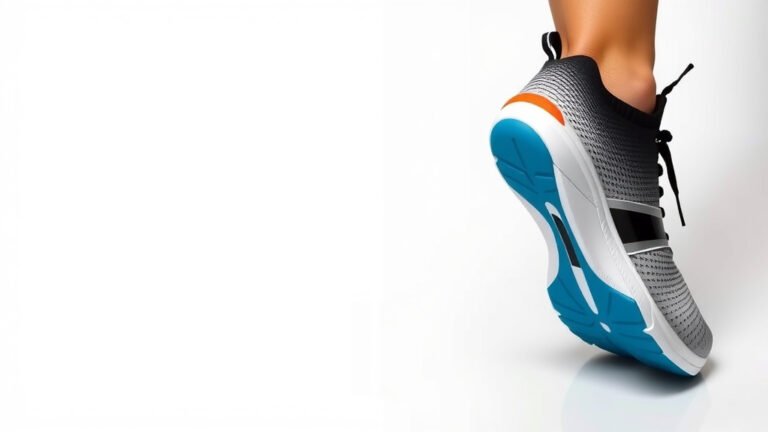
Choosing the right running shoes for teens is all about finding a comfortable fit and shoes that match their foot type and running style. It’s not just about cool colors, though those help! You want shoes that offer good support without being too stiff.
Many teens jump into running without thinking much about their footwear. This can lead to discomfort or even minor injuries down the road. We found that paying attention to a few key details can make a big difference in their running experience and help them stay injury-free.
- Look for shoes with good cushioning.
- Consider your teen’s arch type (flat, normal, high).
- Try shoes on at the end of the day.
- Don’t forget breathability and weight.
Let’s break down exactly what to look for so you can help your teen find their perfect pair of running shoes.
Picking the Perfect Running Shoes for Teens
Finding the right running shoes for your teen is like finding the perfect adventure buddy for their feet. You want something that’s supportive, comfortable, and ready to hit the pavement. We found that focusing on a few key areas can make all the difference. Your teen’s feet are still growing, so it’s important to get this right. Let’s dive in!
Understanding Your Teen’s Foot Type
Did you know that your teen’s foot arch can really affect how they run? It’s true! Understanding their arch type helps you pick shoes that offer the right kind of support. This can help prevent discomfort and potential injuries.
The Arch Anatomy
When your teen’s foot gets wet, stepping on paper can show us their arch. If you see most of their foot, they might have flat feet. If there’s just a bit of a curve, it could be a high arch. A normal arch usually shows a bit more of the middle of the foot.
Matching Shoes to Arches
For teens with flat feet, we’ve found that shoes offering good motion control are often best. These shoes help keep the foot from rolling inward too much. Think of it like a gentle guide for their stride. Many experts recommend looking for shoes with a firmer midsole and a strong heel counter.
Teens with a normal arch typically have more flexibility. They can often wear a variety of shoes. Neutral shoes, which offer a good balance of cushioning and flexibility, are usually a great choice. These are the most common type of running shoe.
For those with a high arch, feet can sometimes be a bit too stiff. Shoes with plenty of cushioning are key. This extra padding helps absorb shock and provides a softer landing. We found that looking for shoes with a soft midsole and good flexibility is often recommended by foot specialists.
What About Pronation?
Pronation is how your teen’s foot rolls inward when they run. It’s a natural shock absorber. But how much pronation matters for shoe choice.
Overpronation, Neutral Pronation, and Supination
Overpronation means the foot rolls inward excessively. This is common with flat feet. Neutral pronation is the ideal amount of inward roll. Supination (or underpronation) means the foot doesn’t roll inward enough, and the outer edge of the foot strikes the ground. This is often seen with high arches.
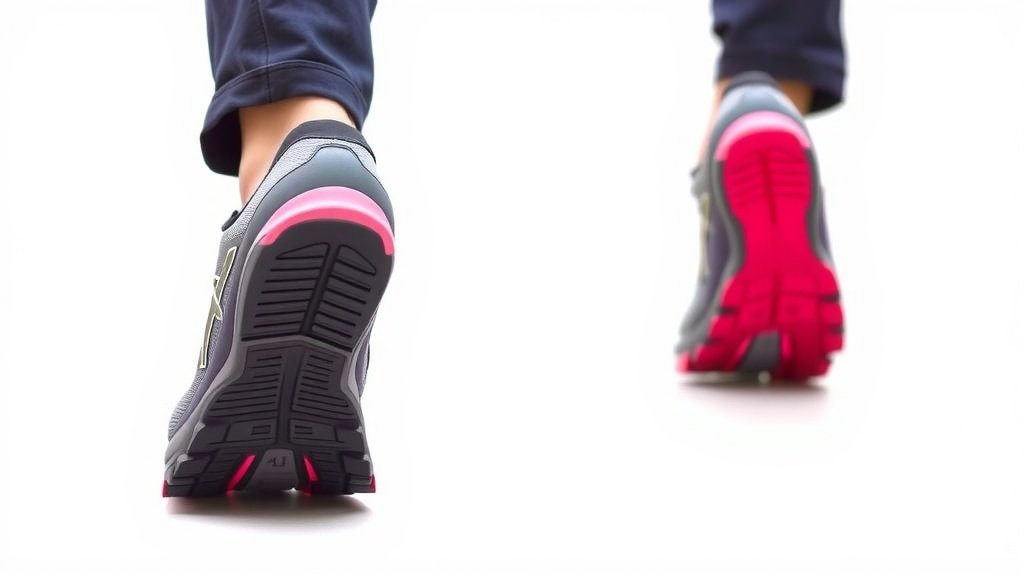
The type of shoe you choose should complement their pronation pattern. Motion control shoes help overpronators. Neutral shoes work for neutral pronators. Cushioned shoes are great for supinators. We found that observing their current shoes for wear patterns can offer clues. Are the insides of the soles worn down (overpronation)? Or is it the outer edges (supination)?
The All-Important Fit and Feel
This is probably the most important step. A shoe can have all the fancy technology, but if it doesn’t feel good, it’s a no-go.
Trying Them On Properly
Here’s a pro tip: have your teen try on shoes at the end of the day. Their feet swell a little throughout the day, just like ours do. Trying them on when their feet are at their largest means they won’t feel too tight during a run. Make sure there’s about a thumb’s width of space between their longest toe and the end of the shoe. You want a snug fit in the heel and midfoot, but room for toes to wiggle.
Weight and Breathability
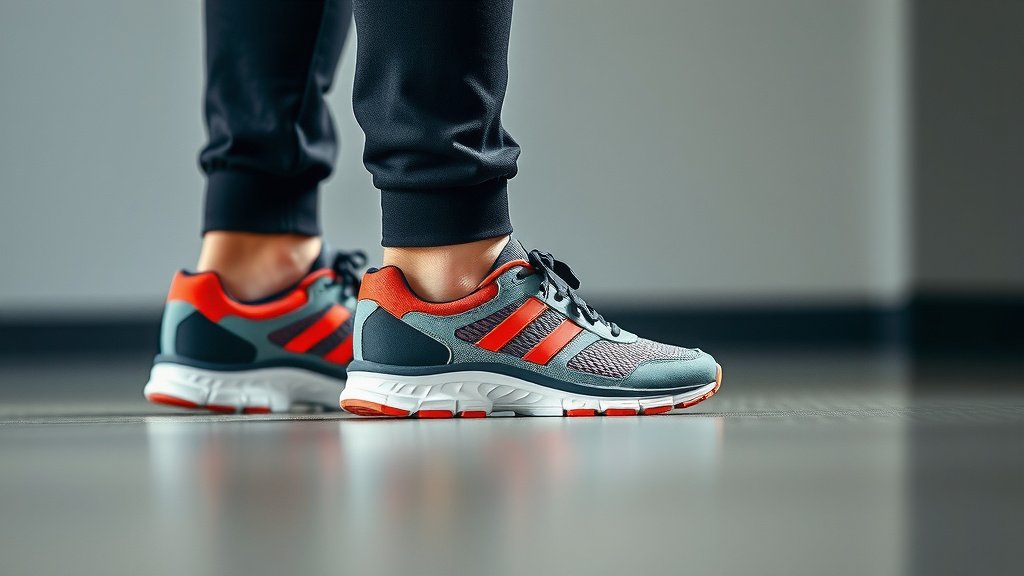
Running shoes come in different weights. Lighter shoes can feel faster and more responsive. Heavier shoes often offer more cushioning and support. For most teens, a mid-weight shoe is a good starting point. Also, consider breathability. Mesh uppers allow air to circulate, keeping feet cooler and drier. This is a big win on warmer days!
Cushioning: More Than Just Softness
Cushioning is what absorbs the impact of each step. It protects your teen’s joints. But too much can make a shoe feel mushy and unstable.
Finding the Right Balance
Different brands use different cushioning technologies. Some are softer, others are firmer but still responsive. We found that many teens prefer a shoe that feels responsive – meaning it gives a little energy back with each stride. It’s not just about sinking into softness. It’s about a blend of comfort and performance.
Understanding Shoe Categories
Running shoes aren’t all built the same. They often fall into a few main categories based on what they offer.
Neutral vs. Stability vs. Motion Control
Neutral shoes are built for runners with a neutral gait. They offer cushioning and flexibility. Stability shoes are designed for mild to moderate overpronation. They provide some support to guide the foot. Motion control shoes are for severe overpronation. They offer maximum support and are usually the stiffest.
For teens, it’s rare they’ll need full-on motion control unless advised by a professional. Most will do well in neutral or stability shoes. We found that focusing on comfort and how the shoe feels during a short jog in the store is a great indicator.
A Quick Checklist for Shopping
Ready to find that perfect pair? Keep this list handy:
- Go when feet are tired: Try shoes on at the end of the day.
- Room to move: Ensure a thumb’s width of space at the toe.
- Snug but not tight: Heels and midfoot should feel secure.
- Arch check: Consider neutral, stability, or cushioned based on foot type.
- Test run: Jog a little in the store if possible.
- Breathable is best: Look for mesh uppers.
Conclusion
You’ve learned how to help your teen find the best running shoes. It’s all about comfort, fit, and matching the shoe to their unique foot type and stride. Remember to check for that thumb’s width of space and try shoes on at the end of the day. Paying attention to cushioning and breathability also makes a big difference.
Now, take these tips to the store! Your teen’s next favorite pair of running shoes is waiting. Help them step into comfort and confidence for every run.
Frequently Asked Questions
How often should my teen replace their running shoes?
We found that running shoes typically last between 300 to 500 miles. For teens who run regularly, this often means a new pair every 6 to 12 months. Keep an eye out for worn-out soles or a loss of cushioning, as these are signs it’s time for a replacement.
Can my teen wear their everyday sneakers for running?
While tempting, everyday sneakers often lack the specific support and cushioning that running shoes provide. We recommend dedicated running shoes to help prevent injuries and ensure comfort during runs. Their design is meant to handle the repetitive impact of running.
What if my teen’s feet are still growing rapidly?
It’s important to leave a little extra room, about a thumb’s width, when buying shoes for growing feet. This allows for natural expansion during activity. While you don’t want shoes that are too big, ensuring there’s space will accommodate growth spurts better.
Do brands really matter when choosing running shoes?
While certain brands are known for specific features, what truly matters is the fit and feel for your teen. We’ve seen that even within a brand, different models offer different levels of support and cushioning. Focus on the shoe’s performance on your teen’s foot, not just the logo.
Is it okay if the running shoes feel a little stiff at first?
Some running shoes, especially those offering more support, might feel a bit stiff initially. We recommend a short break-in period where your teen wears them for shorter walks or runs. If they remain uncomfortably stiff after a few uses, they might not be the right fit.