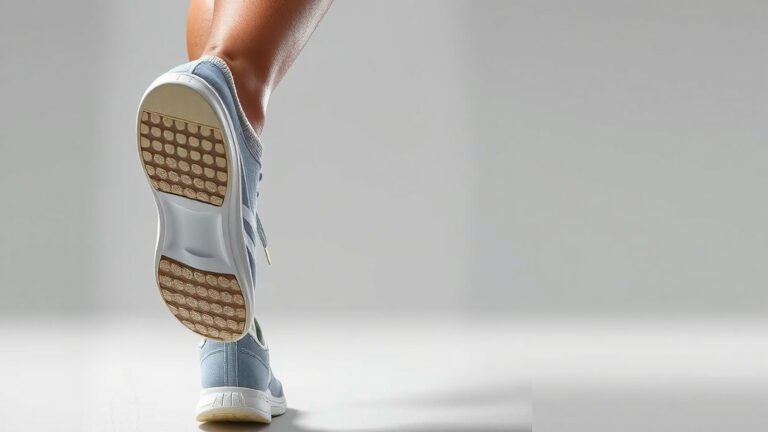
When to Rotate Running Shoes: Signs You Need a New Pair
Most runners should rotate or replace their running shoes every 300 to 500 miles. That equals roughly every 4 to 6 months if you run 20 miles a week. Wait too long, and worn-out cushioning can sneak injuries up on you before you even feel tired shoes.
But mileage isn’t the only thing that matters. We found that your body weight, running style, and shoe type all change how fast shoes wear out. Many experts say you should also watch for visible wear signs, like a faded tread or aches in your knees after easy runs.
Here’s the quick version before we dig in:
- Swap shoes every 300 to 500 miles, or about 4 to 6 months for most runners.
- Heavy runners or heel strikers may need new shoes sooner.
- Rotating two pairs can help each set last longer. Our guide to building a shoe rotation explains which pairs to include for each run type.
- Sore shins, knees, or hips often mean your cushioning is done.
- Don’t judge by looks alone; the foam wears out before the outside does.
Below, we break down everything you need to know about when to rotate running shoes, so you can keep logging happy, injury-free miles. Let’s get into it.
How Often Should You Replace Running Shoes?
The honest answer: it depends on your miles, your body, and your shoes. Most runners land somewhere between 300 and 500 miles per pair. But that range has room for a lot of wiggle. Let’s break down what actually moves the needle.
Factors That Change the Timeline
Your shoes don’t read the mileage chart on the box. Real life hits them harder than the lab does. We found several things that speed up (or slow down) the wear-out clock.
Body Weight and Running Style
More force through the shoe means faster foam breakdown. Heavier runners often hit the 300-mile mark before lighter runners do. Same goes for heel strikers who slam the ground with every step.
Your gait matters too. If you overpronate—meaning your foot rolls inward a lot—the inner edge of your midsole takes a beating. Sidewalk pounding? Also worse for shoes than soft trails.
Shoe Type Matters
Not all shoes are built the same. A max-cushion trainer may outlast a lightweight racing flat. Many experts say plush daily trainers hold up longer because there’s more foam to compress.
- Daily trainers: 300 to 500 miles, the standard range.
- Racing flats: often 200 to 300 miles before they feel dead.
- Plated super shoes: foam can lose pop fast, sometimes under 250 miles. Our carbon plate shoe lifespan guide explains why the foam fades so quickly.
- Trail shoes: outsoles last, but mud and rocks chew up the upper.
Warning Signs Your Running Shoes Are Worn Out
Your shoes will tell you when they’re done—you just have to listen. The clearest signal? New aches in places that used to feel fine. Sore shins, cranky knees, or tired hips after easy runs often mean the cushioning is toast.
Physical Signs to Check
Do the eyeball test at least once a month. Here’s what to look for:
- The midsole looks wrinkled, creased, or squished on the side.
- The outsole tread is smooth as a bald tire.
- The heel counter leans or folds when you squeeze it.
- One side of the shoe sits lower than the other on a flat table.
- The shoe twists easily, like a wet towel.
Here’s the tricky part: the foam usually dies before the outside shows it. Midsoles can lose 30% or more of their cushioning while still looking fine. That’s why mileage tracking matters so much.
How Your Body Signals It First
Overuse injuries like shin splints and plantar fasciitis often show up right after shoes wear down (Mayo Clinic). If your legs feel beat up on runs that used to feel easy, don’t blame your training yet. Check your shoes first.
Tracking Your Shoe Mileage the Easy Way
The best tracker is the one you’ll actually use. Jotting the date you bought a pair gets you halfway there. From there, do a little math.
Simple Tracking Methods
Most running apps let you assign shoes to workouts. Strava, Garmin, and Nike Run Club all do this for free. Set it up once, and the app counts for you.
Old school? Write the purchase date inside the tongue with a Sharpie. Then estimate: 20 miles a week means your shoes hit 400 miles in about five months. Easy peasy.
Mileage Timeline by Weekly Volume
| Miles Per Week | 300 Miles Reached | 500 Miles Reached |
|---|---|---|
| 10 miles | ~7.5 months | ~12.5 months |
| 20 miles | ~3.5 months | ~6 months |
| 30 miles | ~2.5 months | ~4 months |
| 40 miles | ~2 months | ~3 months |
Use this table as a rough guide, not a rule. Listen to your legs more than the calendar.
Should You Rotate Two Pairs of Running Shoes?
Yes, and we’re big fans of the two-pair system. Rotating shoes gives the foam 24 hours or more to bounce back between runs. Compressed midsole foam needs time to decompress, like a mattress after a night’s sleep.
Why Rotation Helps
Research on running injuries suggests rotating multiple shoe models may lower injury risk by varying the load on your body (NCBI). Different shoes stress your legs in slightly different ways. That variety keeps any one tissue from taking the same beating every day.
How to Set Up a Rotation
- Buy a second pair before your first pair is halfway worn.
- Use one pair for easy days and one for faster workouts.
- Alternate pairs if both are the same model.
- Track mileage for each pair separately in your app.
- Retire a pair when it hits its limit, and promote the other.
Yes, it costs more up front. But two pairs lasting longer together can cost about the same as one pair replaced twice.
How to Make Your Running Shoes Last Longer
Shoes are like houseplants: treat them decently and they’ll return the favor. A few small habits can stretch a pair’s life by 50 miles or more.
Quick Care Checklist
- Use shoes only for running, not errands or yard work.
- Untie them before pulling them off—heel counters hate the stomp.
- Air dry wet shoes naturally; never use the dryer.
- Wash by hand with mild soap when they get funky.
- Store them away from hot cars and direct sun.
- Keep a pair by the door for walks, saving running miles.
What to Do With Old Running Shoes
Don’t just toss them in the trash. Retired running shoes still have plenty of life in them for other jobs.
Many running stores collect used shoes for donation programs. Some brands also offer recycling programs that grind old shoes into playground surfaces and sports fields. Your beat-up pair could end up under a kid’s sneakers instead of in a landfill. Now that’s a good second act.
Conclusion
Figuring out when to rotate running shoes doesn’t need to be complicated. We found that the sweet spot for most runners sits between 300 and 500 miles, with your body weight, gait, and shoe type nudging that number up or down. Your legs are often the best warning system—new shin or knee aches usually mean the foam is done, even if the shoes still look sharp. Set up shoe tracking in your running app, watch for creased midsoles, and consider a two-pair rotation to give the foam time to recover. Your next step? Check your current pair’s mileage today. If you’re past 400 and feeling beat up on easy runs, it’s time to go shoe shopping. Your knees will thank you.
Frequently Asked Questions
Do running shoes expire if you never wear them?
Sort of. The midsole foam can slowly break down over time, even sitting in a box. Most experts suggest using shoes within two to three years of manufacture, since the cushioning may already be softer than when they left the factory.
Can I keep running in shoes with 500+ miles if they feel fine?
You can, but it’s a gamble. Research shows foam often loses cushioning before you can feel it, and your body may absorb the difference until an injury shows up. If you’re past 500 miles and pain-free, we’d still suggest phasing in a new pair soon.
Should I rotate different shoe models or stick with the same one?
Both approaches work, but many runners we’ve found success stories with rotate different models—say, a cushioned trainer and a lighter shoe. Varying the stress on your legs may lower injury risk. If you love one model, alternating two identical pairs still helps the foam recover.
Is it okay to walk in my running shoes?
Occasional walks won’t ruin them, but everyday wear adds miles fast. We suggest keeping a separate pair for errands, dog walks, and yard work. Saving your running shoes for actual runs is one of the easiest ways to stretch their lifespan.
How do I break in new running shoes safely?
Don’t jump straight into a long run. Start with a few short, easy runs in the new pair while your old shoes are still in rotation. Over a week or two, shift more miles to the new shoes. This gives your feet and legs time to adjust without shock.