What Drop Means in Running Shoes Explained
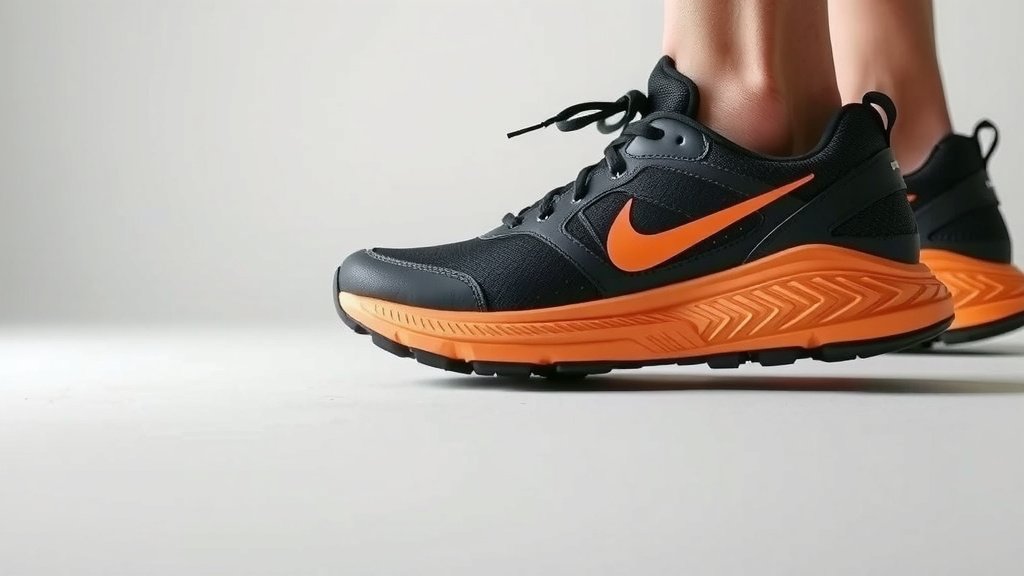
In running shoes, drop refers to the height difference between the heel and the forefoot of the shoe. It’s a key measurement that can affect how your foot lands and your overall running stride. A shoe with a zero-millimeter drop means the heel and forefoot are at the same height.
Understanding shoe drop helps you choose footwear that aligns with your natural running form and biomechanics. Many runners find that a lower drop encourages a more midfoot or forefoot strike, which some research suggests can reduce certain types of impact. Conversely, a higher drop is common in shoes designed for heel strikers.
- Shoe drop is the heel-to-toe height difference.
- It influences your foot strike and running mechanics.
- Zero-drop shoes have equal heel and forefoot height.
- Higher drops often suit heel strikers.
- Choosing the right drop can support your natural gait.
Ready to understand how this seemingly small detail can impact your runs? Let’s dive into what shoe drop really means for you.
Understanding Running Shoe Drop
So, what exactly is this “drop” you hear about with running shoes? It’s simpler than it sounds. Think of it as the slope inside your shoe. Specifically, it’s the difference in cushioning height between the heel and the ball of your foot. Running shoe manufacturers measure this in millimeters (mm).
A higher number means a bigger difference. A lower number means less of a difference. This measurement really matters for how your foot interacts with the ground when you run.
How Shoe Drop Affects Your Stride
The drop in your running shoes can influence your natural running form. It’s not about forcing you into a specific style. Instead, it nudges your foot into a certain landing position.
Higher Drop Shoes: The Comfort Zone for Heel Strikers
Most traditional running shoes come with a higher drop. We’re talking about 8mm to 12mm or even more. These shoes have a lot more cushioning under your heel than under your forefoot. This design is great if you naturally land on your heel when you run.
That extra heel cushioning can absorb a good amount of impact. It feels soft and protective. Many runners, especially those new to the sport or looking for maximum comfort on long runs, find this familiar feel very appealing. Research has noted that this can help reduce strain on the Achilles tendon for some individuals (University of Pittsburgh).
Lower Drop Shoes: Embracing a Natural Midfoot or Forefoot Strike
Shoes with a lower drop, typically 0mm to 6mm, are designed to encourage a more natural landing. They bring your heel and forefoot closer to the ground. This means you’re more likely to land on your midfoot or forefoot instead of your heel.
When you land on your midfoot or forefoot, your foot and ankle muscles absorb much of the impact. This can feel different at first. Some runners report feeling a greater connection to the ground. Many experts suggest this can potentially reduce stress on the knees (Harvard Health Publishing).
Zero Drop Shoes: The Ultimate Natural Feel
Zero-drop shoes, as the name suggests, have no difference in height between the heel and the forefoot. The sole is completely flat. It’s like running barefoot, but with protection.
These shoes aim to mimic the biomechanics of running barefoot. Many studies have found that a zero-drop can promote a more efficient gait. It encourages your body’s natural shock absorption system. It’s important to transition slowly into zero-drop shoes, though. Your body needs time to adjust.
What Drop is Right for You?
Choosing the right shoe drop isn’t a one-size-fits-all decision. It really depends on your body and how you run. What works wonders for your friend might not be the best for you.
Consider Your Natural Running Form
Pay attention to how your feet hit the ground. Do you notice a heavy heel strike? Do you land more on your midfoot? Your natural tendency is a big clue.
If you’re a strong heel striker, a higher drop might feel most comfortable initially. It provides that familiar cushioning. If you’re already landing more towards your midfoot or forefoot, a lower or zero drop might feel more natural and less disruptive.
Listen to Your Body and Be Patient
Switching drop levels can take some getting used to. If you’re moving from a high-drop shoe to a low-drop or zero-drop shoe, your calves and Achilles tendons will feel it. They’re doing new work!
We found that gradually increasing your mileage in new shoes is key. Start with shorter runs. Give your body time to adapt. Trying a shoe with a slightly lower drop than you’re used to is a good first step. Don’t jump straight to zero if you’ve been in 12mm shoes for years.
Medical Advice and Shoe Drop
For runners dealing with specific injuries, like plantar fasciitis or Achilles tendonitis, the drop can be a factor. Many medical professionals recommend a higher drop shoe for certain conditions. This is because it can reduce the load on the Achilles tendon.
However, for other issues, a lower drop might be suggested to encourage better foot mechanics. It’s always a good idea to consult with a physical therapist or a podiatrist. They can assess your specific situation and provide personalized advice. They often suggest specific shoe types based on your gait analysis (Cleveland Clinic).
Common Drop Ranges and Their Characteristics
Let’s break down the typical drop ranges you’ll see. This can help you understand where different shoes fit in.
| Drop Range (mm) | Typical Feel & Purpose |
|---|---|
| 0-4mm (Zero to Low Drop) | Feels very natural, promotes midfoot/forefoot strike. Good for those adapting to minimalist running or seeking a barefoot feel. Requires a careful transition. |
| 4-8mm (Mid Drop) | A good middle ground. Offers some cushioning while still encouraging a more natural foot strike than high-drop shoes. Great for many runners looking to experiment. |
| 8mm+ (High Drop) | Traditional feel, lots of heel cushioning. Best for strong heel strikers or those needing maximum shock absorption. Feels very plush on landing. |
Key Takeaways for Choosing Your Drop
To wrap up your understanding of shoe drop, keep these points in mind:
- The drop is the heel-to-forefoot height difference in your shoe.
- Higher drops (8mm+) are common and good for heel strikers.
- Lower drops (0-6mm) encourage midfoot/forefoot strikes.
- Zero-drop shoes offer a completely flat sole for a barefoot feel.
- Consider your natural stride and listen to your body.
- Transition slowly if you change drop levels significantly.
Conclusion
Understanding running shoe drop is about finding what works best for your body and your stride. Whether you prefer the plush feel of a higher drop or the natural connection of a lower or zero drop, the key is to listen to your body. You’ve learned how drop affects your foot strike and that a gradual transition is essential when changing shoe types. Don’t be afraid to experiment or seek professional advice. Your next step? Pay attention to your current shoes and consider trying a drop that aligns with your running experience and comfort.
Frequently Asked Questions
Can changing my shoe drop cause injuries?
Changing your shoe drop, especially going from a high drop to a low or zero drop, can put new stress on your calves and Achilles tendons. This can lead to strains if you transition too quickly. It’s important to give your body time to adjust by gradually increasing mileage in new shoes.
Is a higher drop always better for knee pain?
Not necessarily. While a higher drop offers more cushioning for heel strikers, which can feel comfortable, some research suggests lower drops might encourage better biomechanics that can reduce knee stress for certain runners. It’s best to consult a physical therapist for personalized advice.
How do I know if I’m a heel striker or a midfoot striker?
Pay attention when you run, especially on a hard surface. If you hear and feel a distinct thudding sound when your heel hits the ground, you’re likely a heel striker. If your landing is softer and more centered under your foot, you’re probably a midfoot or forefoot striker.
Can I wear zero-drop shoes for walking?
Yes, you can wear zero-drop shoes for walking, but the same transition advice applies. Your body needs time to adjust to the flatter sole and different muscle engagement. Start with short walks and gradually increase duration to avoid strain.
What is considered a “mid drop” in running shoes?
A mid-drop shoe typically falls in the range of 4mm to 8mm. This offers a balance between the cushioning of a higher drop and the more natural feel of a lower drop. Many runners find this a good starting point if they want to move away from traditional high-drop shoes without a drastic change.