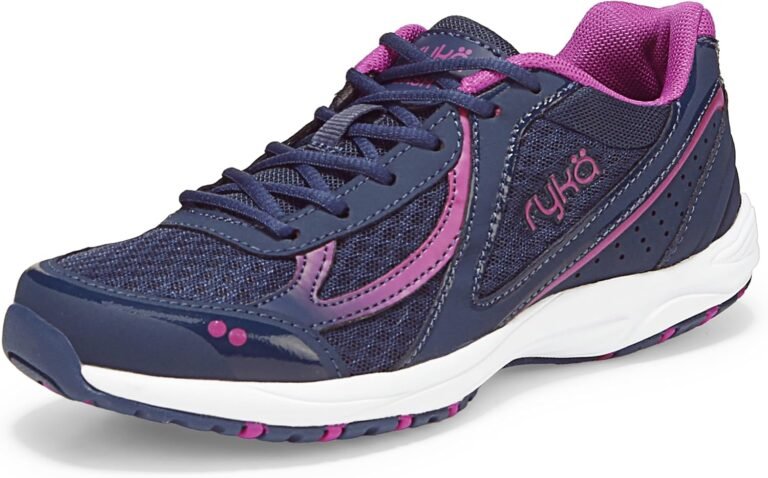
Best Walking Shoes Size 13: Top Picks and Fit Guide
Finding walking shoes size 13 doesn’t have to be a headache. Yes, you can absolutely find great options, but you need to know where to look and what to avoid. Most mainstream stores only stock up to size 12, so you have to shop smarter, not harder.
We found that your best bet is to focus on online retailers and specific brands that specialize in extended sizes. Your foot health depends on getting the right fit, especially when you’re logging daily miles. A shoe that’s too small can lead to blisters and joint pain, so getting the size right is the first step to a great walk.
- Always measure your feet at the end of the day when they are slightly swollen.
- Look for brands like New Balance, ASICS, and Brooks, which regularly make size 13.
- Shop online at retailers like Zappos or Amazon for the widest selection.
- Remember that a size 13 fits differently in running shoes vs. casual walking shoes.
- Always check the return policy so you can swap sizes without stress.
Below, we break down exactly how to find your perfect pair and why sizing varies so much between brands. Let’s dig into the details so you can walk in total comfort.
Getting the Right Fit for Bigger Feet
Walking in the wrong shoes changes your whole stride. That’s not just our opinion; the American Podiatric Medical Association warns that ill-fitting footwear is a leading cause of foot pain. When you wear a size 13, the margin for error gets even tighter because you have less variety to choose from.
You need a shoe that matches your exact foot shape, not just the number printed on the box. Your feet carry your entire body weight, and every step sends shockwaves up through your knees and back. A pair that’s too snug forces your toes to curl, which leads to bunions and blisters over time. A pair that’s too loose makes your foot slide forward, causing heel pain and Achilles strain.
We found that most size 13 wearers have one of two problems: buying too short because a store didn’t carry their size, or buying too wide to compensate. Neither works. You need a precise fit built for your foot’s length, width, and arch height all at once.
Why Brand Sizing Varies for Size 13
Here’s a surprise: a size 13 in one brand may fit like a 12.5 in another. That’s because brands use different last shapes, which are the molds that give shoes their form. Some run long and narrow, while others run short and wide.
We found that brands like New Balance typically run true to size but offer multiple widths, from narrow to extra-extra-wide. ASICS tends to fit snugger in the toe box, and Brooks offers a roomier feel with plush cushioning. If you jump between brands without checking their fit guides, you’ll end up with a mismatched pair every single time.
Your best move is to measure your foot length in centimeters, not just rely on your size number. Then compare that measurement to each brand’s specific size chart. That simple step saves you from the frustration of ordering, returning, and reordering.
The Difference Between Walking and Running Sizes
The style of shoe matters just as much as the brand. Running shoes have a curved last that promotes forward motion, designed for speed and heel-to-toe transition. Walking shoes use a straight or semi-curved last for stability, which keeps your foot flat and steady with each step.
For daily walking, you need a straight-last shoe that won’t roll your ankles. Running shoes in size 13 will feel flimsier in the heel and more aggressive in the toe spring. That’s why your sneaker rotation should include a dedicated walking pair, not just an old running shoe that still fits.
The cushioning also differs. Running shoes pack more foam in the heel to absorb high-impact landings. Walking shoes distribute cushion evenly across the foot, giving you all-day comfort without that bouncy, unstable feel.
Where to Shop When You Wear Size 13
Brick-and-mortar stores rarely stock beyond size 12, and that’s the number one reason you struggle to find shoes in person. Research shows that in-store inventory for extended sizes is spotty at best, which forces bigger-footed walkers to online shopping. That’s not a bad thing, because online retailers open up thousands of options.
We found that Zappos and Amazon are your safest bets for selection, since both carry size 13 across dozens of brands. Many brand websites, like Hoka and Saucony, also sell direct and offer size 13 in nearly every model. You just have to be patient with shipping and return times.
Specialty big-and-tall retailers also stock walking shoes, but often at a premium price. If you need good arch support and a wide toe box, a specialty store may be worth the extra cash. Just compare prices online first to avoid overpaying.
Online Shopping Tips for Bigger Feet
When you shop online, always filter by size first. Don’t trust the product images or descriptions, since a shoe that looks roomy can run narrow. Use the site’s search filters to narrow by size 13 and width, then read the reviews from other size 13 buyers.
Pay attention to return policies before you click buy. Zappos offers free returns, which makes it easy to order two pairs and send one back. Amazon has a 30-day window on most shoes. That safety net is crucial when you’re buying extended sizes because the fit is less predictable.
Avoid sites that charge restocking fees or require you to return at your own expense. The few dollars you save on the initial price can vanish with shipping costs. A generous return policy protects you from wasting money on a pair that doesn’t fit.
Using Customer Reviews to Your Advantage
Reviews are gold when you wear a size 13. Look for reviewers who mention their exact size and any fit quirks. Someone who says “I normally wear 13 and these ran tight” gives you a clue to size up. Similarly, a review that notes “wide enough for my 4E” tells you the shoe accommodates wider feet.
Don’t stop at the star rating. Read the negative reviews, too. If three different people describe the same issue, like a narrow toe box, treat that as a reliable warning. Use those insights to adjust the size or width you choose.
Understanding Width Options in Size 13
Length is only half the fit equation. Width matters just as much, especially for walkers with larger feet. Standard width is labeled D for men and B for women. But many brands offer wide (2E), extra-wide (4E), and even 6E options in size 13.
Most mainstream stores only stock D widths, which is another reason larger-footed walkers struggle with fit. If your feet spread out as you walk, you need that extra width to avoid pinching. Walking shoes should feel snug in the heel but roomy in the toe box, allowing your toes to splay naturally.
Look at the width chart before ordering. Measure the widest part of your foot and match it against the brand’s chart. If you’re between widths, choose the wider one, since you can always add an insole to take up extra room.
| Width Label | Men’s Foot Width (inches) | Women’s Foot Width (inches) |
|---|---|---|
| Narrow (B/N) | 3.5 to 3.6 | 3.2 to 3.4 |
| Standard (D/M) | 3.7 to 4.0 | 3.5 to 3.7 |
| Wide (2E) | 4.1 to 4.3 | 3.8 to 4.0 |
| Extra-Wide (4E) | 4.4 to 4.6 | 4.1 to 4.3 |
Measuring Your Feet the Right Way
Your feet change over time. Cartilage loosens, arches drop, and toes spread out from years of walking. That means your size from a decade ago probably doesn’t fit anymore. Many guidelines from the American Academy of Orthopaedic Surgeons recommend re-measuring your feet at least once a year.
Stand on a piece of paper with your heel against a wall, and mark the longest point of your foot. Then measure the width at the widest spot. Do this in the evening when your feet are swollen, since that’s when they’re at their largest. Wear the same socks you’ll wear during your walks.
We found that measuring both feet is required because one is usually bigger than the other. Fit the larger foot when you buy shoes. Otherwise, you’ll squeeze one foot all day long, which causes friction and blisters. Trust the measurement, not the size on your old shoebox.
Common Mistakes to Avoid When Sizing Up
One of the biggest mistakes we found is buying a half-size up to get more length. That throws off your stride and makes the shoe slip at the heel. Instead, buy your true length and adjust the width or volume with insoles.
Another mistake is skipping the break-in period. New shoes feel stiff for the first few miles, so don’t judge them after a five-minute walk around your living room. Take them on short walks for a week before you decide they don’t work. That said, if your toes hit the end or you feel sharp pain, send them back.
Don’t ignore the lacing system. A shoe that fits great in the store can feel loose on your foot if you don’t lace it properly. Use the runner’s loop technique to lock your heel in place. This simple adjustment can turn a good shoe into a great one.
Key Features to Look For in Walking Shoes
Cushioning and support top the list, but the details matter more than you think. A walking shoe should have a flexible forefoot that bends with your toes, not a stiff plate. It should also have a firm heel counter, which is the cup that wraps around your heel, to prevent your foot from rolling inward.
Arch support is another crucial feature, but the right amount depends on your foot type. Flat feet need motion control with a firm medial post. High arches need neutral cushioning with soft foam. Walkers with normal arches do well with a stability shoe that blends both approaches.
Weight also plays a role. A heavy walking shoe with size 13 proportions gets noticeably heavy after a mile. Look for lightweight materials like mesh uppers and EVA foam midsoles. You want enough cushion, but not so much that your foot feels like it’s swimming in a cloud.
Sole Traction and Outsole Durability
The outsole needs to grip uneven pavement, gravel paths, and wet surfaces. Look for a carbon rubber outsole, which is durable and grips well without wearing down quickly. Avoid soft blown rubber, which feels cushy but erodes fast on concrete.
Check the tread pattern, too. A multi-directional lug pattern handles trails and sidewalks better than a smooth sole. If you walk mostly indoors or on treadmills, a smoother outsole works fine. Match the traction to your most common walking surface.
Upper Material and Breathability
Your feet sweat, especially during longer walks. A breathable mesh upper helps air circulate and keeps blisters at bay. Some shoes use engineered mesh with varying densities, giving support where you need it while staying flexible elsewhere.
Leather and synthetic leather offer more structure and durability, but they trap heat. If you walk outdoors in warm weather, choose a lighter mesh shoe. In colder months, a leather or weatherproof upper adds protection from the elements.
Best Practices for Breaking In Your New Pair
Don’t expect perfection on day one. Even a perfectly sized walking shoe needs time to mold to your foot. Start with a 20-minute walk at a slower pace, then gradually increase your distance over the next week. This allows the materials to soften without causing friction.
If you feel hot spots, apply blister bandages or anti-chafe balm before they turn into open wounds. Proactive protection works better than emergency treatment. Once the shoe breaks in, those spots should dissipate as the shoe conforms to your anatomy.
Rotate between two pairs if you walk daily. This gives each shoe time to decompress between uses, which extends its lifespan. Shoes that never rest break down faster and lose their support. A good walking shoe lasts 300 to 500 miles, according to many sports medicine experts, so careful rotation maximizes your investment.
Checklist Before You Check Out
- Measure both feet at the end of the day, standing up, wearing your walking socks.
- Compare your measurement in centimeters against the brand-specific size chart.
- Choose your wider foot as the baseline for your final size selection.
- Verify the width option (D, 2E, 4E) matches your widest foot measurement.
- Read at least five reviews from people who wear size 13.
- Confirm the return policy offers free or low-cost returns before you order.
Once you have a measurement, a brand, and a return-friendly store, you’re ready to buy with confidence. You don’t need to settle for a shoe that pinches or slides. The right pair is out there, and now you know exactly how to find it.
Conclusion
Finding walking shoes size 13 gets easier when you stop relying on brick-and-mortar stores. You now know to measure your feet in centimeters, check brand-specific size charts, and pay close attention to width options like 2E or 4E. You also know that dedicated walking shoes beat old running sneakers for daily comfort and stability.
Your next move is simple: measure both feet tonight, then shop online at Zappos or Amazon with free returns. Read reviews from other size 13 walkers and pick two pairs to compare at home. Walking pain is fixable, and the right shoes are the cure. Start today, and your feet will thank you after your next mile.
Frequently Asked Questions
Do I need to size up if I wear a size 13 in running shoes?
Not necessarily. Walking shoes often fit differently than running shoes because they use a different last shape. You should measure your foot and compare it to the brand’s size chart for the specific walking shoe you want. Some walking shoes run true to size, while others run slightly long or short.
Are size 13 walking shoes harder to find in wide widths?
Yes, wide widths in size 13 are less common than standard D widths. You’ll have better luck shopping online than in physical stores. Brands like New Balance and Brooks consistently offer 2E and 4E options in size 13.
How much room should I have at the toe when trying walking shoes?
You should have about a thumb’s width of space between your longest toe and the end of the shoe. This gives your toes room to splay naturally as you walk without hitting the front. Too much room causes your foot to slide forward, which leads to blisters.
Can I wear size 13 walking shoes if I normally wear a 12.5?
Yes, but only if the brand runs short. Half sizes aren’t always available in extended sizes, so many walkers size up to 13 when needed. Check the brand’s size chart and read reviews from other half-size wearers before you commit.
What’s the best way to test walking shoes for fit at home?
Walk around your house on hard floors, not just carpet. Pay attention to heel slippage and toe pinching. Take a 10-minute walk outside if weather allows. If the shoe feels comfortable after that short test, it’s ready for a full break-in period.