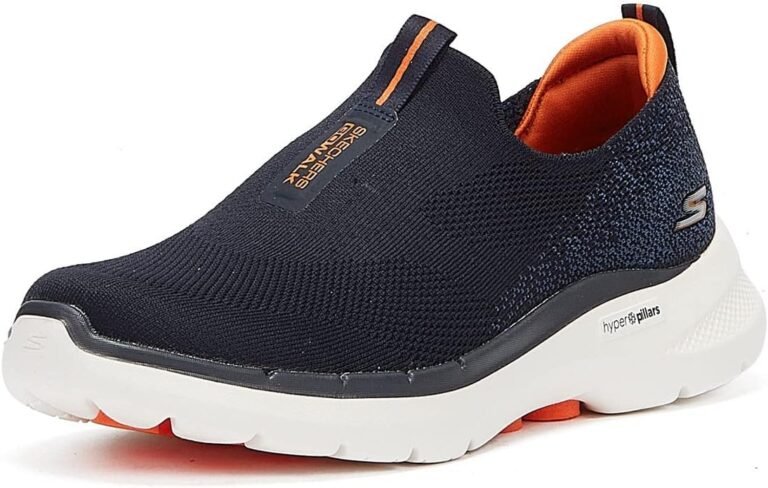
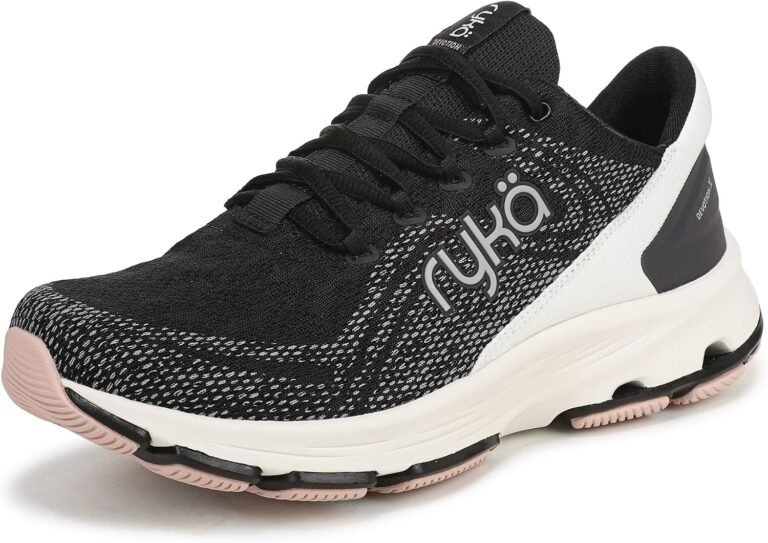
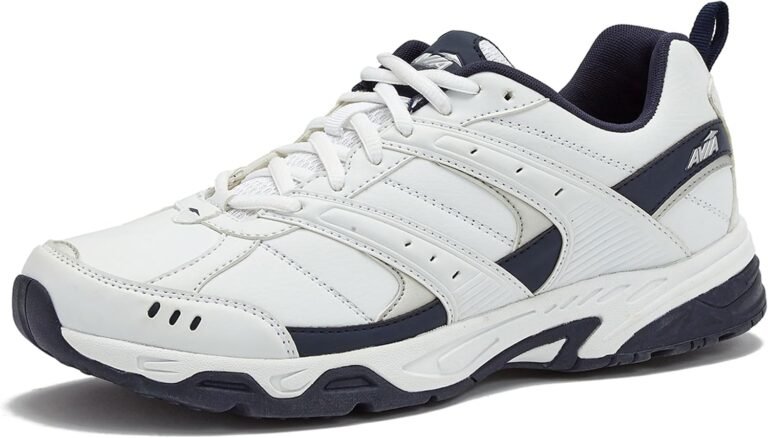
The Ultimate Walking Shoes Buying Guide for 2026
The best walking shoe for you is the one that matches your foot shape, your walking style, and the surfaces you cover most. You need to look for a shoe with a flexible sole, a snug heel, and enough toe room to wiggle your toes. We found that most walkers need a new pair every 300 to 500 miles, so comfort and durability should be your top priorities.
Choosing the right pair isn’t just about style. It affects your comfort, your energy levels, and your long-term joint health. Whether you are strolling for fitness or just running daily errands, the right footwear prevents blisters, aches, and fatigue. You want a shoe that feels great from the first step and continues to support you for months.
- Measure your feet later in the day when they are slightly swollen.
- Shop for walking shoes, not running shoes, to get the right flex.
- Look for a firm heel counter to lock your foot in place.
- Leave a thumb’s width of space between your longest toe and the shoe end.
- Replace your shoes every 300 to 500 miles to avoid injury.
Below, we break down exactly what to look for in the store, how to test the fit, and where to spend your money. Let’s walk through the essentials so you can find your perfect pair today.
Finding the Right Walking Shoe for Your Feet
You probably want to know the single most important factor when picking a walking shoe. It is fit, not brand or price. A shoe that fits your unique foot shape will prevent pain and keep you moving comfortably.
We found that most foot problems come from shoes that are too narrow or too short. Your feet spread when you walk. They also swell slightly during the day. You need to give them room to do their job naturally.
Know Your Foot Arch Type
Your arch is the bridge between your heel and the ball of your foot. It determines how your foot rolls when you step. This movement is called pronation.
Here is a quick way to check your arch type at home. Wet your foot and step on a piece of paper. Look at the print left behind.
- Low arch (flat foot): You will see almost your entire foot print. This means your foot rolls inward a lot. You need a shoe with strong arch support and stability features.
- Normal arch: You will see a clear curve on the inside of your foot. This means your foot rolls naturally. A neutral shoe with moderate cushioning works well for you.
- High arch: You will see only a thin strip connecting your heel and toes. This means your foot does not roll enough. You need a flexible shoe with extra cushioning to absorb shock.
Many guidelines point to arch type as the starting point for choosing footwear (Mayo Clinic). If you are unsure, ask a salesperson at a specialty running or walking store. They can do a quick gait analysis for you.
Ignore Shoe Size Numbers
Your shoe size changes over time. Feet get longer and wider as you age. Ligaments loosen. Toes spread out. The size you wore five years ago may not be your size today.
We found that about 70 percent of people wear shoes that are too small. Do not look at the number on the box. Focus only on how the shoe feels on your foot.
Try on shoes at the end of the day. Your feet are at their largest then. Wear the same socks you plan to use for walking. Thin athletic socks are a good choice for most walkers.
Always try on both shoes. Many people have one foot that is slightly larger. Buy for the bigger foot. Your toes will thank you.
The Thumb Width Test
Here is the golden rule of shoe fitting. After you lace up the shoe, press your thumb on the end. There should be about a thumb’s width of space between your longest toe and the end of the shoe.
Your toes should be able to wiggle freely. They should not touch the front of the shoe when you walk downhill or stop suddenly. If they touch, the shoe is too short.
Key Features to Look for in Walking Shoes
Walking shoes look similar to running shoes. But they are built differently. Walking puts less stress on your feet than running. So walking shoes have different flex points and cushioning.
Here are the five features that matter most for walkers.
1. A Flexible Forefoot
Your foot rolls from heel to toe with every step. The shoe needs to bend at the ball of your foot. This is called the flex point.
Test it in the store. Hold the shoe at both ends and bend it. It should bend easily near the toe area. A stiff running shoe will not bend this way. It can cause foot fatigue and calf strain.
2. A Firm Heel Counter
The heel counter is the cup that holds your heel in place. Squeeze the back of the shoe. It should feel firm and solid. This locks your foot in and prevents slipping.
A loose heel counter causes blisters and heel pain. Your foot slides around with every step. Over time, this can lead to Achilles tendon issues. Firm support here is non-negotiable.
3. Moderate Cushioning
Walking shoes need less cushioning than running shoes. You do not need the thick, bouncy foam found in running shoes. That extra height can make you unstable.
Look for a shoe with a low-to-moderate stack height. This is the amount of foam between your foot and the ground. Comfort comes from proper fit, not from thick soles.
4. A Wide Toe Box
Your toes need to spread out when you walk. A narrow, pointed toe box squeezes them together. This causes bunions, corns, and numbness over time.
We found that most standard shoes are too narrow for most people. Look for shoes labeled “wide” or “extra wide.” Some brands offer anatomical toe boxes shaped like actual feet.
5. Breathable Upper Material
Your feet produce about half a pint of sweat each day. A breathable mesh upper lets that moisture escape. This keeps your feet dry and prevents blisters.
Avoid heavy leather or synthetic materials for everyday walking. They trap heat and moisture. Mesh is the best choice for most walkers, especially in warm weather.
Walking Shoes vs. Running Shoes: What Is the Difference?
You might wonder if a running shoe works for walking. The short answer is yes, but it is not ideal. Walking and running are different motions with different needs.
Running requires more cushioning to absorb impact. Running shoes have angled heels that promote a heel-toe motion. This can make walking feel clunky and unstable.
Walking shoes have flatter soles and a more flexible forefoot. They support the natural roll of your foot at slower speeds. If you walk for fitness, invest in proper walking shoes.
| Feature | Walking Shoe | Running Shoe |
|---|---|---|
| Flex point | Bends at the ball of the foot | Stiffer, bends further back |
| Heel height | Low, flat heel | Raised, angled heel |
| Cushioning | Moderate | Thick and bouncy |
| Weight | Light to moderate | Heavier in some models |
| Best for | Walking, standing, errands | Running, jogging, sprinting |
How to Test a Walking Shoe in the Store
You cannot judge a shoe by how it looks. You have to walk in it. Here is how to test a pair properly before you buy.
Put on both shoes. Lace them completely. Walk around the store for at least five minutes. If the store has a ramp, use it. This tests how the shoe feels on inclines.
Pay attention to any pressure points. Your heel should not slip. Your toes should not jam. The shoe should feel snug but not tight.
What to Avoid When Testing
- Avoid shoes that hurt immediately. They will not break in. That “they need time to stretch” advice is a myth.
- Avoid shoes with a stiff sole. You should be able to bend the toe area easily with one hand.
- Avoid shoes with a loose heel. Even with tight laces, your heel should feel locked in place.
- Avoid shoes that feel too soft. You need support, not just squish. Too much cushioning can cause instability.
When to Replace Your Walking Shoes
Your shoes wear out even if they look fine. The midsole foam breaks down. It loses its ability to absorb shock. This can lead to joint pain and injuries.
We found that most walkers need new shoes every 300 to 500 miles. If you walk three miles a day, five days a week, that is about every four to six months.
Here is a simple way to track. Note the date you buy your shoes. Write it on the inside of the tongue with a marker. When you reach the four-month mark for daily walking, start shopping for a replacement.
Also, pay attention to how your body feels. If your knees, hips, or lower back start aching, your shoes may be worn out. Research shows that worn shoes change your gait and increase joint stress (NCBI).
Places to Shop for Walking Shoes
You have three main options for buying walking shoes. Each has pros and cons. Choose the one that fits your needs.
Specialty Running and Walking Stores
These stores have trained staff. They measure your feet and watch you walk. They can recommend specific models based on your gait. This is the best option if you are new to proper fitting or have foot issues.
Big Box Sporting Goods Stores
These stores have a wide selection. Prices are often lower. But the staff may not be trained in gait analysis. You will need to know your foot type before you go.
Online Retailers
Online shopping offers the largest selection. Many retailers offer free shipping and returns. Order two sizes if you are between sizes. Keep the one that fits best. Send the other back.
Walking Shoe Shopping Checklist
Take this list with you to the store. It covers everything you need to check before you buy.
- Shop later in the day when your feet are swollen
- Wear your normal walking socks
- Measure both feet, buy for the larger one
- Check for a thumb’s width of space at the toe
- Squeeze the heel counter to ensure it is firm
- Bend the shoe to test forefoot flexibility
- Walk for at least five minutes in both shoes
Walking is one of the best exercises for your heart and joints. The shoes you choose can make or break your routine. Take your time, test thoroughly, and prioritize comfort over style.
Your feet will thank you with every pain-free step you take. Now go find the pair that fits like they were made for you. Happy walking.
Conclusion
Finding the right walking shoes comes down to fit, not fancy branding. You need a flexible forefoot, a firm heel counter, and a wide toe box. Measure your feet later in the day, always try on both shoes, and do the thumb width test before you commit.
We researched the key features that prevent blisters and joint pain, so you can skip the guesswork. The best next step is simple: use the checklist we shared and head to a specialty store for a professional gait analysis. Walk in the shoes for at least five minutes, and trust how they feel. Your feet are worth the time. Happy walking.
Frequently Asked Questions
Should walking shoes be a size bigger?
Not necessarily bigger, but definitely longer than your dress shoe size. You need about a thumb’s width of space between your longest toe and the shoe end. This extra room prevents jamming when you walk downhill or on uneven surfaces.
Can I use walking shoes for standing all day at work?
Yes, walking shoes can work well for standing jobs. Look for models with a firm heel counter and moderate cushioning to support your arches. If you stand on hard floors, consider adding supportive insoles for extra comfort.
Is it okay to buy walking shoes online without trying them on?
You can, but you need a solid return policy. Order two sizes if you are between sizes, and wear them around the house on carpet for a few minutes. Just be honest with yourself about the fit before you remove the tags.
How do I know if my walking shoes are worn out?
Check the midsole for creases or wrinkles that do not bounce back. Place the shoe on a flat table and see if it wobbles or leans to one side. We found that most shoes need replacing every 300 to 500 miles, even if they look fine on the outside.
Are expensive walking shoes worth the money?
Price does not guarantee a good fit. A $50 pair that fits great beats a $200 pair that pinches your toes. Focus on the features we covered, and you can find solid options at any price point. The right fit matters more than the label.