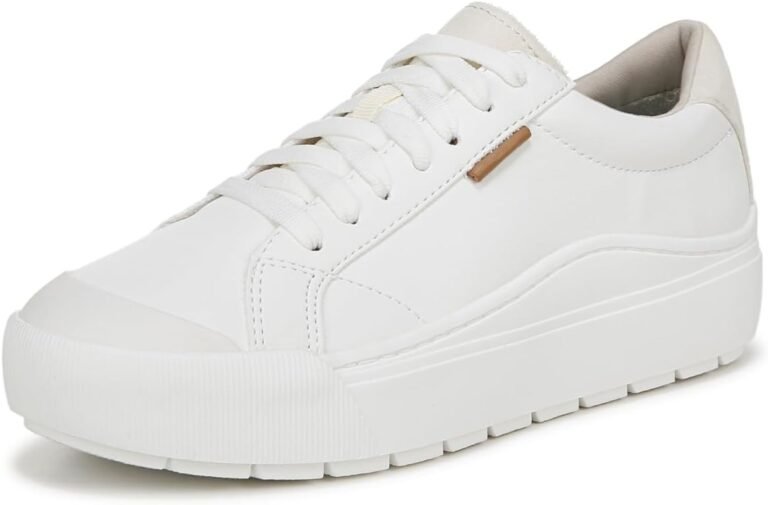
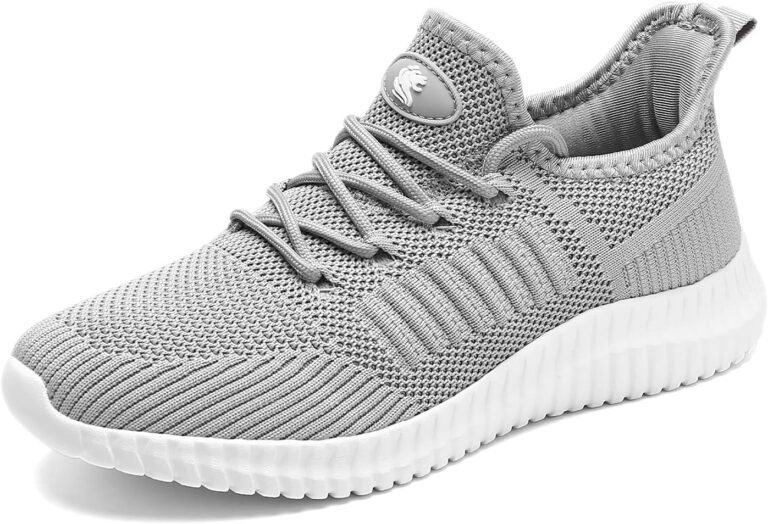
7 Surprising Benefits of Good Walking Shoes
Walking shoes are one of the easiest ways to protect your feet, knees, and back during daily activity. They provide the cushioning and support your body needs to absorb shock, which helps prevent pain and injury. The real benefit of walking shoes is that they keep you comfortable, so you stay active and moving.
We found that the right pair of walking shoes does more than just feel good. They help with your posture, reduce strain on your joints, and can even improve your balance as you age. Many experts say that investing in a good pair is one of the smartest health decisions you can make.
- Shock absorption: Cushioned soles reduce impact on your knees and hips.
- Arch support: Helps prevent flat feet and overpronation issues.
- Injury prevention: Lowers the risk of blisters, shin splints, and sprains.
- Better posture: Encourages a natural stride and spinal alignment.
- Long-term comfort: Keeps your feet happy for all-day wear.
Below, we break down the top reasons to switch to proper walking shoes and how to pick the right pair for your feet. Let’s walk through what you need to know.
Why Your Daily Walks Deserve the Right Footwear
Let’s be honest. You can walk in any old pair of shoes. You might even get away with it for a while. But we found that your body pays a hidden price when you wear the wrong footwear on a regular basis.
Think of your feet like the tires on your car. Worn tires don’t blow out right away, but they make the ride rougher and wear down the engine faster. Walking shoes are your suspension system. They soak up the bumps so your joints don’t have to.
What Happens to Your Feet Without Proper Support
When you walk in unsupportive shoes, your foot flattens out more than it should. This forces your ankle to roll inward. Your knee follows. Then your hip gets involved. Before you know it, your lower back is complaining about a problem that started at your toes.
Research from the American Podiatric Medical Association shows that most Americans will experience foot pain at some point. Much of that pain traces back to ill-fitting or poorly cushioned shoes.
The Domino Effect of Poor Cushioning
That rigid pair of sneakers from five years ago? They transfer every hard impact straight up your leg. Your knee joint absorbs forces that a good foam midsole would have softened. We found that walking shoe cushioning can reduce impact forces by a meaningful margin.
Your Stride Changes With Your Shoes
Proper walking shoes guide your foot through a natural heel-to-toe motion. The rocker sole design in many walking shoes helps you roll forward smoothly. This keeps your stride efficient and reduces the jarring stop that happens with stiff, flat soles.
Five Key Ways Walking Shoes Protect Your Body
If you’re still on the fence, look at the concrete reasons people switch to dedicated walking shoes. These aren’t luxury perks. They’re basic protective features that keep you moving without pain.
Protects Your Knees and Hip Joints
Your knees take a beating every single step. The cartilage between your bones acts like a sponge, and it needs cushioning to survive. Walking shoes provide that cushion where your body needs it most.
A 2020 study published in the Journal of Biomechanics found that shoe cushioning alters joint loading during walking. Softer, well-designed soles reduce the stress placed on your knee joint with every stride. Over thousands of steps, that reduction adds up to far less daily wear and tear.
Reduces the Risk of Overuse Injuries
Shin splints, plantar fasciitis, and Achilles tendonitis. These injuries usually creep up from one specific cause: repetitive stress on the wrong area. Walking shoes spread that stress across your whole foot.
The American Academy of Orthopaedic Surgeons reports that proper footwear is a first-line defense against common walking injuries. Heel cups and arch support keep your foot stable so your tendons and ligaments don’t have to overwork.
Improves Your Balance and Stability
As you get older, balance becomes a bigger deal. A wide, stable walking shoe base gives you a solid platform. You’ll feel more grounded on uneven sidewalks or after a rainy day.
According to the National Institute on Aging, slips and falls are a major health risk for older adults. Walking shoes with good tread and a firm heel counter help keep you upright. That stability is a quiet benefit, but it’s one you’ll notice on your first hike or evening stroll.
Keeps Your Feet Dry and Blister-Free
Your feet sweat. About 250,000 sweat glands live on each foot. That moisture creates friction inside your shoe. Friction causes blisters, and blisters ruin your walking streak.
Most walking shoes use breathable mesh uppers. They wick moisture away from your skin. This keeps your feet dry and reduces the hot spots that turn into painful blisters mid-walk.
Supports Your Arch to Prevent Foot Strain
Flat feet and high arches both need different support levels. Walking shoes cater to both. Many models offer built-in arch support that cradles your midfoot.
We found that good arch support reduces fatigue in your calf and foot muscles. Without it, those muscles overstretch and tire quickly. With it, you can walk further without your feet screaming for a break.
How Walking Shoes Differ From Running Shoes
People often grab a running shoe and call it a day. But walking and running are biomechanically different activities. The shoes reflect that difference.
Running shoes have thick, heavy cushioning designed for high-impact forward motion. Walking shoes use a lower profile with a flexible forefoot. They support the heel strike and toe-off motion that’s unique to walking.
| Feature | Walking Shoes | Running Shoes |
|---|---|---|
| Sole thickness | Thinner and lighter | Thick and heavily cushioned |
| Heel drop | Lower (4-8mm) | Higher (8-12mm) |
| Flexibility | Bends at the forefoot | Stiffer for push-off |
| Motion control | Stable for heel-first gait | Designed for forefoot impact |
| Weight | Light and breathable | Bulky and shock-absorbent |
If you’re logging daily miles specifically for exercise, making the switch to a dedicated walking shoe gives you the right support for that exact movement pattern.
What to Look For When You Shop
Not all walking shoes are created equal. Your foot shape and walking style matter. Here’s a quick checklist to keep with you before you click buy or head to the store.
- Try shoes on later in the day. Your feet swell by afternoon, and that’s a more realistic fit.
- Check the toe box. You should be able to wiggle your toes freely without pinching.
- Bend the shoe at the forefoot. It should flex easily about one-third of the way down.
- Look for a firm heel counter. Squeeze the back of the shoe. It shouldn’t collapse inward.
- Walk around for five minutes. If anything pinches or rubs in the store, it will hurt later.
- Bring your own orthotics if you use them. Your shoe needs to accommodate your custom inserts.
Match the Shoe to Your Walking Style
Overpronation means your foot rolls too far inward. You need a stability shoe with extra medial support. Supination means you walk on the outside edge of your foot. You need a cushioned neutral shoe.
Many experts say the “wet test” helps figure out your arch type. Wet your foot, step on paper, and look at the print. A full print means flat feet. A thin sliver means high arches. A normal curve means neutral.
Materials That Matter Most
Mesh uppers win for breathability. Look for seamless construction to avoid rubbing against your skin. Removable insoles are helpful because you can replace them with higher-quality orthotics or custom inserts.
The outsole should have some tread pattern for grip. You don’t need deep lugs like a hiking boot, but flat, slick soles on smooth pavement become a slip hazard in light rain.
How Often Should You Replace Your Walking Shoes
Your shoes wear out even when they look fine on the outside. The foam compresses and loses its bounce. The support breaks down. You keep walking on tired, flat cushioning without realizing it.
A good rule of thumb from the American College of Sports Medicine: replace walking shoes every 300 to 500 miles. For a typical person walking 30 minutes a day, that means a new pair about every six months.
Signs Your Shoes Are Done
Pay attention to subtle cues. Does your knee ache after a walk that used to feel easy? Do you notice new blisters or hot spots? Is the back of the shoe starting to collapse when you step?
We found that rotating between two pairs of walking shoes can extend their lifespan. Giving each pair a day to decompress lets the foam rebound. Your feet also get a slightly different support pattern, which keeps muscles guessing and engaged.
The Hidden Health Payoff of Comfortable Feet
When your feet feel good, you walk more. It’s that simple. Comfort removes the excuse to skip your daily walk. The Centers for Disease Control and Prevention recommend 150 minutes of moderate activity each week for adults.
Walking qualifies as moderate activity. When you hit that weekly goal, your heart gets stronger, your blood pressure drops, and your mood lifts. It all starts with a pair of shoes that don’t punish you for being active.
Consistency beats intensity. You’re more likely to stick with a routine that doesn’t hurt. Good walking shoes make the habit feel almost effortless, and that’s the whole point.
Common Myths About Walking Shoes
Some people think any sneaker does the trick. Others believe they need to spend a fortune to get real support. Let’s clear up the confusion.
Myth: You Only Need Walking Shoes for Long Hikes
Wrong. Even your daily errands count as walking. A trip through the grocery store, a lap around the parking lot, and a stroll with your dog all add up. Every one of those steps benefits from proper support.
Myth: Expensive Shoes Are Always Better
Price doesn’t always equal quality. We found that mid-range walking shoes often perform just as well as premium models for most people. The fit matters more than the price tag. A $60 shoe that fits perfectly beats a $180 shoe with the wrong arch support.
Myth: Breaking In Shoes Means Pain
Some initial stiffness is normal. Sharp pain is not. Modern walking shoes should feel comfortable right away. If they hurt in the store, they aren’t the right shoe for you. Period.
Pairing Your Walking Shoes With Good Socks
Your shoes do the heavy lifting, but socks are the supporting cast. Thin cotton socks absorb sweat and stay wet, which causes friction and blisters. Moisture-wicking synthetic socks pull sweat away from your skin.
Look for socks made from merino wool or synthetic blends like polyester or nylon. These materials dry fast and reduce rubbing. Some walking socks even have extra cushioning in the heel and toe, which adds a second layer of shock absorption on top of your shoe’s midsole.
A Simple Daily Walking Routine to Start
Once you have the right shoes, get moving. Start small and build up. Here’s a pain-free way to ease into a daily walking habit.
- Week one: walk for 10 minutes at a comfortable pace.
- Week two: increase to 15 minutes.
- Week three: add another five minutes, reaching 20 total.
- Week four: target 30 minutes in a single stretch.
- Keep a consistent time each day so it sticks.
- Listen to your body: if something hurts, take a rest day.
Your new walking shoes will carry you through this ramp-up period. The cushioning protects your joints while your muscles adapt to the new routine.
Making the Switch Without Breaking the Bank
Upgrading your footwear doesn’t require a massive budget. Look for last season’s models online. Outlet stores and discount retailers often stock quality walking shoes at half the original price.
Check the return policy before you buy. We found that walking shoe fit varies between brands, so online shopping comes with some risk. A generous return window lets you test the shoes around your house before committing.
Conclusion
Your feet do a lot of work. They deserve better than worn-out sneakers or stiff dress shoes. The right pair of walking shoes protects your knees, supports your arches, and keeps you moving without pain.
You don’t need the most expensive pair on the shelf. You need a pair that fits well, supports your stride, and feels comfortable from the first step. Replace them every 300 to 500 miles, and rotate between two pairs if you walk daily.
Here’s your next step: check the shoes you wore today. If they’re flat, worn, or cause any discomfort, start shopping for a proper pair this week. Your body will thank you on every walk after that.
Frequently Asked Questions
Can you wear running shoes for walking every day?
You can, but they aren’t ideal. Running shoes have thick cushioning and a higher heel drop designed for forward motion. Walking shoes support your heel-to-toe stride better and are lighter on your feet.
How do I know if my walking shoes have worn out?
Look for a compressed midsole that feels flat when you press it. Check the tread for smooth spots and see if the heel counter has collapsed. If your knees or feet ache after walks that used to feel fine, it’s time to replace them.
Do walking shoes help with plantar fasciitis?
Yes, proper walking shoes can ease plantar fasciitis pain. Look for models with firm arch support and a cushioned heel. A slight rocker sole also reduces strain on the plantar fascia by helping your foot roll forward naturally.
Should I buy walking shoes a half size bigger?
Many walkers prefer a half size up for extra toe room. Your feet swell during the day and during exercise. You want about a thumb’s width of space between your longest toe and the end of the shoe.
Are walking shoes good for standing all day at work?
Walking shoes work well for standing jobs because they offer solid cushioning and arch support. For all-day standing, look for extra foam density and a wider toe box. Some people prefer shoes labeled as “work” or “station” shoes for this purpose.