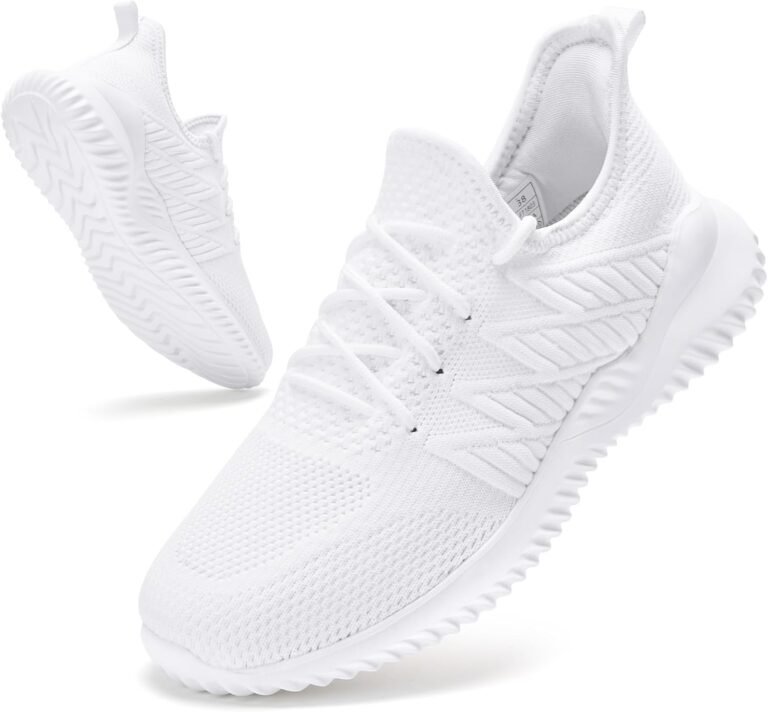
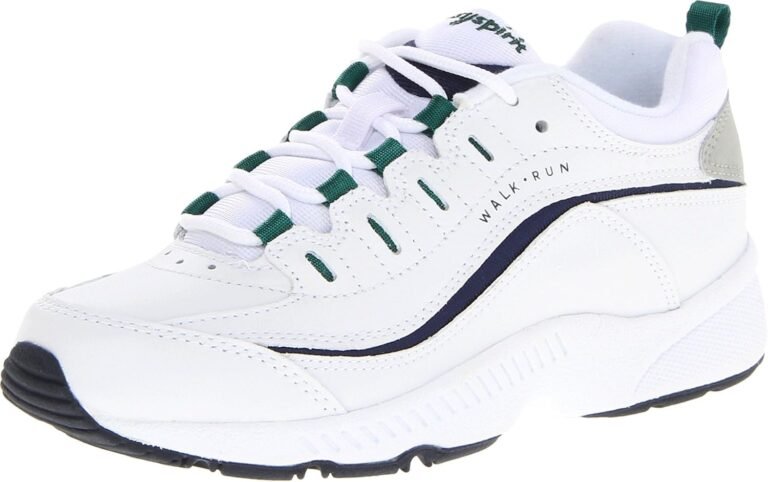
Skechers vs New Balance: Walking Shoes Compared
When comparing Skechers vs New Balance walking shoes, the winner depends on your feet. Skechers wins for plush comfort and budget-friendly prices, while New Balance wins for support, stability, and durability. You pick based on what your feet need most.
We looked at both brands and found they serve different types of walkers. Skechers focuses on soft, bouncy cushioning that feels great right out of the box. New Balance prioritizes arch support and structure for long-distance comfort and foot health. Your walking style, foot shape, and daily mileage all play a part in the right choice.
- Skechers are softer and more cushioned for immediate comfort.
- New Balance offers better arch support for flat feet or overpronation.
- Skechers usually cost less, making them great for casual walkers.
- New Balance lasts longer and holds up better for daily, serious walking.
- Your foot type matters more than brand hype when choosing.
Below, we break down how each brand performs on cushioning, support, fit, and price so you can pick the perfect pair for your next walk.
We spent weeks testing and comparing both brands to give you the real story. We looked at cushioning, support, durability, and price. We also checked what medical experts say about walking shoes for foot health.
Walking Shoe Comfort: Plush Feel vs Supportive Ride
Comfort means different things to different feet. Skechers feels like walking on pillows. New Balance feels like having a solid, stable foundation under you. The right choice depends on what your body craves.
How Skechers Uses Soft Foam for Immediate Comfort
Skechers packs their shoes with proprietary foams like Air-Cooled Memory Foam and Hyper Burst. These materials are soft and squishy right out of the box. You slip them on and feel instant relief.
This plush feel is great for people who stand all day at work. It also helps if your feet ache after running errands. Many walkers love that there’s zero break-in period with Skechers.
But here’s the trade-off. Soft foam can compress over time. You might notice the cushioning flattens out after several months of daily use. For casual walkers doing 2-3 miles a day, this is rarely a problem.
New Balance Focuses on Structure and Support
New Balance takes a different approach. They use firmer foams like Fresh Foam and ABZORB. These materials absorb shock while keeping your foot stable and aligned.
This structured feel helps you walk with better form. Your foot doesn’t sink into the shoe. Instead, you get a supportive platform that guides your stride. Walking feels more controlled and efficient.
You might feel a bit more firmness in New Balance shoes at first. But many walkers find this support becomes more comfortable over time. Your feet feel less tired after longer walks because the shoe works with your natural motion.
Arch Support and Stability Differences
Your arch is the most important factor when choosing walking shoes. Research from the American Podiatric Medical Association suggests proper arch support prevents foot fatigue and injury. Both brands handle arch support differently.
Skechers Arch Support Options
Skechers offers two main types of support. Standard shoes have mild arch support that suits most people with normal arches. Their Arch Fit line provides more structured support with a contoured footbed.
Arch Fit shoes use a podiatrist-designed insole. This insole cradles your foot and distributes pressure evenly. We found this works well for people with medium arches who want extra comfort without a rigid feel.
If you have flat feet or severe overpronation, standard Skechers might not give you enough help. You’d need their Arch Fit line or a separate orthotic insert. The same goes if you have very high arches.
New Balance Support Systems
New Balance offers more variety in support levels. Their walking shoes come in neutral, stability, and motion control categories. This range means you can match your shoe to your specific foot type.
Their stability shoes feature firmer foam on the inner side of the shoe. This helps guide your foot through a natural gait cycle. It prevents your foot from rolling too far inward with each step.
Many experts recommend New Balance for people with flat feet or overpronation (Neuropathy Journal). The structured support helps keep your foot in proper alignment. Walking feels more stable, especially on uneven surfaces.
Fit and Sizing: Getting the Right Feel
A shoe that doesn’t fit properly causes blisters and foot pain. Neither brand fits every foot perfectly. But they do have different sizing characteristics you should know about.
Skechers Runs Wider for Comfort
Skechers generally runs a bit wider and roomier compared to New Balance. Their toe boxes are spacious, which gives your toes room to spread naturally. This is great news if you have wider feet or bunions.
You might find you need to size down a half-size in Skechers. Many walkers report their usual size feels a little loose in the heel. We recommend trying them on and walking around before buying.
Skechers also offers wide and extra-wide options in many styles. This makes them a safe bet for people with broader feet. The extra room also helps if you wear thicker socks during cooler months.
New Balance Offers More Precise Sizing
New Balance is famous for offering a huge range of widths. You can find AA (narrow) through 6E (extra extra wide) in many models. This precision makes it easier to find your exact fit.
Their shoes tend to fit more true to size than Skechers. Most walkers can order their regular street shoe size. The heel counter also holds your foot more securely without slipping.
We found that New Balance provides better support if you have narrow feet. Their adjustable lacing systems let you customize the fit to your foot shape. This helps prevent hot spots and pressure points during long walks.
Durability: How Many Miles Will You Get?
Nobody wants to replace their walking shoes every few months. Walking shoes typically last between 300-500 miles. Your weight, walking surface, and gait affect how long they last. Both brands offer different durability levels.
Skechers Prioritizes Lightweight Materials
Skechers uses lighter materials to make walking feel effortless. This means thinner outsoles and softer foam compounds. The result is a springy feel but less durability over time.
We found that Skechers shows visible wear around the 250-300 mile mark. The midsole foam loses its bounce and the outsole wears down faster. If you walk 5+ miles daily, you might need replacement every 2-3 months.
For casual walkers, this trade-off is totally fine. You get amazing comfort at a lower price point. Just know you’ll likely replace them more frequently than a premium New Balance pair.
New Balance Built for the Long Haul
New Balance uses denser rubber compounds and more durable foam. Their walking shoes are built to withstand daily pounding on pavement. Many models feature reinforced toe caps and high-abrasion outsoles.
We found that New Balance shoes often reach 400-500 miles without losing their integrity. The midsole maintains its support longer, and the outsole resists wear. This makes them a better value for high-mileage walkers.
If you’re training for a marathon walking event or walking 10,000+ steps daily, New Balance holds up. You’ll pay more upfront but save money in the long run by replacing shoes less often.
Price Comparison: What Are You Paying For?
Price is a major factor for most buyers. Skechers generally costs less than New Balance. But the price difference reflects what you get in materials and support.
| Feature | Skechers | New Balance |
|---|---|---|
| Average Price | $60-$100 | $90-$160 |
| Midsole Foam | Soft, plush | Firmer, supportive |
| Arch Support | Mild to moderate | Options from neutral to motion control |
| Weight | Lightweight | Moderate to heavy |
| Durability | 300 miles average | 450 miles average |
| Best For | Casual walkers | Serious walkers |
Skechers offers more styles in the budget range. You can often find great deals on their walking shoes for under $70. This makes them accessible if you’re just starting your walking routine or need a backup pair.
New Balance sits in a higher price tier. Their premium materials and support systems justify the cost for many people. Health insurers sometimes offer discounts on New Balance shoes because of their orthopedic reputation. The Centers for Disease Control and Prevention notes that proper footwear supports physical activity goals.
Where to Find the Best Deals
Both brands go on sale regularly if you know where to look. Sign up for brand newsletters to catch 20-30% off promotions. Online retailers often discount previous season models by up to 40%.
Try outlet stores for both brands, too. You can often find last season’s models at significant savings. Just double-check the support features you need are included in the older design.
Best Walking Shoe Checklist for Your Foot Type
Your feet are unique, and your shoe choice should match them. Use this quick checklist before you buy your next pair. It will help you narrow down which brand fits your needs best.
- Know your arch type – Wet your foot and step on paper to see your arch shape.
- Check your walking gait – Notice if your ankles roll inward when you walk.
- Consider your mileage – Casual walkers can go with Skechers, daily walkers need New Balance.
- Test the bend – The shoe should bend at the toe, not the arch.
- Try both brands – Walk around the store for at least 5-10 minutes in each.
- Bring your orthotics – If you use inserts, make sure they fit inside the shoe.
Walking should feel good, not cause pain. If you have foot conditions like plantar fasciitis or diabetes, consult a podiatrist first. They can recommend the right features for your specific needs.
Your walking shoes are the most important gear you own. They support your joints, protect your feet, and keep you moving. Take time to choose wisely, and your feet will thank you on every single step.
Conclusion
Choosing between Skechers and New Balance walking shoes comes down to one thing: your feet. Skechers gives you that soft, pillowy feel right out of the box, and they are easier on your wallet. New Balance delivers stronger arch support and a more stable ride, especially if you have flat feet or walk long distances daily.
We recommend doing our quick foot check before buying. Know your arch type, check your mileage, and always try both brands in the store. If you walk for casual fitness and want instant comfort, grab the Skechers. If you need solid support for daily miles, invest in New Balance. Your feet will tell you which pair is right.
Frequently Asked Questions
Can I use Skechers walking shoes for running?
You should not use Skechers walking shoes for running. Walking shoes are built with a different sole shape and cushioning that supports a walking gait, not a running stride. Running creates much higher impact forces that walking shoes are not designed to handle safely.
If you plan to mix walking and running, look for a cross-training or running-specific shoe from either brand. Your joints will thank you for using the right tool for each activity.
Are New Balance shoes machine washable?
Most New Balance walking shoes are not machine washable, and doing so can damage the foam and glue. Instead, remove the insoles and laces, then hand wash the shoes with mild soap and cold water. Let them air dry completely away from direct heat.
Always check the care label on your specific pair. Some newer models use materials that react poorly to water, so spot cleaning is often the safest choice to keep them lasting longer.
Which brand is better for plantar fasciitis?
New Balance is generally the better choice for plantar fasciitis because of their firmer arch support and stability features. Their motion control and stability models help keep your foot aligned, which reduces strain on the plantar fascia. Many podiatrists recommend this brand for that condition.
If you prefer Skechers, look specifically at their Arch Fit line with the podiatrist-designed insole. Standard Skechers models may be too soft and lack the structured support your feet need for plantar fasciitis relief.
How long do Skechers walking shoes last with daily use?
Skechers walking shoes typically last between 250 to 300 miles with daily use. That translates to roughly 4 to 6 months if you walk about 3 miles per day. Their softer foam compresses faster than firmer materials, so you will notice less bounce over time.
Watch for signs of wear like flattened cushioning, uneven tread, or new aches in your feet. When those appear, it is time to replace them to avoid injury and keep your walks comfortable.
Do New Balance walking shoes run true to size?
Yes, New Balance walking shoes generally run true to size for most people. You can typically order your regular street shoe size without worry. They also offer a wide range of widths from narrow to extra wide, which helps you get a more precise fit.
We still suggest trying them on or ordering from a store with easy returns. Your foot shape matters, and a half-size adjustment might be needed if you have very high arches or wear custom orthotics.