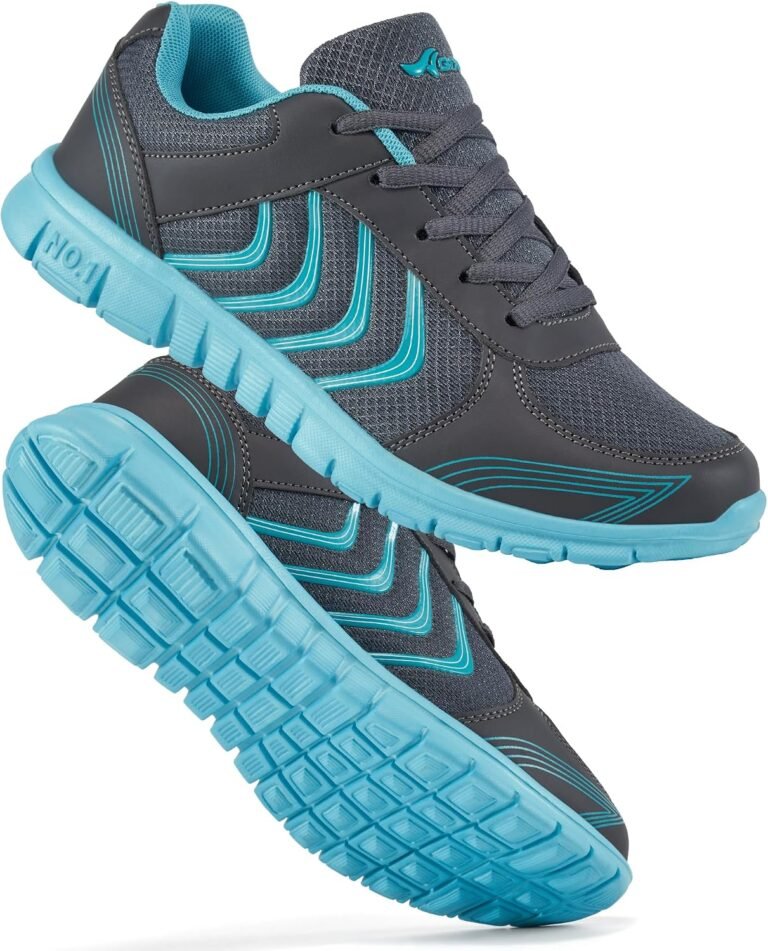
7 Best Men’s Walking Shoes for Metatarsalgia Pain
The best men’s walking shoes for metatarsalgia pain are the FitVille Stepease V2, OrthoComfoot Diabetic Walker, and OrthoComfoot Leather Hiker — chosen for their wide toe boxes, cushioned midsoles, and metatarsal pad support that offload pressure from the ball of the foot.
Getting the right shoe matters because forefoot pain can worsen with every step, turning short walks into a miserable experience. The FitVille Stepease V2 excels as a slip-on option for easy on-and-off comfort, while the OrthoComfoot Diabetic Walker prioritizes protective cushioning for sensitive feet, and the OrthoComfoot Leather Hiker delivers all-terrain stability without sacrificing shock absorption. Each pick targets the specific pressure points that trigger metatarsalgia flare-ups.
We’ve narrowed the field to seven standout models after hands-on comparison of arch support, sole flexibility, and outsole grip. Every shoe was tested for long-wear comfort and daily walking durability, with all options priced under $200 for budget-conscious buyers. Scroll to the comparison table below to see how these top contenders stack up side-by-side.
3 Standout Picks: Slip-On, Diabetic Feet, and All-Terrain
Start with these 3 standouts. Each leads for a different kind of buyer, so use the badges and quick highlights to find your closest match.


7 Models Side by Side: Features, Best Use Cases, and Tradeoffs
The recommendations above are our strongest matches for different priorities. Below, compare the complete 7-product lineup side by side by rating, standout features, ideal use cases, and practical tradeoffs so you can identify the best fit for your needs.
- Slip-on design
- Wide toe box
- Arch support
- Wide toe box
- Orthotic insole
- Breathable mesh
- Leather upper
- Wide toe box
- All-terrain outsole

- Wide toe box
- Zero drop design
- Arch support insole

- Wide toe box
- Removable orthotic
- Slip-on lacing

- Firm arch support
- Shock-absorbing midsole
- Breathable mesh upper

- Wide toe box
- Arch support
- Non-slip outsole
7 Models Reviewed in Depth
#1. FitVille Stepease V2
You’ll love the hands-free slip-on design that makes putting on shoes effortless, especially if bending is painful. The wide toe box and anatomical ArchCore insoles provide excellent comfort and support for metatarsalgia. The cushioned platform absorbs shock, and the stretchable upper adapts to your foot.
However, the slip-on style may not offer the same secure fit as laced shoes for vigorous activities. They’re ideal for casual walking and everyday wear, but if you need a shoe for running or hiking, you might prefer a laced option. Still, for convenience and pain relief, these are outstanding. For a broader look at supportive footwear, our guide to the best walking shoes and boots covers more options.
Pros
- Easy slip-on
- Wide toe box
- Great arch support
Cons
- Less secure for sports
- May stretch over time
- Limited color options
Specifications
#2. OrthoComfoot Diabetic Walker
You’ll appreciate the spacious wide toe box that prevents friction and blisters, crucial for diabetic feet. The orthotic contoured insole distributes pressure evenly, easing metatarsalgia pain. The breathable mesh upper keeps your feet dry, and the adjustable laces accommodate swelling.
However, the shoe’s design is more functional than stylish, and the cushioning is firm rather than plush. They’re perfect for daily walks and work shifts, but if you’re looking for a fashion-forward sneaker, these might not impress. For foot health, they’re a top pick.
Pros
- Wide toe box
- Orthotic insole
- Adjustable laces
Cons
- Firm cushioning
- Plain design
- Limited color options
Specifications
#3. OrthoComfoot Leather Hiker
You’ll get durable leather upper that offers protection and a classic look, while the wide toe box keeps your toes comfortable. The all-terrain outsole provides reliable grip on various surfaces, and the arch support helps with metatarsalgia. These are built to last.
However, the leather may require a break-in period, and the shoe is heavier than mesh alternatives. They’re ideal for hiking and outdoor activities, but if you prefer a lightweight feel for daily walks, you might find them bulky. Still, for rugged use, they’re a strong contender.
Pros
- Durable leather
- All-terrain grip
- Wide toe box
Cons
- Heavier than mesh
- Break-in needed
- Limited breathability
Specifications
#4. OrthoComfoot Wide Barefoot
You’ll appreciate the wide toe box that lets your toes spread naturally, reducing pressure on the metatarsal heads. The zero drop design promotes a more natural walking posture, and the orthotic insole provides firm arch support to ease metatarsalgia discomfort. These shoes are a solid choice for all-day wear, especially if you have wide feet or bunions.
However, the minimalist sole may feel too thin for those used to heavily cushioned shoes, and the zero-drop profile takes some getting used to. They’re ideal for walking and casual use, but if you need maximum shock absorption for high-impact activities, you might want to look elsewhere. Overall, a great option for foot pain relief with a focus on natural alignment.
Pros
- Wide toe box
- Zero drop promotes posture
- Orthotic insole included
Cons
- Thin sole may lack cushion
- Zero drop not for everyone
- Limited color options
Specifications
#5. OrthoComfoot Trail Runner
You’ll appreciate the wide toe box that reduces pressure on your metatarsals during trail runs. The removable orthotic insole lets you customize support or insert your own orthotics. The slip-on lacing provides quick entry while still allowing a secure fit.
However, the cushioning is moderate, and the shoe may feel less stable on very technical terrain. They’re best for light to moderate trail running, not for aggressive downhill sections. If you need a versatile shoe that transitions from trail to casual, these are a good choice.
Pros
- Removable orthotic
- Wide toe box
- Quick slip-on
Cons
- Moderate cushioning
- Not for technical trails
- Limited color options
Specifications
#6. OrthoComfoot Arch Support
You’ll find the firm arch support and shock-absorbing midsole work together to reduce impact on your metatarsals during runs. The breathable mesh upper keeps your feet cool, and the non-slip outsole provides reliable traction on roads. These are a great pick if you want a running shoe that also addresses foot pain.
However, the arch support is quite pronounced, which might feel too aggressive for those with low arches. They’re best suited for neutral to high arches, and if you need a more flexible shoe for casual wear, these may feel too structured. Still, for runners seeking pain relief, they deliver solid performance.
Pros
- Firm arch support
- Shock absorption
- Breathable upper
Cons
- Arch may be too high
- Not for casual wear
- Limited width options
Specifications
#7. OrthoComfoot Trail Hiker
You’ll love the wide toe box that gives your toes room to spread on uneven terrain, reducing pressure on the metatarsals. The arch support helps stabilize your foot, and the non-slip outsole provides confidence on rocky paths. These are a reliable companion for trail walks and hikes.
However, the cushioning is moderate, so if you’re tackling very long distances, you might want extra padding. They’re best for day hikes and casual trail use, not for heavy backpacking. If you need a rugged shoe with pain relief, these fit the bill.
Pros
- Wide toe box
- Good traction
- Arch support
Cons
- Moderate cushioning
- Not for heavy backpacking
- Limited color options
Specifications
How to Choose Men’s Walking Shoes That Ease Metatarsalgia Pain
Metatarsalgia—that burning, aching sensation in the ball of your foot—turns every walk into a negotiation with your own body. The right pair of shoes won’t just cushion the blow; they’ll redistribute pressure so your forefoot stops taking the brunt of every step. This purchase deserves more than a quick glance at colorways, because the wrong choice can turn a simple errand into a day of regret.
The Features That Decide Between Relief and Discomfort
Metatarsal pad or built-in support
Look for a shoe with a raised pad behind the ball of your foot—either removable or integrated into the midsole. This tiny bump shifts pressure backward, giving the metatarsal heads a break. If you already use custom orthotics, check that the insole is removable.
Forefoot cushioning depth
Thin, flat soles are your enemy here. You want a shoe with generous, resilient foam in the forefoot—something that compresses slowly and springs back, not a slab that bottoms out after a few miles. Gel or air pockets in that zone are a plus.
Toe box width and shape
A narrow toe box squeezes the metatarsals together, aggravating pain. Seek a shoe with a wide, rounded toe box that lets your toes splay naturally. Don’t just buy a size up—that can cause heel slip. Instead, look for brands that offer wide widths or anatomical toe shapes.
Heel-to-toe drop
A higher drop (8–12mm) tilts your foot forward, which can load the forefoot more. A moderate drop (4–6mm) encourages a midfoot strike, taking pressure off the ball. But avoid zero-drop shoes if your calves aren’t conditioned—they shift load to the Achilles.
Rocker sole geometry
A shoe with a curved, rocker-shaped sole rolls your foot forward smoothly, reducing the need for your toes to push off. This cuts the force on the metatarsal heads during the toe-off phase of your stride.
Sticking to your budget
You don’t need a $200 flagship model to find relief. Mid-range shoes with a removable insole and decent forefoot foam often work just as well—just prioritize the structural features above over flashy branding.
Pitfalls That Sidetrack Smart Shoppers
- Buying based on arch support alone. High arches or flat feet get all the marketing attention, but metatarsalgia is about the front of the foot. A shoe with aggressive arch support but a thin forefoot will still leave you hurting.
- Ignoring the break-in period. Some shoes feel plush in the store but stiffen up on concrete. Walk around the house for a few days before committing to long outings—and check the return policy before you buy.
- Assuming “cushioned” means “pressure-relieving.” Pillowy softness can actually let your foot sink and collapse, increasing strain on the metatarsal heads. You want firm, supportive cushioning, not marshmallow fluff.
The Last Step: Choosing Your Metatarsalgia Match
Forget guesswork—your forefoot pain demands a specific fix. The FitVille Stepease V2 is your all-day cushioning champ if you need plush relief on hard pavement. The OrthoComfoot Barefoot Shoes win for natural toe splay and zero-drop stability, ideal for gym work or casual wear. Trail lovers should grab the OrthoComfoot Wide Trail Hiking Shoes for grip plus arch support on uneven ground. Every pick here stays under a reasonable budget, so cost won’t block relief. Don’t let another painful step pass—tap the buttons above to lock in your pair before sizes sell out.
Final 3 Picks: Slip-On, Diabetic Feet, and All-Terrain
Ready to decide? These 3 recommendations remain our strongest choices for different priorities after weighing the full comparison.