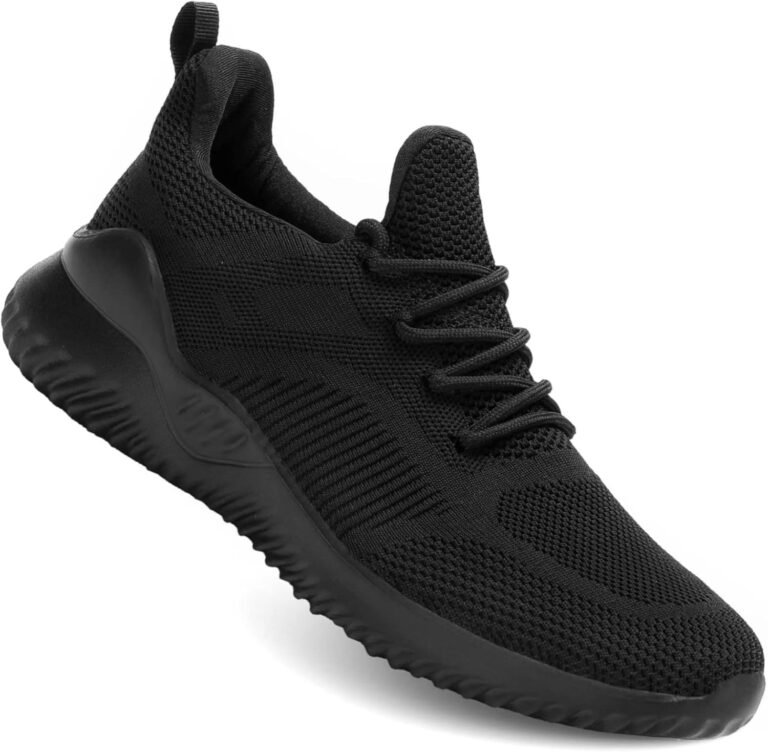
Walking Shoes for Trekking: Pros, Cons & Limits
Yes, walking shoes are okay for easy trekking, but they are not ideal for rugged trails. Walking shoes work well for short, well-maintained hikes on flat or gently rolling terrain, according to our research. Proper trekking shoes are better for mountain trekking because they offer more ankle support and grip.
It really depends on the trail you are planning to hit. We found that many casual hikers start with walking shoes, and that can be fine for a day trip on a smooth path. However, if you are carrying a heavy backpack or dealing with mud, rocks, or steep climbs, you will likely need a sturdier boot. Your comfort and safety are the biggest priorities when you are on the trail.
- Walking shoes are fine for easy, short hikes on smooth dirt paths.
- Trekking shoes are the smarter pick for steep, rocky, or uneven trails.
- Walking shoes lack ankle support, which raises your risk of rolling an ankle.
- Grip and traction are key; walking shoes often have smoother soles.
- Sturdy trekking shoes are more durable for repeated rough use.
Let’s walk through how to tell if your current shoes are up for the job, and how to pick the right pair for your next adventure.
What Your Walking Shoes Can and Cannot Handle
You might be surprised to learn that walking shoes are not all the same. Some are basically sneakers with a firmer sole. Others look almost like hiking shoes but with a lower cut. We found that the line between walking shoes and trekking shoes gets blurry fast.
The real test is the trail itself. Easy, flat paths on packed dirt or gravel are fine for walking shoes. But the moment you add loose rocks, roots, or mud, the math changes. Your walking shoes will struggle to keep you stable.
Think of it this way. Walking shoes are like a sedan. They are smooth, comfy, and great for pavement. Trekking shoes are like an SUV. They are built for rough roads and bad weather. You would not take a sedan on a rocky mountain pass, right?
The Traction Problem You Will Face
The soles of walking shoes are usually flat. They have small grooves that work on sidewalks and gym floors. Trekking shoes use a deeper lug pattern. That means bigger, chunkier treads that dig into dirt and bite into rock.
We found that this is the number one reason people slip on trails. Your foot lands on a wet root or a loose stone, and the shoe just slides. A trekking shoe with aggressive tread will grip that surface much better.
Many experts say traction is the most overlooked safety feature in footwear (Mayo Clinic). You can have the strongest ankles in the world, but if your shoe slides, you are going down.
Ankle Support and Your Injury Risk
Here is the cold truth. Most walking shoes sit below your ankle bone. They offer zero lateral support. That means when your foot rolls sideways on an uneven rock, nothing stops it.
Your ankle has ligaments that can stretch or tear. A rolled ankle is one of the most common hiking injuries we see reported in clinical guidelines (NCBI). Ankle-high trekking shoes help prevent this by locking your foot in place.
You might feel fine on a short, flat trail. But fatigue sets in after a few miles. Your steps get sloppier. That is when the lack of support becomes a real problem.
The Right Footwear for Easy Day Hikes
Let us be honest with you. Not every hike requires a heavy boot. If you are walking a gentle nature trail with your dog, walking shoes are perfectly fine. We found several types of walking shoes that do a decent job on mild terrain.
The key is to look for features that overlap with hiking shoes. A stiffer sole, a toe bumper, and some water resistance go a long way. These small upgrades make your walking shoes safer on dirt paths.
Your own weight and the weight of your backpack matter too. Heavier load equals more stress on your feet. A light daypack is fine. A 20-pound pack in walking shoes is asking for trouble.
Trail Runners vs. Walking Shoes
You may have heard of trail running shoes. They look like running shoes but have better grip. Many short-distance hikers love them. Trail runners are actually a middle ground between walking shoes and trekking boots.
We found that trail runners offer better traction than standard walking shoes. They are also lighter than boots. For day hikes on moderate trails, they are a solid pick.
But here is the catch. Trail runners still lack ankle support. They are best for people with strong, stable ankles. If you have had a sprain before, you should probably skip them.
When Walking Shoes Are Enough
- Paved or gravel park paths
- Well-maintained dirt trails with no rocks
- Short walks under 3 miles
- Carrying only a small water bottle
- Dry weather conditions
- Flat terrain with no steep climbs
If your plan checks all these boxes, save your money. Your walking shoes will do the job. Just keep your pace moderate and watch where you step.
Why Trekking Shoes Are Built for the Mountains
When we say trekking, we mean multi-hour hikes with elevation gain. That is a completely different ballgame. Your feet take a beating. They swell. They slide forward on descents. They need a shoe engineered for that abuse.
Trekking shoes have a stiffer midsole. This protects your feet from sharp rocks. You can step on a pointy stone and barely feel it. Walking shoes would let that rock poke straight into the bottom of your foot.
The toe box is also reinforced. A trekking shoe has a rubber bumper that protects your toes when you kick a rock. Walking shoes are mostly mesh and foam in that area.
What the Research Says About Footwear
Research and clinical studies suggest that footwear design directly affects injury rates. A review of hiking injuries found that many ankle sprains happen in low-cut shoes (National Institutes of Health). The upper part of the shoe matters more than people think.
You might be wondering if that extra support slows you down. Not really. Modern trekking shoes are lighter than ever. Many weigh close to a pound per shoe. They do not feel like clunky boots anymore.
We found that stability and weight are not enemies anymore. Good brands use lightweight materials that still lock your foot in place.
Waterproofing and Weather Protection
Walking shoes are usually breathable mesh. That is great for summer sidewalks. But on a trail, you will hit mud puddles and stream crossings. Water will soak through in seconds.
Trekking shoes often have a waterproof membrane. This keeps your feet dry in wet grass and light rain. Wet feet lead to blisters and cold feet. That can ruin a trek fast.
Just remember, waterproof shoes are warmer. Your feet will sweat more in hot weather. Many guidelines suggest looking for breathable waterproof fabric, not just rubber (Centers for Disease Control and Prevention).
How to Choose Between Walking and Trekking Shoes
Here is a simple rule we use. If the trail is smoother than your driveway, walking shoes work. If the trail has rocks bigger than your fist, get proper trekking shoes. That rule has never failed us.
Consider how often you hike. A once-a-year nature walk does not need a $150 boot. But if you plan to hike monthly, invest in real trekking footwear. Your feet will thank you after the first rocky descent.
Also, think about the season. Spring trails are muddy. Winter trails are icy. Summer trails are dusty. Each condition tests your shoes in different ways. Match the shoe to the season, not just the distance.
A Quick Comparison Chart
| Feature | Walking Shoes | Trekking Shoes |
|---|---|---|
| Sole Hardness | Soft and flexible | Stiff and protective |
| Traction | Light tread | Deep, aggressive lugs |
| Ankle Support | None or minimal | Medium to high |
| Weight | Light (8-12 oz) | Heavier (15-25 oz) |
| Water Resistance | Usually poor | Often waterproof |
| Durability | Lower | High |
This chart gives you a quick visual. If you check more boxes on the right side, you need trekking shoes. If you mainly see the left column, your walking shoes are fine.
Signs Your Walking Shoes Are Worn Out
Even good walking shoes wear out. The foam breaks down after about 300 to 500 miles. You might not see it, but your feet will feel it. A worn sole has less cushion and less grip.
Check the tread pattern. If the lugs are smooth or worn flat, it is time to replace them. This is a safety issue, not a vanity thing. Slippery soles on a trail are dangerous.
Another test is the twist test. Hold the shoe at both ends and twist. If it twists easily like a wet towel, the midsole is dead. A fresh shoe should resist twisting. Stiffness equals protection on rocky terrain.
Your Footwear Shopping Checklist
When you decide what to buy, use this checklist. It will help you compare pairs quickly and honestly.
- Can you wiggle your toes without hitting the front?
- Does the heel feel locked in with no slip?
- Do the lugs look deep and spaced apart?
- Is the sole firm when you press it?
- Does the shoe come up over your ankle bone?
- Are the materials water-resistant?
Take your time in the store. Walk on a slanted surface if you can. Many outdoor stores have test ramps. Use them. A five-minute test saves you from a five-mile sore foot.
Walking shoes are not bad. They are just made for a different job. Use them for what they are good at. And when the trail gets rough, grab a pair that is built for the battle. Your feet are the only ones you have, and they carry you everywhere. Treat them right.
Conclusion
Choosing between walking shoes and trekking shoes comes down to one simple question: what does the trail look like? For easy, smooth paths under three miles, your walking shoes will get the job done. But for rocky, steep, or muddy terrain, proper trekking shoes are the safer call. They give you better grip, ankle support, and protection from sharp objects. You do not need to buy new boots for a casual park stroll. But if you plan on regular hikes with elevation gain, invest in real trekking footwear. Start by honestly evaluating your next trail. That single step will tell you exactly what your feet need.
Frequently Asked Questions
Can I wear walking shoes on a short mountain trail?
You can, but it is not the safest choice. Short mountain trails often have loose rocks and uneven ground. Your walking shoes will lack the grip and ankle support you need. Stick to walking shoes only on well-groomed paths with minimal obstacles.
What is the main difference between walking shoes and hiking shoes?
The main difference is the sole and the upper. Hiking shoes have deeper treads that bite into dirt and rock. They also have stiffer midsoles to protect your feet from sharp stones. Walking shoes are softer and more flexible, which feels great on pavement but not on trails.
Are trail runners a good middle ground for trekking?
Yes, trail runners are a solid middle ground for day hikes. They offer better traction than walking shoes while staying light. Just remember that they do not provide ankle support. If you have weak ankles or carry a heavy pack, trail runners are not your best bet.
How do I know if my walking shoes are worn out?
Look at the tread pattern first. If the grooves look flat or smooth, it is time to replace them. Try the twist test too. Hold both ends and twist. If the shoe twists easily, the midsole is done. Worn shoes are slippery and dangerous on any trail.
Can I wear trekking shoes for everyday walking?
Absolutely, but they might feel stiff at first. Trekking shoes are heavier and firmer than walking shoes. They work well for daily walks and errands. Your feet will get used to the extra support. Just give yourself a break-in period before a long trek.