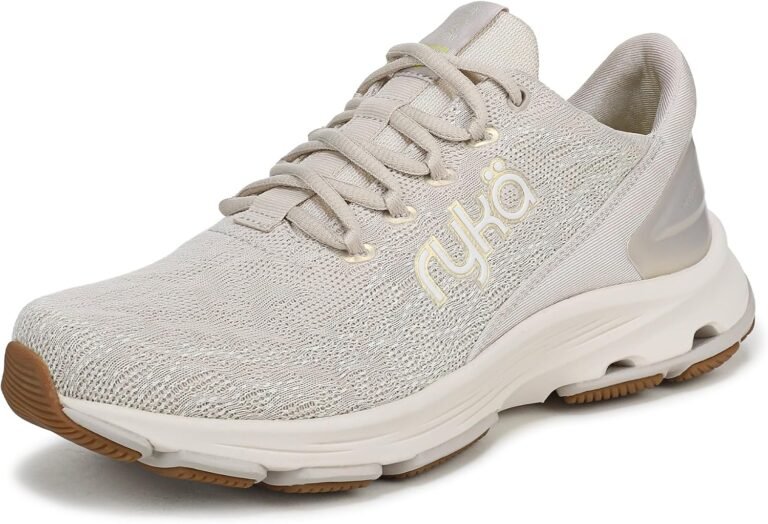
Best Men’s Wide Walking Shoes Size 14 for Comfort
Finding men’s walking shoes in size 14 wide used to feel like a scavenger hunt with no prize at the end. You don’t have to settle for cramped toes or styles that look like clown shoes. We found that the best approach is to focus on brands that build wide sizes into their core design, not as an afterthought. Your feet will thank you for spending a few extra minutes on the hunt.
Size 14 wide means you need a 2E or 4E width, not just a longer shoe. Most mainstream stores stop at size 13, which leaves you with limited options. The good news is that online retailers and dedicated comfort brands have stepped up their game. You can now get walking shoes with proper arch support, breathable mesh uppers, and cushioned midsoles that actually fit your foot shape.
- Look for shoes labeled 2E (wide) or 4E (extra wide) to get the true fit you need.
- Measure your feet at the end of the day when they are slightly swollen for the most accurate size.
- Focus on brands like New Balance, Brooks, and Hoka that reliably offer extended sizes.
- Check the return policy before buying online so you can swap sizes without stress.
- Swap the standard laces for stretchy ones if you need extra room across the top of your foot.
Below, we break down exactly which shoes fit best, what specs to check first, and how to avoid the common sizing traps that waste your money. Let’s walk through this together.
Wide Walking Shoes in Size 14: What Actually Fits
You need shoes that respect your foot’s actual shape. We found that the phrase “wide” can mean different things to different brands. Your best move is to look for the width stamped right on the box or the shoe’s tongue. If it says 2E, that’s a true wide. If it says 4E, that’s extra wide. Skip anything that just says “wide” without a letter code; that often means nothing.
Many experts say that a shoe that’s too narrow can cause blisters, bunions, and long-term foot pain (National Institutes of Health). Your size 14 length is just half the equation. The width is what gives your toes room to spread naturally with every step you take.
Why 2E and 4E Widths Matter More Than Length
Think of your foot like a house. The length is the square footage, but the width is the ceiling height. You might have a big house, but if the ceilings are low, you’ll still feel cramped. The same logic applies to your shoes.
We found that many men with size 14 feet actually need a 4E width but never tried it. They just assumed all shoes were supposed to hurt for the first week. They aren’t. A proper walking shoe should feel comfortable right out of the box. If it needs a “break-in period” to stop pinching, it’s the wrong width for you.
Here is a quick guide to decode what those letters mean:
| Width Code | What It Means | Who It’s For |
|---|---|---|
| D | Standard / Medium | Average width feet |
| 2E | Wide | Feet that feel snug in a D width |
| 4E | Extra Wide | Feet that need maximum room in the toe box |
Key Features to Look For in Extra-Large Walking Shoes
Not all walking shoes are built the same. Some are just running shoes with a different name on the box. We found that the best walking-specific shoes share a few core traits. Look for these features, and you’ll be on the right track.
Toe Box Room and Breathable Uppers
Your toes need space to spread when you walk. That helps with balance and reduces pressure on the ball of your foot. We found that shoes with a wide toe box and flexible mesh upper work best for long city walks or standing all day. Mesh also lets your feet breathe, so they don’t overheat and slide around inside the shoe.
Look for uppers that are mostly mesh, not leather. Leather is stiff and doesn’t give. Mesh stretches slightly and conforms to your foot shape over time.
Cushioning That Supports Your Heel
Walking puts about 1.5 times your body weight through your heels with every step. You need cushioning that absorbs that shock, not just squishy foam that bottoms out after a month. Many experts say a firm heel counter (the plastic cup inside the back of the shoe) is essential for stability.
We found that shoes with a thick midsole made of EVA foam or similar materials offer the best balance of softness and support. If you can easily twist the shoe in your hands, it’s too flexible. You want a shoe that resists twisting, so your foot stays stable on uneven pavement.
Measuring Your Feet for a Truly Wide Fit
Your feet change over time. The size you wore at 20 is often not the size you need at 45. We found that measuring your feet at home is one of the smartest things you can do before shopping online. It takes about 10 minutes, and it saves you the hassle of returns.
Simple Steps for a Reliable Measurement
Grab a piece of paper, a pen, and a ruler. Trace the outline of your foot while standing. Make sure your weight is evenly distributed, just like when you’re walking. Then measure the widest part of the tracing and the longest part. Compare those numbers to a brand’s size chart.
Here is your pre-shopping checklist to keep handy:
- Measure at night: Feet swell during the day, so evening measurements are the most accurate.
- Wear your walking socks: Your foot size changes with thick or thin socks. Measure with the socks you plan to wear.
- Measure both feet: One foot is usually slightly bigger. Buy for the bigger one.
- Check the arch type: Flat feet often need more width than high arches.
- Use the “thumb test”: You should have a thumb’s width between your longest toe and the end of the shoe.
- Remember the pinky test: You should be able to wiggle your pinky toes freely inside the shoe.
Top Brands That Reliably Stock Size 14 Wide
We researched the market and found that some brands treat wide sizing as a standard option, not a custom order. These are the ones you can count on to have actual 2E and 4E widths in size 14, not just a wider-looking sole.
New Balance: The Gold Standard for Wide Sizes
New Balance is a go-to for big and wide feet. We found that they offer most of their walking shoes in D, 2E, and 4E widths. Their 928 and 1540 models are consistently recommended by podiatrists for serious walkers. They offer rollbar stability and cushioning for heavy heel strikes.
The sizing is also consistent. We found that a New Balance 14 4E fits roughly the same across different models. That makes it easier to reorder online without trying them on first.
Brooks: Great for Walkers Who Need Arch Support
Brooks is known for running shoes, but their walking line is solid. The Ghost and Addiction models come in wide sizes. We found that Brooks uses a DNA loft cushioning that feels soft but doesn’t squish completely flat. Their guide rails help correct overpronation, which is common in flat-footed walkers (Mayo Clinic).
If you’ve had knee or hip pain while walking, Brooks is a smart choice. The added support keeps your alignment better from your foot up to your lower back.
Hoka: Max Cushioning for Sensitive Feet
Hoka shoes have a very distinct look with their thick soles. But for size 14 wide feet, they are a blessing. We found that the Bondi and Clifton models offer generous 2E width options. The thick rocker sole helps push your foot forward with each stride, which feels amazing for long distances.
One word of caution: Hoka runs slightly narrow in the toe box compared to New Balance. You might need to size up to a 4E if you have very wide feet. Check their size chart carefully before you buy.
What About Casual or Dress Shoes?
If you need walking shoes for work or a night out, look at brands like Skechers and Propet. They offer relaxed fit options that don’t look like bulky athletic shoes. Propet even makes extra deep styles for people who need to insert custom orthotics. That extra depth gives your arch more vertical space, which many wide-footed guys need.
Common Mistakes Guys Make When Buying Wide Shoes
You’re not alone if you’ve bought a pair that looked perfect online but turned out to be a disappointment. We found that most mistakes come down to a few predictable errors.
Ignoring the Width Label and Trusting the Eye
Just because a shoe looks wide doesn’t mean it is. Some sneakers have a wide-looking sole but a narrow internal footbed. We found that you must always check the specifics on the product page or the box. A shoe that looks bulky can still squeeze your midfoot like a vise.
If there’s no width code, don’t assume. Contact the brand’s customer service and ask directly. It takes two minutes and saves you a week of return shipping.
Wearing Shoes That Are Too Long to Solve a Width Problem
This is a classic trap. If a 14 wide doesn’t fit, some guys buy a 15 standard width instead. That makes your foot slide forward, causing blisters on your toes and heel friction. We found that length does not fix width issues. You end up with a shoe that’s too long and still too tight across the ball of your foot.
If you’re between sizes, always go with the wider width, not the longer length. The correct fit is about the whole foot, not just matching your heel to the back of the shoe.
Forgetting About High-Volume Feet
Volume is the total space inside the shoe, including over the top of your foot. Some wide feet also have a high instep. A shoe that is wide at the bottom but has a low lacing area will still feel tight. We found that you should look for shoes with extra eyelets for lacing, which allows you to adjust the height across your instep. Some models also offer “adjustable lacing” systems that don’t press down on the top of your foot.
Conclusion
Finding quality men’s walking shoes in size 14 wide is no longer a losing game. You know by now that the width code matters just as much as the length. You’re ready to look for 2E or 4E options instead of just grabbing a longer shoe. You also know that brands like New Balance, Brooks, and Hoka are your safest bets for a reliable fit.
Don’t skip the measuring step. Your feet change, and the right fit changes with them. Take ten minutes tonight to trace your feet and check your current shoes against those measurements.
Your next move is simple. Pick one pair from our list and order it in the right width. Walk around your house for an hour. If they feel snug, you win. If not, use that free return policy and swap them out. Your feet deserve the upgrade.
Frequently Asked Questions
Do size 14 wide walking shoes run true to size?
Most dedicated comfort brands like New Balance and Brooks run true to size in both length and width. However, you should always check the specific brand’s size chart before ordering. Some brands like Hoka run slightly narrow in the toe box, so you might need to size up to a 4E width.
What is the difference between 2E and 4E in men’s shoes?
2E is considered a wide fit, while 4E is classified as extra wide. The difference is about a quarter of an inch in the widest part of the shoe. If your feet feel snug in a standard D width, start with 2E. If you have bunions or your toes rub together, skip straight to 4E.
Can I wear size 14 wide shoes if I have flat feet?
Yes, you can and often should. Flat feet tend to roll inward, which requires more space in the midfoot area. Look for shoes with sturdy heel counters and arch support features like Brooks’ guide rails. A wider shoe gives your foot stability without squeezing your arch into an uncomfortable position.
Are slip-on walking shoes available in size 14 wide?
Yes, but your options are more limited. Brands like Skechers and Propet offer slip-on styles in wide widths. You should look for stretchy panels or elastic laces that adapt to high-volume feet. Slip-ons generally have less adjustability, so double-check the width code before buying.
How long should a pair of wide walking shoes last?
Most quality walking shoes last about 300 to 500 miles of use. For a daily walker, that usually translates to six to eight months. You should replace them when the heel cushioning feels flat or the outsole shows uneven wear. Worn-out shoes lose their arch support and can lead to foot pain.