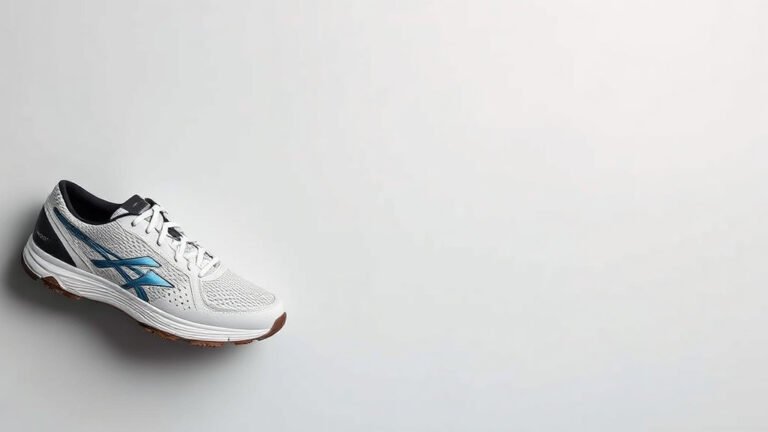
How to Keep White Walking Shoes Clean and Bright
The fastest way to keep white walking shoes clean is to spot-clean them after every single wear with a soft brush and a simple soap-and-water paste. This daily 2-minute habit stops dirt from setting in and keeps your sneakers looking fresh for months. You don’t need fancy products or special equipment to get great results.
We found that most people wait until their shoes are visibly dirty, which makes the job much harder. The truth is that daily maintenance beats deep cleaning every time. By tackling scuffs and stains early, you protect the fabric and the white rubber from turning dingy. This simple approach saves you time, money, and the frustration of ruined kicks.
- Clean daily: Wipe off dirt with a dry brush or cloth right after you take them off.
- Use basic supplies: Dish soap, baking soda, and a toothbrush handle most messes.
- Skip the washing machine: It can warp the shape and make white shoes look worse.
- Air dry only: Keep them out of direct sunlight, which causes yellowing.
- Protect before you wear: A water-repellent spray makes future cleaning effortless.
Below, we break down exactly how to keep your white walking shoes looking brand new, from quick daily routines to tackling stubborn stains. Let’s walk through the best methods step by step so you can get back to enjoying your walks without worrying about your shoes.
Your Everyday White Shoe Cleaning Routine
The trick to keeping white walking shoes clean is treating them like a cast iron skillet. You don’t deep clean it every time. You just wipe it out and keep it ready for the next round. We found that a quick 2-minute cleanup after each walk prevents 90% of the heavy-duty scrubbing later.
Dirt and dust are abrasive. When they sit on the mesh or leather, they grind into the fibers as you walk. That is what makes white shoes look gray and dingy. Tackling the surface dust immediately stops that grinding process in its tracks.
Gather Your Simple Cleaning Kit
You do not need a shelf full of magic potions to keep your kicks bright. We found that the best supplies are probably already sitting in your kitchen or bathroom cabinet. Stick to these basics:
- A soft-bristled toothbrush (an old one works great).
- A microfiber cloth or an old t-shirt.
- Mild dish soap (Dawn works well for cutting grease).
- Baking soda for tougher stains.
- Hydrogen peroxide for deep whitening (optional).
Keep this kit in a small bag by the front door. That way, you can brush off your shoes the second you take them off. We found that convenience is the biggest factor in whether people actually stick to the routine.
The 2-Minute Wipe Down
Start by knocking the heels together over a trash can. This loosens dry mud and pebbles. Then, take your dry toothbrush and brush the entire upper in one direction. You are just removing the loose surface dirt here, not scrubbing stains.
For the rubber soles, a quick wipe with a damp cloth works wonders. Most of the “dirt” on white shoes is actually just scuff marks on the rubber edge. A damp cloth lifts those marks instantly. We found that this daily habit alone keeps the silhouette looking crisp.
One thing to remember: never use a wet cloth on the mesh upper if you are in a hurry. Dampness can pull dirt deeper into the fibers if you rub too hard. Dry brushing is always the safer first step.
Deep Cleaning Methods for Stubborn White Shoes
Even with the best daily routine, you will eventually hit a stain that laughs at a dry brush. Grass stains, mud splatter, or just the general grime of summer travel happen. When that time comes, you need a stronger plan of attack.
We found that the washing machine is the enemy of white walking shoes. The tumbling action can warp the toe box and separate the glue that holds the sole on. Skip the machine entirely. A hand wash takes less time than you think and gives you total control over the pressure.
Creating the Ultimate Whitening Paste
For mesh and knit fabric, baking soda is your best friend. Mix two parts baking soda with one part water. You want a thick paste, like toothpaste. We found that adding a drop of dish soap to this mix helps break down body oils and sweat stains.
Apply the paste with your toothbrush using circular motions. Let it sit for about 15 minutes. This gives the baking soda time to lift the stain out of the fibers. Rinse with a damp cloth, then repeat if the stain is still visible.
Tackling Yellow Stains on Soles
Yellowing happens when the rubber oxidizes or when sweat seeps into the material. The paste above works for fabric, but rubber needs a different approach. We found that hydrogen peroxide works best for yellowed soles.
Pour a small amount of hydrogen peroxide directly onto the sole. Let it bubble and fizz for a few minutes. Then scrub with a firm brush and rinse. Many experts say that hydrogen peroxide is a safe oxidizer for most sneaker rubber, but you should always test a hidden spot first.
For heavy yellowing, try the “sunlight trick.” Apply your paste, then place the shoes in direct sunlight for a few hours. The UV rays naturally bleach the fabric. Be careful, though—prolonged sun can also dry out the glue, so keep it to a one-time treatment.
Dealing with Mud Stains Quickly
Mud is one of the easiest stains to remove if you handle it right. The golden rule is to let the mud dry completely first. Do not attack it while it is wet. Wet mud just smears deeper into the weave.
Once the mud is dry and flaky, tap the shoes together to knock off the big chunks. Then, use a stiff brush to remove the dust. If a faint mark remains, the baking soda paste will lift it out quickly.
Why Air Drying Is Non-Negotiable
Your walking shoes just went through a wash. You are in a hurry. You think, “I will just throw them in the dryer on low heat.” Stop right there. We found that heat is the number one cause of white shoes turning yellow.
The heat from the dryer causes the rubber to oxidize, which changes its color permanently. It also shrinks the fabric and melts the glue. The result is a warped, yellowed shoe that looks worse than the stain you were trying to remove.
Always air dry your shoes at room temperature. Crumple up some white paper towels and stuff them inside. This helps the shoes hold their shape and wicks moisture out from the inside. Replace the paper towels once they get damp.
The Paper Towel Stuffing Trick
Stuffing your shoes with paper towels serves two purposes. First, it speeds up drying by absorbing moisture from the inside. Second, it keeps the toe box from collapsing or creasing as it dries.
Use white paper towels only. The ink from newspaper or colored tissue can bleed onto the wet fabric. We found that this trick keeps your shoes looking box-fresh even after a heavy cleaning session.
Using Protective Sprays to Prevent Dirt
Prevention is the best part of any cleaning routine. A good water-repellent spray creates a barrier between your shoe and the dirt. We found that this is the secret weapon for people who walk on trails or in wet weather.
When you spray your shoes, the water beads up and rolls off. Dirt has a harder time sticking to a slick surface. This means your daily wipe-down becomes even easier. Many experts recommend applying a fresh coat every two to three weeks.
Make sure you apply the spray before you wear the shoes. Spray them while they are clean and dry. Hold the can about six inches away and cover the entire upper. Let them dry completely before stepping outside.
When to Reapply Your Protection
You will know it is time to reapply when water stops beading up on the surface. If the water soaks in like a sponge, the protective layer has worn off. This usually happens faster if you walk on abrasive surfaces like concrete.
We found that keeping a travel-sized spray in your bag helps for those rainy days. A quick refresh before a walk in the park can save you from a tough cleaning session later. It takes ten seconds and saves you ten minutes.
Quick Fixes for Scuffs and Scratches
Scuffs are the most annoying part of wearing white shoes. You brush against a curb and suddenly there is a gray streak on the toe. Do not panic. We found that most scuffs are just rubber transfer, not actual damage.
A magic eraser sponge is the fastest fix for scuffs on the rubber sole. Just wet it slightly and rub the scuffed area. The sponge acts like fine sandpaper and lifts the transferred rubber right off. Use gentle pressure so you do not remove the white finish.
Cleaning White Shoelaces Without Removing Them
Shoelaces collect dirt faster than any other part of the shoe. They drag near the ground and pick up everything. We found that you can clean them without unlacing your shoes if you are in a pinch.
Mix a drop of dish soap with warm water. Dip a cloth in the mixture and wrap it around the lace. Pull the lace through the cloth like you are shining a belt. This wipes the grime off without the hassle of re-lacing.
For a deep clean, take the laces out and soak them in a bowl of warm water and baking soda for 30 minutes. Rinse and air dry. This is one of the few times you can use hot water safely, since laces are usually made of cotton or polyester.
Your White Shoe Care Checklist
You have the knowledge. Now you need a simple routine to follow. We put together this checklist to keep you on track. Print it out or save it to your phone. Stick to it, and your walking shoes will stay bright and fresh.
- Brush off loose dirt immediately after each walk with a dry brush.
- Wipe the rubber soles with a damp cloth to remove scuff marks.
- Treat visible stains with a baking soda paste within 24 hours.
- Air dry your shoes at room temperature—never use a dryer.
- Reapply a water-repellent spray every two to three weeks.
- Deep clean your shoes once a month to maintain the bright white color.
When to Replace Your White Walking Shoes
There comes a time when no amount of cleaning will save your shoes. If the fabric is tearing, the sole is separating, or the cushioning is flat, it is time to let go. Cleaning cannot fix structural damage. When it’s time to replace worn-out shoes, our roundup of the best walking shoes and boots can help you pick a durable pair.
Walking shoes have a lifespan of about 300 to 500 miles. If you walk daily, that is roughly every six to eight months. We found that many people try to stretch this timeline, but worn-out shoes can cause foot pain and injuries.
Pay attention to how your feet feel after a walk. If your knees or arches ache more than usual, your shoes are telling you something. Cleaning them keeps them looking good, but it does not restore the support your feet need.
Keep your cleaning routine simple and consistent. Your shoes will look great, and your feet will feel great. That is a win-win for every step you take.
Conclusion
Keeping your white walking shoes clean really comes down to a simple daily habit. A quick dry brush-off after every walk stops dirt from grinding into the fabric. That one small step saves you from heavy scrubbing later.
Use basic supplies you already own, skip the washing machine, and always air dry. Protect your shoes with a water-repellent spray so future messes are easier to handle. These small actions add up to weeks of fresh-looking kicks.
Start your new routine tonight. Grab an old toothbrush and a cloth, set them by the door, and commit to a 2-minute wipe-down after tomorrow’s walk. Your white shoes will thank you.
Frequently Asked Questions
Can I use bleach to whiten my white walking shoes?
We recommend avoiding bleach on most walking shoes. It is too harsh and can weaken the glue and fabric over time. Stick with the baking soda paste or hydrogen peroxide for safe whitening.
How often should I deep clean my white shoes?
You should deep clean them about once a month if you walk regularly. If you notice visible stains or the fabric looks dingy, bump it up to every two weeks. Daily spot cleaning reduces the need for frequent deep washes.
Will white shoe polish work on fabric walking shoes?
White shoe polish works best on leather or vinyl, not on mesh or knit fabric. It can clog the breathable weave and look chalky. Use the baking soda paste for fabric and reserve polish for smooth leather shoes.
Why did my white shoes turn yellow after washing them?
Yellowing usually happens when heat dries the rubber too quickly. This oxidizes the material and changes its color permanently. That is why we always stress air drying at room temperature, never the dryer or direct sun.
Can I put my white walking shoes in the freezer to remove odors?
Freezing does not actually kill the bacteria that cause shoe odor. It only temporarily slows them down. Wash the insoles with soapy water and let them dry fully to remove the real source of the smell.