Are Walking Shoes Good for Pickleball? Find Out
Yes, walking shoes are not good for pickleball once you start moving at real game speed. They lack the lateral support your feet need for quick side-to-side shuffles. Using them regularly can increase your risk of ankle rolls and foot pain.
Pickleball involves a lot of sudden stops, pivots, and lunges. Those moves push your foot sideways in ways a walking shoe isn’t built for. We found that court shoes or cross-trainers with a herringbone tread are a much safer choice. They give you the grip and stability to move confidently on the court.
- Walking shoes are too soft: They compress during quick lateral cuts, leading to instability.
- They lack a grippy court tread: The flat soles can slip on gym and hardcourt surfaces.
- You risk ankle injuries: The higher, cushioned feel allows too much roll on side moves.
- Court shoes are the fix: They have a stiffer sole and reinforced sides for lateral support.
- Save your shoes: Use running shoes for running and walking; use court shoes for pickleball.
Let’s walk through exactly how to choose the right footwear so you can play pain-free and avoid a trip to the doctor.
Why Walking Shoes Fall Short on the Pickleball Court
We found that the biggest issue comes down to how your foot moves. Walking shoes are made for a straight-line stride. You step forward, heel to toe, over and over again.
Pickleball is completely different. You lunge, you shuffle, and you change direction in a split second. That motion pushes your foot sideways. Your ankle rolls. Your shoe has to fight that roll for you.
Walking shoes simply don’t have the structure for that fight. They are built soft and flexible. That feels great for a stroll, but it is terrible for a lateral cut. When you push off sideways, the shoe compresses. You lose your footing, and your joints take the hit.
The Anatomy of a Walking Shoe vs. a Court Shoe
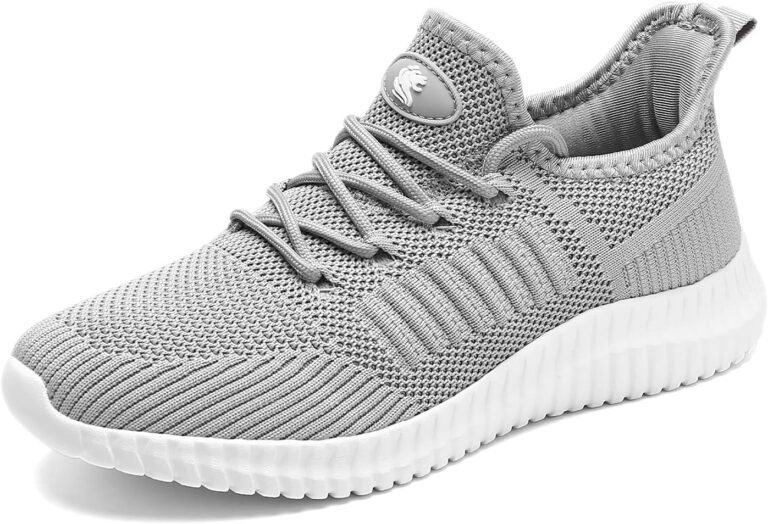
Take a look at the bottom of a walking shoe. The sole is flat. It has a lot of surface area for even pressure. Court shoes, on the other hand, use a herringbone tread pattern. Those little zig-zags grab the court surface like tiny teeth.
Walking shoes also have a heel that is often elevated. This pitch is designed to help you roll through your step. Court shoes have a lower, flatter profile. That keeps your center of gravity closer to the ground. It makes you more stable when you are pushing off the ball of your foot.
What Happens to Your Ankles
Picture a quick backhand volley. You plant your outside foot. You pivot. The force goes straight through the side of your shoe. A court shoe has a stiffer sidewall to block that force. A walking shoe just gives way.
That is how ankle sprains happen. Many sports medicine guidelines note that lateral ankle sprains are common in court sports due to sudden changes in direction (NIH). You are basically rolling the dice every time you make a cut in the wrong footwear.
The Real Risks of Playing in the Wrong Shoes
We are not just talking about comfort here. We are talking about injury prevention. Playing pickleball in walking shoes can lead to a few specific problems that will keep you off the court.
Ankle Sprains and Instability
This is the big one. When your shoe rolls, your ankle rolls. A twisted ankle can sideline you for weeks. It doesn’t matter how good your paddle game is. You can’t run on a swollen joint.
Foot Pain and Plantar Fasciitis
Walking shoes lack the arch support needed for multi-directional movement. When you push off sideways, your arch collapses a bit. Over time, this strains the plantar fascia. The result? A sharp heel pain in the morning that makes you hobble.
Knee and Hip Strain
Your foot is the base of your body’s chain. When your foot wobbles, your knee follows. Then your hip follows. We found that poor footwear contributes to poor alignment during lunges, which can aggravate old knee injuries.
Slipping and Falling
Dust on a court is slippery. Walking shoe soles are smooth. They were never designed to grip a freshly coated hard court. One quick stop can send you sliding like you are on a banana peel. That is how you end up with a wrist injury or a bruised tailbone.
How to Tell If You Need New Court Shoes
So, how do you know if you are ruining your walking shoes on the pickleball court? Look for these warning signs. If you check off most of them, it is time to buy court shoes.
- You feel your foot slide inside the shoe during side steps.
- You have to stop yourself from rolling your ankle on backhand shots.
- Your knees ache after a 30-minute game, but not after a long walk.
- You see smooth, worn spots on the bottom of your shoes from dragging.
- You catch your toe on the court surface when you shuffle.
- You feel like you are “glued” to the floor and can’t pivot.
What to Look For in a Proper Pickleball Shoe
Now that you know walking shoes are bad for pickleball, let’s talk about what is good. You don’t need to break the bank. You just need the right features.
Look for Court-Specific Shoes
Many experts say the best option is a dedicated indoor court shoe. These are designed for basketball, volleyball, and squash. They share the same movement patterns as pickleball. They will have the lateral support and the right sole pattern.
Check the Sole Pattern
Run your thumb across the bottom. You want a gripping texture, not a smooth one. The herringbone pattern is the gold standard for hard courts. It provides traction in every direction, not just forward and backward.
Test the Torsional Stability
Grab the shoe and try to twist it. If it folds in half like a taco, it is too flexible. You want the shoe to resist twisting. This stiffness transfers power from your legs to the floor without wasting energy on wobbly foam.
What About Cross-Trainers or Running Shoes?
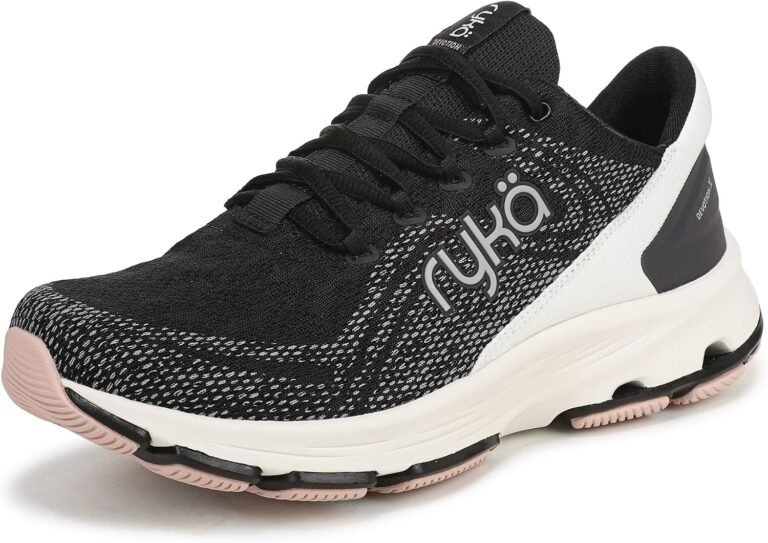
Running shoes are just as bad as walking shoes for pickleball. They are built for forward motion. The thick heel absorbs shock from heel strikes. On a court, that thick heel makes you unstable during side shuffles.
Cross-trainers are a middle ground. They are not as supportive as court shoes but better than running shoes. If you are playing once a month, a cross-trainer might work. If you play weekly, we found that a dedicated court shoe is worth the investment.
A Quick Comparison of Your Options
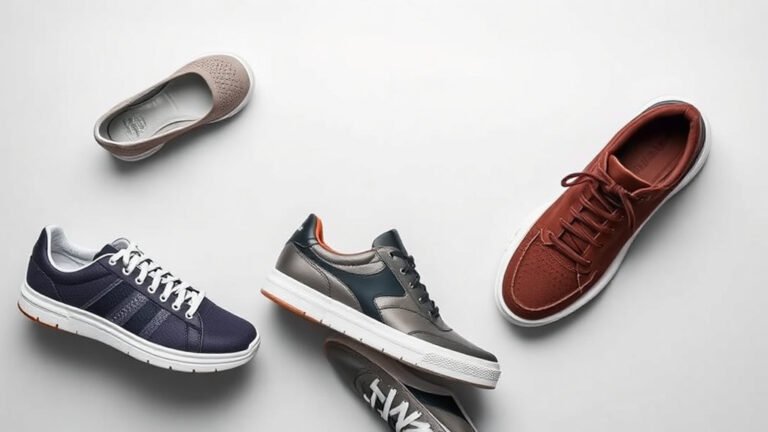
Here is a simple breakdown to help you decide what to lace up before your next game.
| Shoe Type | Lateral Support | Tread Grip | Best For |
|---|---|---|---|
| Walking Shoes | Poor | Poor | Casual strolls only |
| Running Shoes | Poor | Poor | Straight-line jogging |
| Cross-Trainers | Fair | Fair | Light gym workouts |
| Court Shoes | Excellent | Excellent | Pickleball and tennis |
How to Transition to Court Shoes Without Pain
If you are used to cushy walking shoes, a court shoe might feel stiff at first. That is okay. That stiffness is what keeps you safe.
Start with a Walk-In
Don’t wear your new court shoes for the first time during a tournament. Wear them around the house for an hour. Then wear them for a short practice drill. Let your feet get used to the firmer feel.
Wear the Right Socks
Pickleball is a hot sport. Your feet will sweat. Wear moisture-wicking socks. Thick cotton socks can bunch up and cause blisters inside a new tight shoe. Look for socks with extra cushioning in the heel.
Break Them In Gradually
Give yourself a couple of games to adapt. The courts are hard, and a new sole needs to mold to your foot shape. After a few sessions, they will feel like a natural extension of your body.
When to Replace Your Court Shoes
Court shoes do not last forever. The foam loses its bounce. The tread wears down flat. Playing in worn-out court shoes is almost as risky as playing in walking shoes.
We found that most court shoes need replacing after 6 to 12 months of regular play. If you play more than twice a week, lean closer to the 6-month mark. If you only play occasionally, they might last a year or two.
Here is a quick test. Press your thumb into the heel cushion. If it stays dented and doesn’t spring back, they are done. Also, check the toe drag. If you have worn a hole through the rubber, you are risking a catch on the court.
How to Extend the Life of Your Pickleball Shoes
You spent the money on good court shoes. You want them to last. Here are some habits that help.
Don’t Wear Them Off the Court
Walking on concrete tears up the soft rubber of a court shoe. Use your walking shoes for the parking lot. Swap into your court shoes when you hit the hard court surface. This simple switch can double the life of your sole.
Let Them Air Out
Stuffing sweaty shoes in a gym bag is a recipe for odor and broken-down glue. Take out the insoles. Let them dry overnight. Moisture breaks down the adhesives that hold the shoe together.
Use a Shoe Bag
A dedicated shoe bag keeps them separated from your paddle. It also prevents the sides from getting crushed under heavy gear. Keep the structure intact.
Conclusion
Your feet deserve better than a walking shoe when you step onto the pickleball court. We covered the main points: walking shoes lack lateral support, they slip on court surfaces, and they put your ankles at risk. Court shoes are built with stiffer soles, gripping tread, and reinforced sides that keep you stable during quick cuts.
You have a clear path forward. Stop using walking shoes for pickleball today. Take a look at your local sporting goods store and try on a pair of court shoes or cross-trainers. Your ankles, knees, and future games will thank you. You will notice the difference the first time you make a fast backhand volley without wobbling.
Frequently Asked Questions
Can I wear walking shoes for casual pickleball play?
If you are just hitting the ball around with friends for 10 minutes, walking shoes might feel fine. But even casual play involves side steps you do not expect. You are better off wearing court shoes from the start.
What is the difference between pickleball shoes and tennis shoes?
Pickleball shoes and tennis shoes are very similar. Both have lateral support and court-specific tread. Many players wear tennis shoes for pickleball without any issues. The main difference is that some pickleball shoes have extra cushioning in the heel for the back-and-forth motion of the game.
Are cross-training shoes good enough for pickleball?
Cross-training shoes work for light pickleball play. They offer more lateral support than walking shoes. But they do not have the same grip and stability as dedicated court shoes. If you play more than once a week, we recommend investing in proper court shoes.
How do I know if my walking shoes are damaged from pickleball?
Look at the soles. If you see worn spots on the sides or drag marks from shuffling, your shoes have taken a beating. Also check if the shoe feels crooked when you set it on a flat surface. Those signs mean the structure is broken down.
Can I use pickleball shoes for walking?
You can, but you should not. Court shoes have stiff soles that feel heavy and uncomfortable for walking long distances. Use them only on the court. Grab your walking shoes for everyday errands and strolls. That keeps both pairs in good shape.