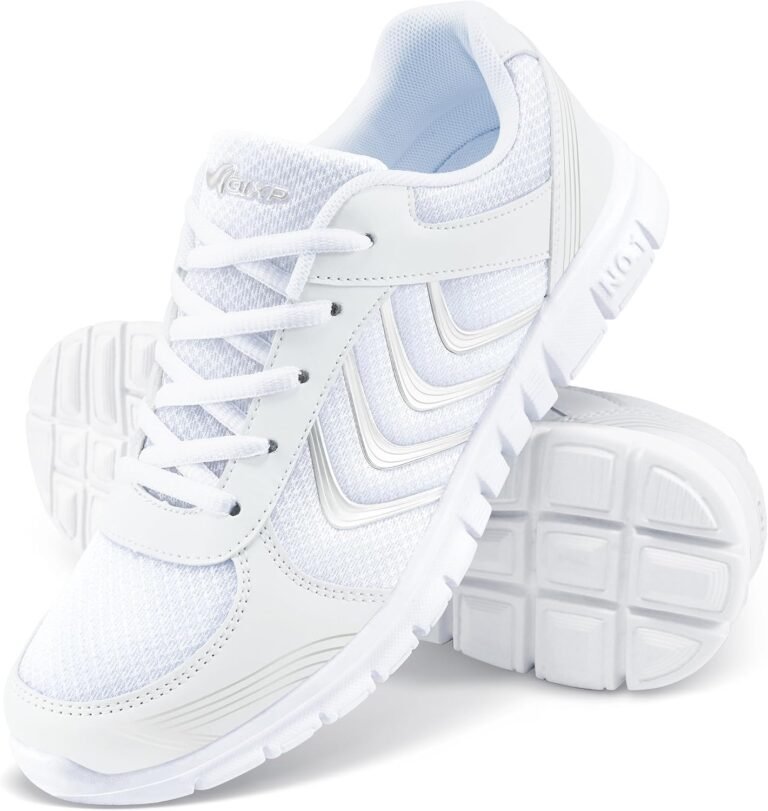
How to Clean Brooks Walking Shoes: Step-by-Step Guide
The easiest way to clean Brooks walking shoes is to remove the laces and insoles, brush off loose dirt, and wash them with a mild soap and warm water. You can use a soft brush or cloth to gently scrub the mesh and soles. This simple method works for most everyday grime and keeps your shoes looking fresh.
Your Brooks shoes take a beating on trails, streets, and treadmills. Mud, sweat, and odor can build up fast, which is why regular cleaning matters. We found that a gentle hand wash is safer than tossing them in the washing machine, as it protects the glue and cushioning. This approach helps extend the life of your shoes and keeps them comfortable for every step.
TL;DR — Quick cleaning summary:
- Remove laces and insoles and wash them separately.
- Tap or brush off dry dirt before getting them wet.
- Use mild soap and warm water with a soft cloth or brush.
- Air dry only — never use a dryer or direct heat.
- Clean monthly or after muddy runs to prevent odor and wear.
Below, we break down the best way to clean your Brooks walking shoes step by step, including tips for stubborn stains and how to keep them smelling great. Let’s get those shoes looking brand new again.
Cleaning Your Brooks Walking Shoes From Top to Bottom
You can clean most Brooks walking shoes with items you already have at home. The best part? This simple routine takes just 10 to 15 minutes of active work. The rest is drying time. Let’s walk through the process step by step so you can get back to logging miles in fresh-smelling shoes.
Getting Ready: What You Will Need
Before you start, gather your supplies. This keeps the job quick and easy. You don’t need fancy products. In fact, many experts say that simple soap beats harsh chemicals for shoe care. Here is your checklist:
- Mild dish soap or a gentle laundry detergent
- A soft-bristled brush (an old toothbrush works great)
- A clean microfiber cloth or soft sponge
- A small bowl of lukewarm water
- Baking soda for tough odors
- A towel for drying
That is it. No special sprays or expensive kits required. Research shows that mild soap and warm water are effective at removing common dirt without damaging shoe materials.
Step 1: Remove Laces and Insoles
Take out the laces completely. Pull out the insoles too. This step matters more than most people think. When you wash shoes as a whole unit, water and soap get trapped inside. Over time, that trapped moisture breaks down the glue and cushioning.
Set the laces aside. You can wash them in the sink with warm soapy water. Rinse them well and let them air dry. For the insoles, gently scrub them with your soapy brush. Insoles absorb sweat and odor. Cleaning them separately keeps your shoes fresher for longer.
Why This Step Protects Your Shoes
Brooks walking shoes are built with layers of foam and mesh. When you wash them as one piece, water can penetrate deep into those layers. We found that separating the parts helps the shoe dry evenly. It also prevents that squishy, soggy feeling the next day.
Step 2: Knock Off Loose Dirt and Debris
Tap your shoes together over a trash can. This removes big clumps of mud and loose gravel. Then, use your dry brush to sweep away the remaining surface dirt. Focus on the mesh panels and the treads on the soles.
Here is a trick we use: go outside and clap the soles together firmly. You will be surprised how much hidden dirt falls out. Getting the dry dirt off before washing makes the wet cleaning step much easier. It also prevents you from grinding grit into the fabric.
Step 3: Mix Your Cleaning Solution
Fill a small bowl with lukewarm water. Add a few drops of mild dish soap. Swirl it around until you see suds. That is all you need. Avoid hot water. Hot water can weaken the adhesive that holds your Brooks shoes together.
Many guidelines point to mild detergent as the safe choice for athletic footwear (Cleveland Clinic). Harsh cleaners can strip the color or dry out the materials. When in doubt, use less soap. You can always add more if the dirt is stubborn.
Step 4: Scrub Gently, Not Hard
Dip your brush or cloth into the soapy water. Wring it out so it is damp, not soaking wet. Work in small circular motions over the mesh and upper fabric. Let the soap do the heavy lifting. You don’t need to press hard.
For the soles, use your toothbrush to scrub the treads. This area collects the most grime. Pay extra attention to the grooves. A little elbow grease here makes a big difference in appearance. Just keep your strokes gentle on the fabric parts.
Dealing With Stubborn Stains
Some stains need a little extra love. For those tough spots, make a paste with baking soda and water. Apply it directly to the stain. Let it sit for 10 to 15 minutes. Then, scrub gently with your brush. Rinse with a damp cloth. Baking soda is a mild abrasive, so it lifts stains without harming the mesh.
Step 5: Rinse Thoroughly With Clean Water
Grab a fresh cloth. Dip it in plain, clean water. Wipe down the entire shoe to remove any soap residue. This step is critical. Leftover soap can irritate your skin and attract more dirt later. Take your time and wipe until the cloth comes away clean.
We found that rinsing twice works best. The first pass removes the bulk of the soap. The second pass catches anything you missed. Your shoes should feel damp but not dripping wet after this step.
Step 6: Air Dry the Right Way
Here is where many people mess up. Never put your Brooks walking shoes in the dryer. The heat shrinks the fabric and melts the glue. Direct sunlight is also a no-go for long periods. It fades the colors and makes the materials brittle.
Instead, stuff your shoes with dry paper towels or a clean towel. This helps them hold their shape while absorbing moisture from the inside. Place them in a well-ventilated area at room temperature. Let them dry for 24 hours. Resist the urge to wear them early. Wet shoes are a breeding ground for bacteria and odors.
Speed Up Drying Safely
In a hurry? You can use a fan to circulate air around your shoes. Just point it at them and let it run. Do not use a hairdryer or place them on a radiator. We also recommend rotating two pairs of walking shoes. That way, one pair is always fully dry when you need it.
How to Clean Brooks Walking Shoes With Different Materials
Not all Brooks shoes are the same. Some have more mesh, while others use leather overlays. You should adjust your method slightly based on what you own. Here is a quick guide to common materials found on Brooks walking shoes:
| Material | Cleaning Approach | Watch Out For |
|---|---|---|
| Engineered Mesh | Use a soft brush with soapy water | Do not scrub too hard or you may stretch the weave |
| Synthetic Leather | Wipe with a damp cloth only | Avoid soaking the material for too long |
| Knitted Upper (like on some Ghost models) | Hand wash gently with mild soap | Skip the toothbrush; use your fingers instead |
| Rubber Soles | Scrub with a stiff brush | Dirt hides in the grooves, so be thorough |
No matter your shoe type, the golden rule stays the same: gentle soap, cool water, and patience. Checking the care tag inside your shoe can also give you specific instructions.
Keeping Your Brooks Shoes Smelling Fresh
Smelly shoes are a common struggle, especially if you walk daily. The culprit is usually moisture and bacteria. When your feet sweat, the moisture soaks into the lining. Bacteria feed on that sweat and create the odor.
The easiest fix is prevention. Let your shoes dry out completely between wears. If you walk every day, that means having a second pair. Rotating shoes gives each pair at least 24 hours to air out. This simple habit reduces odor significantly.
For shoes that already smell, sprinkle baking soda inside them overnight. Shake it out the next morning. Baking soda neutralizes odors without leaving a chemical smell. You can also wash the insoles more frequently. Research indicates that regular cleaning of footwear reduces bacterial buildup and helps maintain foot health (NIH).
How Often Should You Clean Them?
Most people can get away with a monthly deep clean. If you walk on trails or in muddy conditions, clean them more often. A quick spot clean after each muddy walk will save you time later. Just wipe off the visible dirt before it dries into the fabric.
You will know it is time to clean when you notice visible grime or a musty odor. Trust your nose. If you hesitate to take your shoes off at the door, they need a wash. Regular cleaning also keeps the cushioning responsive and the upper materials in good shape.
Your Quick Maintenance Checklist
Save this list for your next cleaning session. It covers all the basics you need to remember:
- Remove laces and insoles before washing
- Tap off loose dirt before getting shoes wet
- Use only mild soap and lukewarm water
- Scrub gently with a soft brush or cloth
- Rinse thoroughly to remove all soap residue
- Air dry with paper towels inside, away from heat
That is the whole routine. It takes a few minutes of your time but pays off with fresh, comfortable shoes. Your feet will thank you, and so will anyone who happens to smell them.
When to Replace Your Brooks Walking Shoes
Cleaning can only do so much. Even the best care cannot fix worn-out cushioning. Most walking shoes last between 300 and 500 miles. After that, the foam compresses and loses its shock absorption.
Watch for signs of wear. If the treads look smooth or the heel padding feels flat, it might be time for a new pair. Pain in your knees or feet can also signal that your shoes have lost their support. Cleaning extends the life of your shoes, but it cannot restore lost cushioning. Many experts recommend replacing athletic shoes regularly to prevent injury.
Conclusion
Cleaning your Brooks walking shoes doesn’t have to be a chore. With mild soap, warm water, and a gentle touch, you can keep them looking sharp and feeling comfortable for months. We covered the full routine: removing laces and insoles, knocking off dry dirt, scrubbing carefully, rinsing well, and air drying the right way.
The real secret is consistency. A quick spot clean after muddy walks and a monthly deep clean will protect the cushioning and prevent odors. Your shoes work hard for you every day. Spending 15 minutes on them now saves you from buying a new pair too soon.
So grab your supplies and give your Brooks some love today. Your feet will feel the difference with every step.
Frequently Asked Questions
Got more questions about caring for your Brooks? We have you covered with these quick answers.
Can I put Brooks walking shoes in the washing machine?
You can, but we do not recommend it. The tumbling action and spin cycle can break down the glue and foam cushioning that make Brooks shoes so comfortable. The agitator can also misshape the upper fabric.
Hand washing is safer and only takes a few extra minutes. It gives you full control over how much water and pressure your shoes experience. That gentle approach keeps your shoes supportive for longer.
How long does it take for Brooks walking shoes to dry?
Plan for a full 24 hours of drying time at room temperature. Stuffing them with paper towels helps speed up the process by pulling moisture from the inside.
Do not rush it. Wearing damp shoes can cause blisters and promote bacterial growth that leads to odors. If you walk daily, keep a second pair in rotation so you never have to wait.
Is baking soda safe to use on Brooks shoes?
Yes, baking soda is totally safe for cleaning and deodorizing your Brooks shoes. It acts as a mild abrasive, which helps lift stubborn stains without scratching the mesh or synthetic materials.
For odors, sprinkle it inside the shoes and let it sit overnight. For stains, mix it with a little water to form a paste and apply it gently with a soft cloth. Rinse thoroughly afterward to remove any residue.
Why do my Brooks shoes smell even after cleaning?
Persistent odors usually mean bacteria are still living deep inside the lining or insoles. Soap and water may not kill all of them, especially if moisture got trapped during cleaning.
Make sure your shoes dry completely before you wear them again. Wash the insoles separately more often. Rotating between two pairs of shoes also gives each pair time to fully air out between uses.
What is the best way to clean Brooks Ghost shoes specifically?
Brooks Ghost shoes have a soft knitted upper that needs a gentler hand. Use your fingers or a very soft cloth with mild soapy water instead of a stiff brush.
Work in small circles and avoid scrubbing too hard, which can stretch the knit. Rinse with a damp cloth and air dry with paper towels inside. This protects the flexible fit that makes Ghost shoes so popular.