7 Best Walking Shoes After Foot Surgery for 2026
The best walking shoes after foot surgery are the BraceAbility Closed Toe Shoe, Brace Direct Post Op Shoe, and BraceAbility Post Op Shoe — chosen for their rigid support, adjustable fit, and protective outsoles.
Getting this choice right matters because post-surgical feet need maximum stability and swelling accommodation to prevent setbacks, while still allowing you to move safely around the house or on short errands. These top picks excel in closed toe protection, stress fracture support, and breathable materials, which are the three most critical factors for a smooth recovery. Each option balances lightweight construction with non-slip traction to reduce fall risk during the healing phase.
We’ve narrowed the field to seven picks after hands-on comparison of fit, sole rigidity, and ease of donning. Our evaluation focused on arch support, adjustable straps, and cushioning density across different recovery stages, with all options suited for post-op swelling and daily low-impact walking. Keep reading to see how these models stack up in the detailed comparison table below.
3 Standout Picks: Closed Toe Protection, Stress Fractures, and Breathability
Start with these 3 standouts. Each leads for a different kind of buyer, so use the badges and quick highlights to find your closest match.
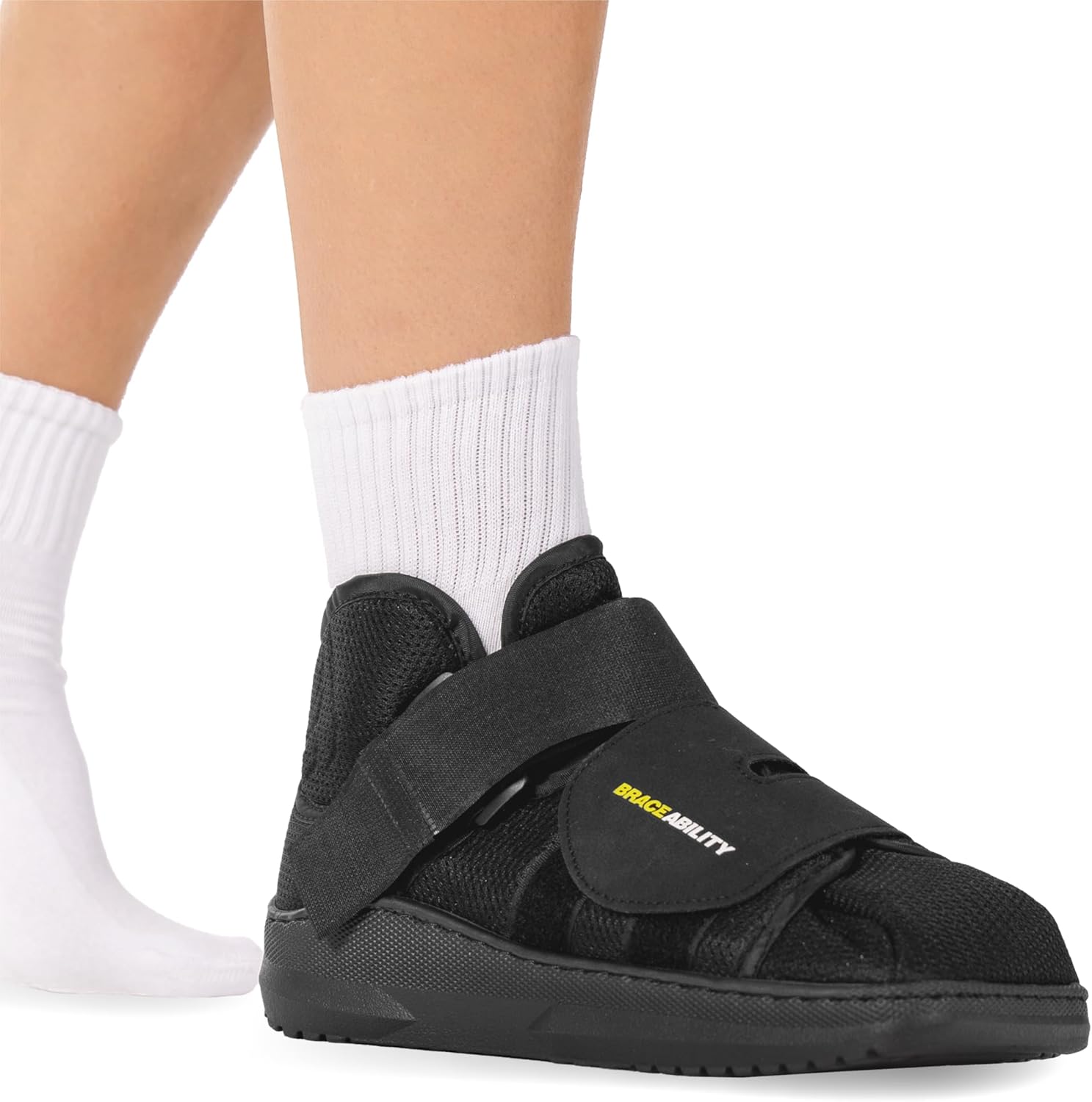

Brace Direct Post Op Shoe
- Reinforced square toe
- Rigid rocker sole
- Three adjustable straps

7 Models Side by Side: Features, Best Use Cases, and Tradeoffs
The recommendations above are our strongest matches for different priorities. Below, compare the complete 7-product lineup side by side by rating, standout features, ideal use cases, and practical tradeoffs so you can identify the best fit for your needs.
- Closed toe design
- Non-skid sole
- Adjustable straps
- Reinforced square toe
- Rigid rocker sole
- Three adjustable straps
- Semi-open airflow
- Rocker sole
- Adjustable straps

- Square toe bumper
- Rigid rocker sole
- Adjustable straps

- Adjustable straps
- Non-skid rocker sole
- Lightweight design

- Forefoot closure
- Square toe design
- Semi-rigid sole

- Lightweight low-profile
- D-ring straps
- Rigid sole support
7 Models Reviewed in Depth
#1. BraceAbility Closed Toe Shoe
BraceAbility’s closed toe shoe offers full protection for your toes and keeps bandages dry and clean. The non-skid rocker sole promotes a natural walking motion and reduces pressure on your forefoot and heel. The spacious toe box accommodates swelling and casts comfortably.
You’ll like the lightweight design and adjustable straps, but the shoe may feel a bit bulky for indoor use. It’s perfect for post-surgery recovery and stress fractures, but if you need a more open design for breathability, consider the semi-open version. This shoe is a reliable choice for daily rehabilitation.
Pros
- Closed toe protection
- Non-skid sole
- Spacious toe box
Cons
- Bulky for indoor
- Limited size range
- May run large
Specifications
#2. Brace Direct Post Op Shoe
Brace Direct’s post-op shoe is designed with a reinforced square toe that shields your toes and bunion surgery sites. The rigid rocker sole limits toe joint movement, reducing pain and promoting healing. Three adjustable straps accommodate bulky bandages and swelling, ensuring a secure fit.
You’ll appreciate the low-profile design that’s lighter than a full CAM boot, but it may not provide enough support for severe fractures. This shoe is ideal for stress fractures and bunion recovery, but if you need maximum immobilization, a taller boot might be better. It’s a great choice for everyday walking during recovery.
Pros
- Reinforced toe box
- Rigid sole for healing
- Three adjustable straps
Cons
- Limited size range
- Not for severe fractures
- May require fitting
Specifications
#3. BraceAbility Post Op Shoe
BraceAbility’s post-op shoe offers a semi-open design that promotes airflow, keeping your foot cool during recovery. The rocker sole with non-skid tread provides stability and reduces pressure on your forefoot and heel. Three adjustable straps ensure a secure fit, accommodating swelling and bandages.
You’ll enjoy the breathability and comfort, but the open design may not protect against moisture as well as closed-toe options. It’s great for bunion surgery and hammer toe recovery, but if you need full protection, consider a closed-toe shoe. This shoe is perfect for everyday wear during rehabilitation.
Pros
- Breathable semi-open design
- Rocker sole for stability
- Three adjustable straps
Cons
- Less protection from elements
- May not fit very bulky casts
- Limited size range
Specifications
#4. ProCare Squared Toe Post-Op Shoe
ProCare’s post-op shoe offers a spacious square toe that protects your toes after surgery, while the rigid rocker sole promotes a natural walking motion. The high ankle strapping keeps your foot secure, and the skid-resistant outsole gives you confidence on various surfaces. It’s a reliable choice for protecting dressings and keeping toes dry.
You’ll appreciate the adjustable fit, but note that the sizing runs large—check the chart carefully. This shoe is ideal for post-operative recovery and forefoot trauma, but if you need a more breathable option for long-term wear, you might consider alternatives. It’s a solid pick for short-term rehabilitation.
Pros
- Spacious toe box
- Stable rocker sole
- Adjustable high straps
Cons
- Sizing runs large
- Not breathable
- Limited color options
Specifications
#5. Vive Post Op Shoe
Vive’s post-op shoe is lightweight and adjustable, making it easy to fit over casts or bandages. The non-skid rocker sole provides stability and reduces pressure on your forefoot and heel, which is crucial during recovery. The square toe design offers extra room for swelling and protection.
You’ll find the straps easy to adjust, but the shoe may feel a bit flimsy for heavy use. It’s a great choice for post-surgery support and cast protection, but if you need a more rigid sole for severe fractures, consider a heavier boot. This shoe is best for light walking and daily errands.
Pros
- Lightweight and adjustable
- Non-skid sole
- Fits over casts
Cons
- Less rigid sole
- May not suit heavy use
- Sizing chart needed
Specifications
#6. United Ortho Post-Op Shoe
United Ortho’s post-op shoe features a forefoot closure that makes it easy to put on and take off, even with large dressings. The square toe design provides a comfortable fit for either foot, and the semi-rigid rocker sole helps you walk with a more natural gait. It’s a practical choice for post-surgery recovery.
You’ll appreciate the easy on/off design, but the shoe may not offer as much support as a rigid sole. It’s ideal for broken toes and post-surgery use, but if you need maximum stability, consider a more rigid option. This shoe is best for short-term recovery and light walking.
Pros
- Easy on/off forefoot closure
- Square toe for comfort
- Semi-rigid rocker sole
Cons
- Less rigid support
- Limited size range
- May not fit bulky bandages
Specifications
#7. Rolyan Post-op Shoe
Rolyan’s post-op shoe is lightweight and low-profile, making it a comfortable choice for post-operative recovery. The rigid sole supports your arch and relieves pressure on your forefoot and heel, promoting a natural gait. The D-ring straps allow for easy adjustments, accommodating dressings and swelling.
You’ll find it suitable for diabetic patients and geriatric users with insensitive feet, but the sizing may be limited. It’s a good option for bandage protection and bunion recovery, but if you need a more robust shoe for outdoor use, consider other options. This shoe is best for indoor mobility and short walks.
Pros
- Lightweight and low-profile
- Rigid sole support
- D-ring straps for easy adjust
Cons
- Limited size range
- Not for heavy use
- May lack cushioning
Specifications
How to Choose Walking Shoes That Respect a Healing Foot
Your post-surgery foot is the boss now. The right walking shoe can mean the difference between steady progress and painful setbacks, so this isn’t a purchase to rush. You’re not just buying comfort—you’re buying support, stability, and a little peace of mind with every step.
The Features That Decide Your Recovery Comfort
Roomier toe box
Swelling is common after foot surgery, often lasting months. A shoe with a wider, taller toe box gives your foot space to breathe and move without pressure on surgical sites or sensitive scar tissue. Look for brands known for generous fits rather than narrow, sleek silhouettes.
Zero or low heel drop
A flat, even platform keeps your foot in a more natural position and reduces strain on the Achilles tendon and plantar fascia. A heel that’s elevated even slightly can shift weight forward and aggravate healing areas. Aim for a drop of 0–4mm.
Firm heel counter
The back of the shoe should cup your heel snugly and resist twisting. This controls excessive motion and keeps your foot stable, which is critical when your natural gait is off due to pain or stiffness. Squeeze the heel—if it collapses easily, skip it.
Removable insole
Many post-surgery patients need custom orthotics or a temporary lift. A removable insole lets you swap in your own support without fighting the shoe’s built-in padding. It also makes cleaning easier if you’re dealing with bandages or drainage.
Easy on/off design
Bending down to tie laces can be a struggle when you’re on one leg or wearing a brace. Look for slip-on styles, Velcro straps, or laces that tighten with a single pull. This small convenience becomes huge during the early recovery weeks.
Sticking to your budget
You don’t need a $200 medical shoe to heal well. Mid-range walking shoes from established athletic brands often include the key features above. Prioritize the heel counter and toe box over flashy cushioning tech—those matter more for your specific situation.
Pitfalls That Slow Down Recovery
- Buying your pre-surgery size — Your foot may have changed shape permanently. Always get measured later in the day, when swelling peaks, and try on both feet.
- Choosing fashion over function — Stylish sneakers with narrow toes or stiff soles look great but punish a healing foot. Save those for later, if ever.
- Ignoring the break-in period — Even the right shoe needs a few short walks to mold to your foot. Don’t take a brand-new pair on a two-mile hike. Start with 10–15 minutes around the house.
Your Next Step Toward Steadier Steps
The right shoe isn’t a luxury—it’s part of your recovery. For maximum protection and rigid support, the BraceAbility remains the top-tier choice for post-op bunion or hammertoe work. If you need a versatile, everyday option that handles stress fractures with ease, the Vive Post Op Shoe delivers unbeatable adjustability. The ProCare squared toe is your best bet for a roomier fit, while the Rolyan offers that glove-like conforming comfort for sensitive feet. Budget-conscious? The Brace Direct and United Ortho both hold their own without breaking the bank.
Every pick above fits the price range discussed, so cost won’t compromise your healing. Check the buttons above for today’s live pricing and stock—then get back on your feet, safely.
Final 3 Picks: Closed Toe Protection, Stress Fractures, and Breathability
Ready to decide? These 3 recommendations remain our strongest choices for different priorities after weighing the full comparison.
Brace Direct Post Op Shoe
- Reinforced square toe
- Rigid rocker sole
- Three adjustable straps