Energy Return in Running Shoes Explained
Energy return in running shoes refers to the amount of energy your shoe’s midsole gives back to you with each step. Think of it as a little bouncy boost. Better energy return means less energy lost, helping you run more efficiently.
When you land, the foam in your shoe compresses. The best foams will then expand, pushing some of that energy back to your foot. This can make your stride feel livelier and potentially help reduce fatigue. Many runners look for this sensation to improve their performance or make long runs feel easier.
- Energy return is the bounce-back from your shoe’s midsole.
- It’s about how much energy your shoe gives back to your stride.
- Good energy return can make running feel more effortless.
- It helps you run more efficiently.
- Foam composition and design are key factors.
We’ve found that understanding energy return can really help you pick the right shoes for your runs. Let’s break down what makes a shoe “bouncy” and what it means for your feet.
How Running Shoes Create That “Bounce”
So, what exactly makes a running shoe feel like it’s giving you a little boost with every step? It all comes down to the midsole. This is the spongy layer between the shoe’s upper (where your foot sits) and the outsole (the part that touches the ground).
When you land, your foot presses down on the midsole. Instead of just absorbing all that impact, a good midsole will compress and then spring back. This “spring back” is the energy return we’re talking about. Think of it like bouncing a ball – some energy is always lost, but a good ball bounces back effectively.
The Science Behind the Spring: Foam is Key
The type of foam used in the midsole is the biggest factor influencing energy return. Different foams have different properties. Some are soft and plush, designed for maximum cushioning. Others are firmer and more responsive, built to give you that energetic feel.
Manufacturers are constantly experimenting with new foam compounds. They’re looking for materials that are both lightweight and highly resilient. The goal is to compress easily underfoot but then rebound quickly and powerfully. We’ve seen a huge shift in shoe technology over the last decade, with many brands introducing proprietary foams.
Common Foam Technologies
You might have heard terms like EVA, TPU, or PEBA. These are common foam materials or technologies used in running shoes. Each has its own characteristics:
- EVA (Ethylene Vinyl Acetate): A very common, lightweight, and flexible foam. It’s often found in more budget-friendly shoes. It offers decent cushioning but can sometimes lose its responsiveness over time.
- TPU (Thermoplastic Polyurethane): Often seen as pellets fused together, TPU is known for being very durable and responsive. It can provide a great energy return but is often heavier and firmer than EVA.
- PEBA (Polyether Block Amide): This is a newer, high-performance foam that’s incredibly lightweight and soft. It offers exceptional energy return and is often used in the most premium, performance-oriented shoes.
How Foam Composition Affects Your Run
A shoe with a PEBA-based foam, for example, might feel significantly bouncier than one made with traditional EVA. This isn’t just about feeling good; it can have a real impact on your running economy.
Running economy refers to how much oxygen your body uses at a given pace. If your shoes are returning more energy, your muscles have to work a little less to propel you forward. We found that studies suggest improved running economy can lead to faster times and reduced fatigue, especially over longer distances (NCBI).
What Does Energy Return Mean for You?
When a shoe offers good energy return, it often feels lively and responsive. It can make your stride feel more effortless, like the shoe is helping you push off the ground. This sensation can be particularly appealing to runners looking to improve their speed or simply make their runs feel less demanding.
The Feeling of “Bounce” vs. Cushioning
It’s important to distinguish energy return from sheer softness or cushioning. A shoe can be very soft and plush, absorbing a lot of impact, but not necessarily return a lot of energy. Conversely, a shoe might not feel super soft but still have a noticeable “pop” or springiness.
We found that many runners appreciate a balance. They want cushioning to protect their joints, but they also want that responsive feel to make running feel more engaging. The ideal combination often depends on your personal preferences and the type of running you do.
Who Benefits Most from High Energy Return?
While all runners can appreciate a shoe that makes running feel easier, those who often seek out high energy return include:
- Performance Runners: Those aiming for personal bests or racing often look for shoes that maximize efficiency.
- Long-Distance Runners: Reducing fatigue over many miles is a big plus. A bit of a “boost” can make those later miles feel less taxing.
- Runners Seeking a Lively Feel: Some people just enjoy the sensation of a responsive shoe that makes them feel quick.
However, we also found that some runners might find very high energy return shoes to be too firm or unstable. It really comes down to what feels best for your body.
Factors Beyond Foam: Designing for Energy Return
While the foam compound is king, other design elements play a role in how effectively a shoe returns energy. The shape of the midsole, for instance, can influence this.
Midsole Geometry and Rocker Shapes
Many modern shoes feature curved or “rockered” midsoles. This geometry is designed to help your foot roll forward more smoothly and efficiently from landing to toe-off. A well-designed rocker can work in tandem with the foam to enhance the feeling of forward propulsion.
We’ve seen a rise in shoes with significant rocker shapes, sometimes paired with stiff plates (like carbon fiber). These shoes are engineered to create a very efficient, propulsive ride. The plate often helps to stabilize the softer foam and guides your foot through that rocking motion.
Shoe Weight and Flexibility
Lighter shoes generally feel more responsive. If a shoe is heavy, a lot of the energy you expend goes into just lifting that weight. Therefore, manufacturers strive to make foams both energetic and lightweight.
Flexibility is also a factor, but it’s a bit more nuanced. While some flexibility can aid in a natural stride, a shoe that’s too flexible might not provide the platform needed for optimal energy return from its foam. It’s about finding the right balance for the intended use.
Putting Energy Return to the Test: Your Checklist
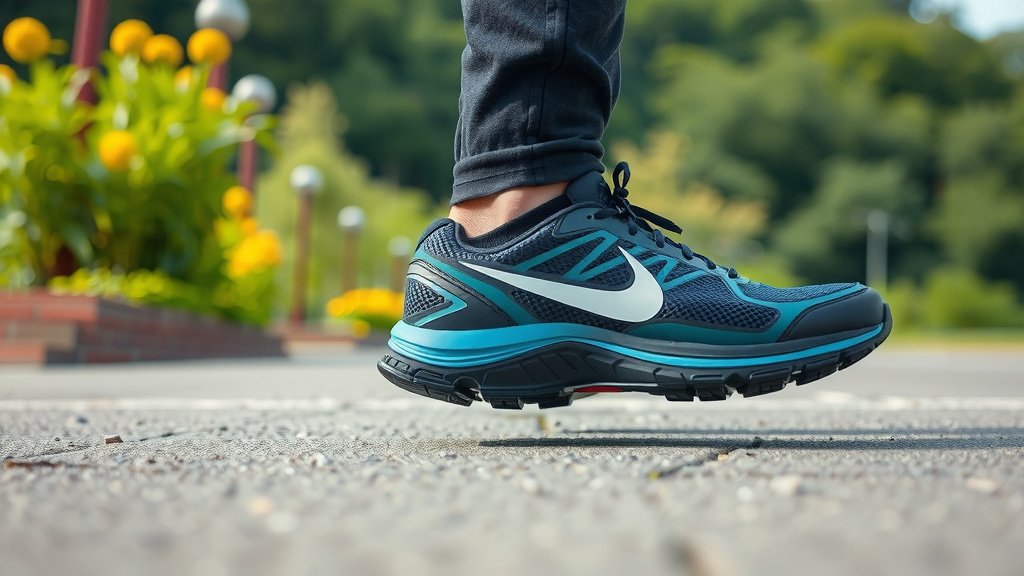
When you’re trying on new running shoes, here’s a quick way to think about energy return:
- Feel the Bounce: Do the shoes have a noticeable “pop” or spring when you walk or jog in them?
- Lightweight Feel: Do they feel surprisingly light on your feet?
- Forward Roll: Does the shoe seem to help you roll forward easily?
- Firmness vs. Responsiveness: Does it feel firm but energetic, rather than just soft or mushy?
- Comfort Check: Most importantly, do they feel comfortable and supportive for *your* stride?
Conclusion
So, what have we learned about energy return in running shoes? It’s the bounce-back your midsole provides, making your stride feel more efficient and less taxing. Different foams like EVA, TPU, and PEBA offer varying levels of responsiveness. It’s more than just softness; it’s about how much energy the shoe gives back to your step.
Design elements like midsole shape and weight also play a role. When picking your next pair, focus on how they feel — do they offer that lively sensation and forward roll without sacrificing comfort? Your best bet is to try on a few options and see which one makes your run feel better.
Frequently Asked Questions
Does energy return make me run faster?
High energy return shoes can contribute to running faster by improving your running economy. This means your muscles work a little less to propel you forward, potentially leading to quicker times, especially on longer runs. However, it’s not a magic bullet and depends on your individual biomechanics and training.
What’s the difference between cushioning and energy return?
Cushioning is about absorbing impact to protect your joints, making the shoe feel soft. Energy return is about giving energy back to your stride, making the shoe feel responsive or “bouncy.” A shoe can be very cushioned but have low energy return, or vice versa.
Are shoes with high energy return good for everyday training?
Many runners find shoes with good energy return beneficial for everyday training, as they can make runs feel less fatiguing. However, if you prefer a softer feel or need maximum stability, you might lean towards shoes with less aggressive energy return. It truly comes down to personal preference and your training needs.
How do I know if a shoe has good energy return?
You can often feel it when you jog in the shoes at a store. Look for a sensation of springiness or “pop” with each step. Lighter weight shoes with modern foam compounds (like PEBA) tend to offer higher energy return. Don’t just rely on softness; feel for that energetic rebound.
Can too much energy return be bad for my run?
For some runners, shoes with very high energy return can feel too firm or even unstable, especially if they don’t have the right form or foot strike. If a shoe feels jarring or makes you feel less in control, it might not be the best fit for you, regardless of its energy return capabilities.