What Is a Road Running Shoe: Your Essential Guide
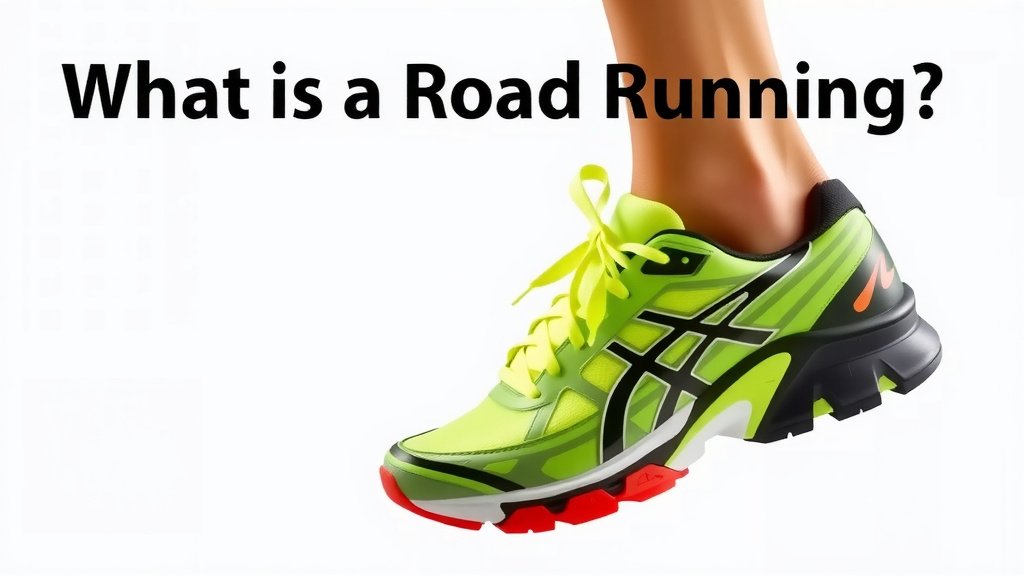
A road running shoe is a type of athletic footwear designed specifically for running on hard, paved surfaces like asphalt and concrete. These shoes offer excellent cushioning and support to absorb the impact of each stride. They typically have a flatter, smoother sole compared to trail shoes for better traction on roads.
Unlike shoes made for off-road terrain, road running shoes prioritize comfort and shock absorption. They are built to withstand the repetitive pounding that comes with pavement running. Many runners choose them for their balance of durability and a responsive feel. They are your go-to for daily training runs and even race day.
- What they are: Shoes for pavement running.
- Key features: Cushioning, support, smooth soles.
- Why you need them: To protect your feet and joints.
- Benefits: Comfort, durability, good traction on roads.
Now, let’s get into the nitty-gritty of what makes a road running shoe tick and how to pick the perfect pair for your stride.
Understanding Road Running Shoes
So, what exactly makes a shoe a “road running shoe”? Think of them as your best friend for pounding the pavement. They’re built with the unique demands of running on hard surfaces like concrete and asphalt in mind. Road shoes are designed to provide comfort and protection with every single step you take.
The Core Design Principles
When we look at road running shoes, a few key features always stand out. They focus heavily on cushioning. This is super important because roads are unforgiving. Your shoes need to act like shock absorbers. We found that good cushioning helps reduce the stress on your joints, like your knees and ankles (American Academy of Orthopaedic Surgeons).
Another big part of their design is support. Road shoes come in different types to match how your foot moves. Some offer more stability for runners who need it. Others are built for neutral runners. This support helps guide your foot through a more efficient stride. It can prevent injuries that might come from overpronation or supination.
What Makes Them Different?
You might be wondering how they differ from, say, trail running shoes. Well, trail shoes have rugged outsoles with deep lugs for grip on dirt and mud. Road running shoes, on the other hand, have smoother, flatter soles. This design is perfect for getting good traction on the consistent surface of a road.
We’ve also found that road running shoes tend to be lighter than their trail counterparts. This lightness can make a big difference on longer runs. It helps you feel faster and more agile. The upper part of a road shoe is usually made of breathable mesh. This keeps your feet cool and dry, even on a warm day.
Key Features to Look For
When you’re eyeing a new pair of road running shoes, keep these elements in mind. They’ll help you find a shoe that’s just right for you.
Cushioning: Your Impact Protection
This is arguably the most critical feature for road runners. The amount and type of cushioning can vary wildly. Some runners prefer a plush, soft feel. Others like a firmer, more responsive ride. We found that the foam used in the midsole is what creates this cushioning. Materials like EVA (ethylene-vinyl acetate) and TPU (thermoplastic polyurethane) are common.
TPU foam often provides more energy return, meaning it bounces back more with each step. EVA is generally lighter and softer. Many brands now blend these materials or use proprietary foam blends. Your personal preference plays a huge role here. Some research suggests that adequate cushioning can help prevent stress fractures (National Institutes of Health).
Support and Stability
How your foot rolls inward (pronates) during a run is a big factor. Some runners naturally overpronate, meaning their foot rolls in excessively. For these runners, stability shoes are often recommended. They have features like guide rails or medial posts to help control this motion. Many experts say this can help prevent injuries related to overpronation (Cleveland Clinic).
Neutral runners, whose feet land more evenly, typically do well with neutral shoes. These shoes offer cushioning and flexibility without added stability features. It’s always a good idea to have your gait analyzed at a specialty running store. They can help you understand your pronation type.
The Outsole: Grip on the Go
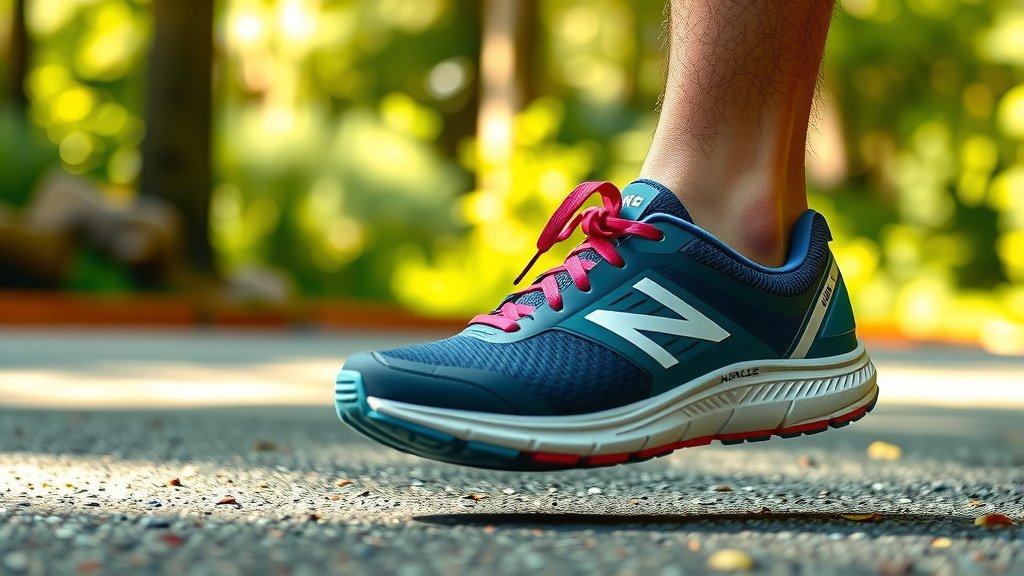
The outsole is the bottom part of the shoe that touches the ground. For road running, you want an outsole that offers good traction on smooth surfaces. It should also be durable. Pavement wears down rubber faster than softer terrain. Most road shoes use carbon rubber for high-wear areas and blown rubber for a smoother ride and better grip.
The pattern of the outsole is usually relatively flat and smooth. This maximizes contact with the road. You won’t see the aggressive lugs you’d find on a trail shoe. This design ensures a consistent, reliable feel with every stride.
The Upper: Breathability and Comfort
The upper is the part of the shoe that covers your foot. For road running, breathability is key. You don’t want your feet getting too hot and sweaty. Most road shoes use engineered mesh. This material is lightweight and allows air to flow freely. It helps keep your feet cool and comfortable on long runs.
The fit of the upper is also important. It should hold your foot securely without being too tight. Look for padded collars and tongues for extra comfort. Some shoes offer different width options, which can be a lifesaver if you have wider or narrower feet.
Choosing Your Perfect Road Running Shoe
Picking the right road running shoe can feel overwhelming with so many options. But, by focusing on a few key things, you can find a pair that will keep you happy on your runs.
Consider Your Running Style and Needs
Are you a beginner runner just starting out? Or are you training for a marathon? Your goals and experience level matter. For beginners, a well-cushioned, supportive shoe is often a great starting point. If you’re a seasoned runner, you might know what kind of feel you prefer—plush or firm, neutral or stable.
We found that understanding your foot strike can also be helpful. Do you land on your heel, midfoot, or forefoot? While shoes don’t drastically change your foot strike, some designs might feel better depending on how you run. Trying on different shoes is the best way to see what feels natural.
Fit is Everything
This might sound obvious, but a proper fit is non-negotiable. Your running shoes should feel comfortable from the moment you try them on. There should be about a thumb’s width of space between your longest toe and the end of the shoe. Your heel should feel snug and not slip. The midfoot should feel secure but not constricted.
We recommend trying on shoes later in the day. Your feet tend to swell throughout the day, just like they do during a run. Wear the type of socks you typically run in when you go to try on shoes. This will give you the most accurate sense of the fit.
Don’t Forget Durability
Road running shoes are an investment. You want a pair that will last. The lifespan of a running shoe is typically between 300 to 500 miles. However, this can vary based on the shoe’s construction, your weight, and how you run. Higher-mileage runners might need to replace shoes more frequently. Inspecting the outsole for wear and the midsole for compression can give you clues about when it’s time for a new pair.
Here’s a quick checklist to help you remember the essentials:
- Check the Cushioning: Does it feel right for your preferences?
- Assess the Support: Is it neutral or stability for your foot type?
- Examine the Fit: Enough toe room? Snug heel? Comfortable midfoot?
- Consider Breathability: Will the upper keep your feet cool?
- Think About Durability: Will this shoe hold up for your training volume?
- Try Them On: Never buy without trying them first if possible!
Conclusion
You’ve learned that road running shoes are your essential partners for pavement pounding. They’re designed with cushioning and support to protect your joints from hard surfaces. Remember to look for a smooth outsole for traction and a breathable upper for comfort. Your perfect pair comes down to your personal preferences for feel and fit.
Now that you’re armed with this knowledge, your next step is to visit a specialty running store. Get your gait analyzed and try on a few different models. You’ll be hitting the road in comfort and confidence before you know it!
Frequently Asked Questions
Are road running shoes good for walking?
Yes, road running shoes can be great for walking. Their cushioning provides comfort and support for your feet during long walks. You might find them more comfortable than regular sneakers for extended periods on hard surfaces.
How often should I replace my road running shoes?
Most experts recommend replacing road running shoes every 300 to 500 miles. This range can vary based on your weight, running form, and the shoe’s construction. Pay attention to signs of wear, like a flattened midsole or worn-out outsole.
Can I wear trail running shoes on the road?
While you can technically run in trail shoes on the road, it’s not ideal. Trail shoes have aggressive outsoles that can wear down quickly on pavement. They also might feel heavier and less responsive on hard surfaces compared to road shoes.
What’s the difference between neutral and stability road running shoes?
Neutral shoes offer cushioning and flexibility without extra support. Stability shoes are designed for runners who overpronate, providing features to help guide the foot and prevent excessive inward rolling. Your foot’s biomechanics will determine which type is best for you.
How important is breathability in a road running shoe?
Breathability is very important for road running shoes. The mesh uppers allow air to circulate, keeping your feet cool and dry. This helps prevent blisters and makes your runs more comfortable, especially in warmer weather or on longer distances.