What Are Running Shoes: A Comprehensive Guide
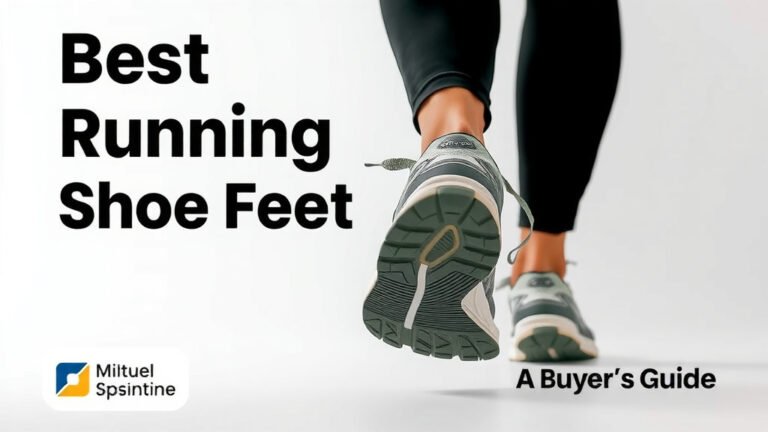
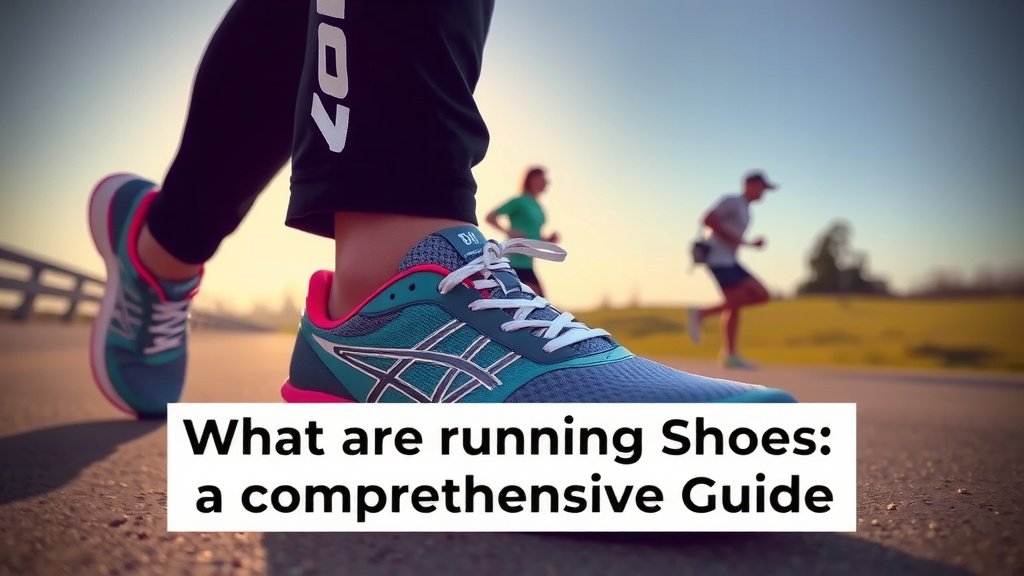
Running shoes are specialized footwear designed to protect your feet and improve your performance when you run. They offer cushioning, support, and stability tailored for the repetitive impact of running. Wearing the right pair can help prevent injuries and make your runs more comfortable and efficient.
Unlike regular sneakers, running shoes are built with specific technologies. These include features like shock absorption in the sole and breathable uppers. Many experts say choosing shoes based on your foot type and running style is very important. We found that proper shoe selection can make a big difference in your running experience.
- Running shoes are designed for running impact.
- They offer cushioning and support.
- They help prevent injuries.
- Choose them based on your foot and running style.
Below, we’ll walk you through what makes a running shoe unique and how to pick the best ones for your needs. Let’s get your feet ready for the road or trail!
What Makes a Running Shoe Different?
You might be wondering, “Can’t I just wear my old sneakers for a jog?” While you *could*, running shoes are a whole different ballgame. They’re engineered with your stride and the impact of running in mind. Think of them as specialized tools for a specific job.
Regular shoes are often designed for casual wear or perhaps a quick pickup basketball game. They might look sporty, but they lack the targeted support and cushioning that your feet need when pounding the pavement for miles. We found that the right running shoe can really transform your run.
The Sole: Your First Line of Defense
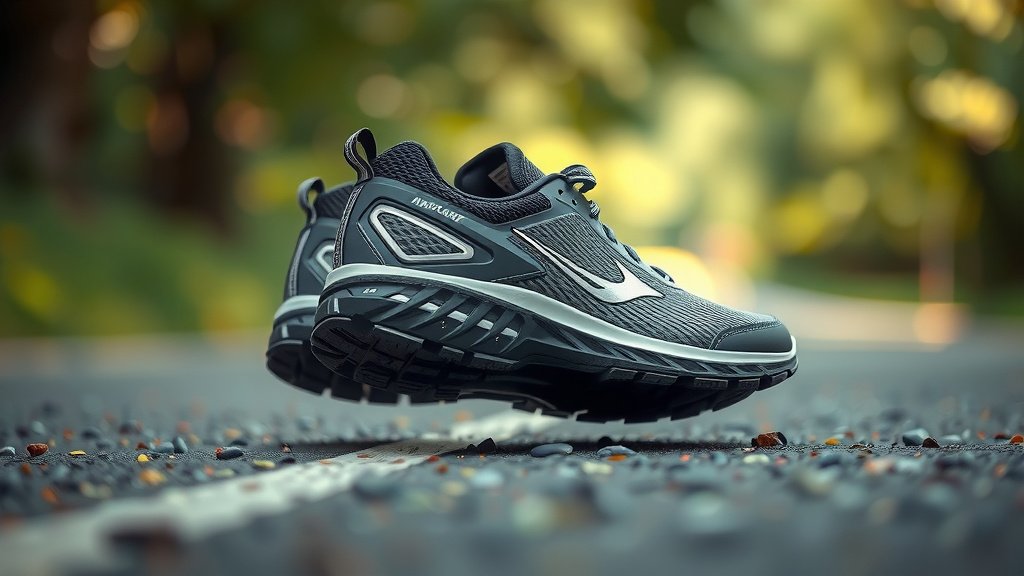
The sole of a running shoe is its most critical component. It’s designed to absorb shock and provide a stable platform for your foot. You’ll typically see a thicker midsole made from foam materials like EVA (ethylene vinyl acetate) or TPU (thermoplastic polyurethane).
These foams are like tiny shock absorbers. They compress with each step to reduce the force that travels up your legs. Many experts agree that this cushioning is vital for protecting your joints and muscles. We found that the amount and type of cushioning can vary greatly between shoe models.
Midsole vs. Outsole
The midsole is the layer between the insole (where your foot sits) and the outsole. It’s where most of the cushioning technology lives. The outsole is the bottom layer that touches the ground. It’s usually made of a durable rubber compound designed for traction and wear resistance.
The tread pattern on the outsole is also important. It helps you grip the surface, whether that’s a smooth road, a dusty trail, or a wet path. Different patterns offer varying levels of grip, so it’s something to consider for where you’ll be running.
The Upper: Keeping Your Foot Secure
The upper part of the shoe is everything above the sole. Its main job is to hold your foot securely in place while allowing it to breathe. Running can make your feet hot and sweaty, so breathability is key.
Most uppers are made from lightweight, mesh-like materials. This allows air to circulate, keeping your feet cooler and drier. Nobody enjoys running with soggy socks, right? We found that a well-ventilated upper makes a big difference in comfort, especially on longer runs.
Heel Counter and Lacing System
Look at the back of the shoe. You’ll often see a stiff piece called the heel counter. This helps lock your heel into place, preventing it from slipping and providing stability. A good heel counter can prevent blisters and ensure your foot stays aligned.
The lacing system also plays a role in fit and security. Different lacing techniques can help customize the fit to your foot shape, preventing pressure points or looseness. Getting the lacing just right can feel like a small victory!
Types of Running Shoes
Not all running shoes are created equal. The market offers a variety of types, each designed for different needs. Understanding these can help you narrow down your choices.
Neutral vs. Stability Shoes
This is a big one! When you run, your foot naturally rolls inward after it hits the ground. This is called pronation. For most people, this is a normal and healthy motion. Shoes designed for this are often called neutral shoes.
However, some people overpronate, meaning their foot rolls inward excessively. This can sometimes lead to injuries. For these runners, stability shoes offer features like guide rails or denser foam on the inside of the midsole to help control the inward roll. Many guidelines suggest consulting a running specialist or a doctor to understand your pronation needs (American Academy of Orthopaedic Surgeons).
Cushioned Shoes
If maximum comfort and shock absorption are your priorities, you’ll want to look at shoes with ample cushioning. These are often great for beginners or runners who experience impact-related soreness. They feel plush underfoot.
We found that highly cushioned shoes can provide a really forgiving feel, making long runs feel less taxing. They can be a great choice for road running where the impact is more consistent.
Trail Running Shoes
Hitting the trails? You’ll want trail running shoes. These are built for uneven terrain and offer more protection. They typically have rugged outsoles with deeper lugs for better grip on dirt, mud, and rocks.
The uppers on trail shoes are often more durable and might offer some water resistance. They also tend to have reinforced toe caps to protect your feet from stubbing on roots or rocks. These shoes are designed to be your trusty companions on off-road adventures.
How Running Shoes Help You
So, why all the fuss about specialized shoes? It really boils down to making your runs safer, more comfortable, and more enjoyable.
Injury Prevention
This is arguably the biggest benefit. The right running shoes help reduce the risk of common running injuries. Things like shin splints, plantar fasciitis, and stress fractures can often be linked to inadequate footwear. The cushioning and support work together to manage impact forces.
We found that many studies highlight the importance of proper footwear in preventing overuse injuries. Wearing shoes that are worn out or not suited to your foot type can set you up for trouble. It’s like trying to build a house on a shaky foundation!
Enhanced Comfort and Performance
When your feet are happy, you’re more likely to run farther and enjoy it more. Good running shoes provide a comfortable environment for your feet, reducing fatigue and blisters. This comfort can translate directly to improved performance.
When your shoes fit well and offer the right support, you can focus on your run rather than your feet. We found that many runners report feeling more energetic and less tired when they switch to a well-fitting pair of running shoes.
Better Fit for Your Foot Type
Our feet are unique, just like our fingerprints! Running shoes come in various widths and shapes to accommodate different foot types. Whether you have narrow feet, wide feet, or high arches, there’s likely a shoe designed to fit you comfortably.
Getting the right fit ensures that your foot moves naturally within the shoe. This prevents unnecessary friction and pressure points. Many specialty running stores offer gait analysis to help you find the perfect match for your foot’s mechanics.
Here’s a quick checklist to help you remember the key features:- Look for shock-absorbing midsoles.
- Ensure the upper is breathable.
- Check for adequate heel support.
- Consider the outsole’s traction.
- Understand your pronation for neutral vs. stability.
- Prioritize comfort and fit above all else.
Conclusion
You’ve learned that running shoes are much more than just stylish sneakers. They’re engineered with specific features like shock-absorbing soles and breathable uppers to protect your feet during runs. We found that understanding the differences between neutral, stability, and trail shoes can make a huge impact on your comfort and safety. Prioritizing a good fit tailored to your foot type is key. So, your next step? Visit a specialty running store. Getting a gait analysis can help you find the perfect pair and keep you running happy and injury-free!
Frequently Asked Questions
Can I wear my regular athletic shoes for running?
While you *can* for a very short, casual jog, regular athletic shoes aren’t designed for the repetitive impact of running. They often lack the specific cushioning and support needed to prevent injuries. We found that dedicated running shoes offer superior shock absorption and stability for a safer run.
How often should I replace my running shoes?
Most experts recommend replacing running shoes every 300 to 500 miles. You’ll notice the cushioning feels less responsive, or the outsoles start to wear down. Running in worn-out shoes can increase your risk of injury. We found that paying attention to shoe wear is vital for injury prevention.
What does “pronation” mean in running shoes?
Pronation is the natural inward rolling motion of your foot when you run. Some people overpronate, meaning their foot rolls too far inward. Neutral shoes are for runners with normal pronation, while stability shoes are designed to help control excessive inward rolling. We found understanding your pronation helps you choose the right support.
Are minimalist running shoes good for beginners?
Minimalist running shoes offer very little cushioning or support, aiming to mimic barefoot running. While they can build foot strength over time, they are generally not recommended for beginners. We found that starting with shoes that offer more cushioning and support is typically a safer bet for new runners.
Do I need different shoes for road running versus trail running?
Yes, it’s best to have different shoes. Road running shoes focus on cushioning for hard surfaces. Trail running shoes have more aggressive outsoles for grip on uneven terrain, along with more durable uppers for protection. We found that using the right shoe for the surface enhances both performance and safety.