Your First Super Shoe: A Beginner’s Guide
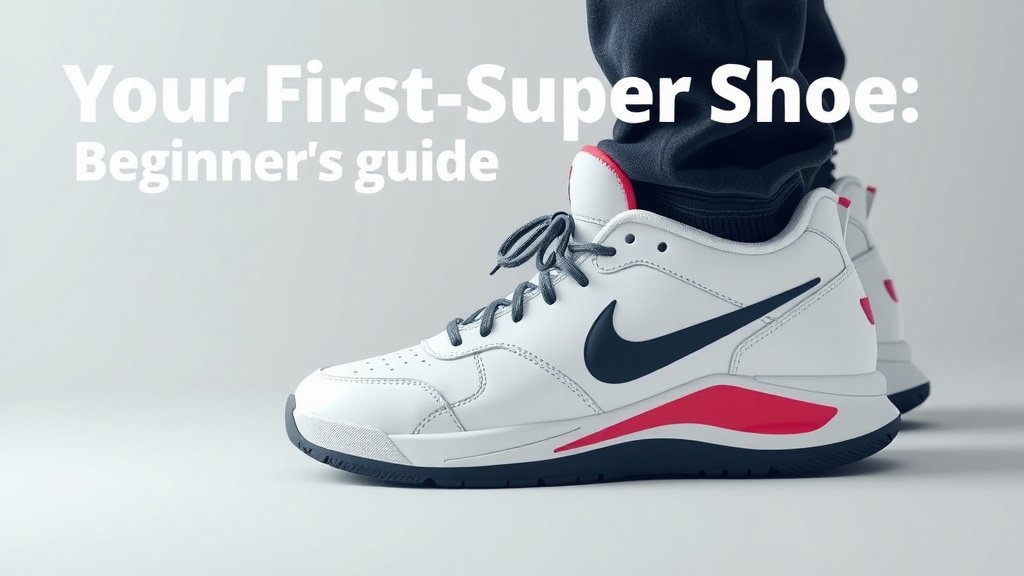
Choosing your first pair of super shoes can feel overwhelming, but it’s easier than you think! Super shoes are designed to make running feel easier and faster, thanks to their specialized foam and stiff plates. For beginners, the key is finding a shoe that offers a comfortable ride and a bit of that signature propulsion without being too aggressive.
These shoes have transformed running for many. They help improve your running economy, meaning your body uses less energy to run at a given pace. We found that even everyday runners can benefit from the energy return these shoes provide, making your miles feel less taxing and more enjoyable. It’s like getting a little boost with every step you take.
- Super shoes boost your running economy.
- They use responsive foam and stiff plates.
- Beginners should look for comfort and mild propulsion.
- These shoes make running feel easier and faster.
Ready to find the perfect pair that fits your stride and budget? Let’s break down what makes a beginner-friendly super shoe and help you make a confident choice. Let’s break down what makes a beginner-friendly super shoe and help you make a confident choice.
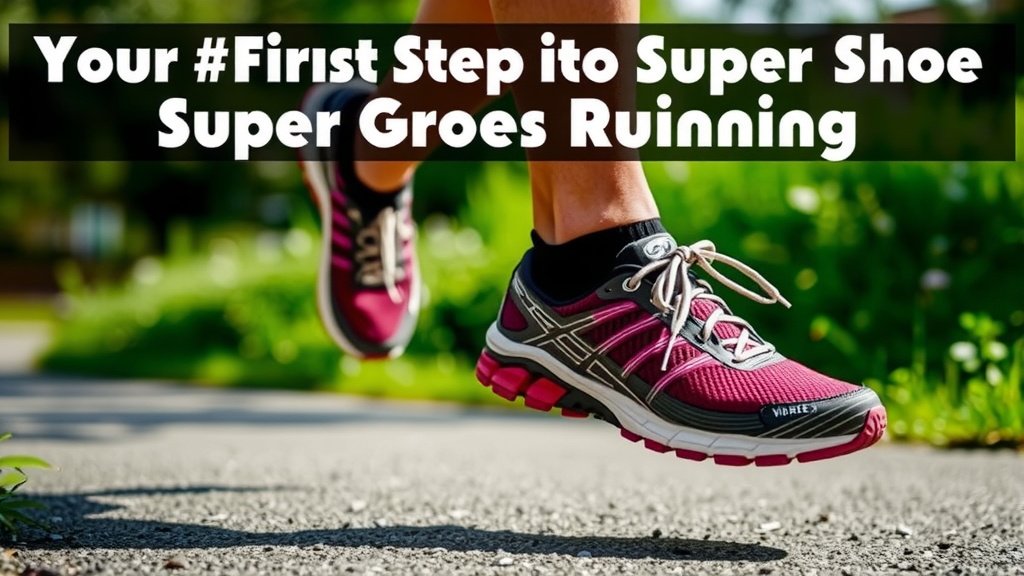
Your First Step into Super Shoe Running
So, you’re curious about super shoes for your running journey. That’s fantastic! You’re not alone in feeling a bit curious or even a touch intimidated. Think of super shoes as your running game’s personal cheerleader. They’re designed to make your miles feel a little smoother and your pace a bit quicker. We found that even if you’re just starting out, the right pair can make a real difference in how much you enjoy your runs.
What Makes a “Super Shoe” Super?
At their core, these shoes are built with two main things in mind: advanced cushioning and a special plate. The foam is often much softer and bouncier than traditional running shoes. This means it can absorb more impact. It’s like running on clouds, but with a spring in them! Research shows this advanced foam can return more energy with each step you take.
The Magic of Responsive Foam
The foam inside super shoes is usually a PEBA (polyethylene-based elastomer) or a similar lightweight, highly responsive material. This isn’t your everyday EVA foam. It’s designed to compress and rebound quickly. We found that this provides a noticeable energy return. It helps you feel less tired over longer distances. Many runners report feeling like they have more spring in their step.
The Role of the Carbon Plate
Almost all super shoes include a stiff plate, often made of carbon fiber, embedded within the midsole. This plate works in tandem with the foam. It helps to stabilize the soft foam and create a propulsive feel. Think of it like a lever. It helps to roll your foot forward more efficiently. This plate is key to that “super” feeling. It doesn’t bend easily, guiding your foot through your stride.
Choosing Super Shoes as a Beginner: What to Look For
When you’re new to super shoes, the goal isn’t necessarily to win races (though who knows!). It’s about finding a shoe that makes running more enjoyable and less taxing. You want a shoe that offers a good blend of comfort and a little bit of that signature performance boost. We found that not all super shoes are created equal, especially for beginners. For beginners, it’s worth considering if carbon plate shoes are right for you.
Prioritize Comfort and Cushioning
For your first pair, comfort is king. You want a shoe that feels good right out of the box. Look for shoes with ample cushioning. This will protect your legs and feet, especially if you’re still building up your mileage. Too little cushioning can lead to soreness. Too much can sometimes feel unstable. The right balance is key.
Seek Out Mild Propulsion, Not Overwhelm
Some super shoes are designed for elite racers and can feel very aggressive. They might have very stiff plates and extremely high stack heights (how tall the shoe is). As a beginner, you’ll likely benefit more from a shoe with a slightly less aggressive plate and a more forgiving feel. This will help you get used to the sensation without feeling like the shoe is doing all the work. We found that a shoe that guides your stride gently is often best.
Consider the Drop (Heel-to-Toe Offset)
The drop refers to the height difference between the heel and the forefoot of the shoe. Traditional running shoes often have a 10-12mm drop. Many super shoes have a lower drop, like 4-8mm. A lower drop can encourage a more natural midfoot strike. However, if you’re used to a higher drop, a sudden switch can sometimes cause calf or Achilles issues. Many experts suggest gradually transitioning to lower drop shoes (Mayo Clinic). For beginners, sticking to a familiar drop or a moderate 6-8mm is often a safe bet.
Key Features for Beginner Super Shoes
Let’s break down some specific features to keep an eye out for. These will help you narrow down your choices and feel more confident in your decision. Remember, your first super shoe is about making running feel better. It’s an investment in your running enjoyment.
Mid-Level Stack Height
While some super shoes boast massive amounts of foam, a more moderate stack height is often better for beginners. This means the shoe won’t feel overly bulky or unstable. It still provides plenty of cushioning for comfort. We found that shoes with around 35-40mm of total thickness are often a sweet spot for everyday running. This offers protection without feeling like you’re wearing stilts.
Flexible or Rockered Geometry
Some super shoes use a strong “rocker” shape. This helps your foot roll forward smoothly. For beginners, a shoe with a noticeable rocker can feel very natural. It makes transitions easier. Some shoes also have a slightly more flexible plate. This can feel less rigid underfoot. It gives a smoother ride compared to extremely stiff plates. Research indicates that rocker geometry can improve running efficiency (NCBI).
A Quick Comparison Table
Here’s a simple way to think about the differences you might find:
| Feature | Beginner-Friendly Super Shoe | More Aggressive Super Shoe |
|---|---|---|
| Cushioning | Soft, responsive, plentiful | Very soft, highly energetic |
| Plate Stiffness | Moderate, slightly flexible | Very stiff, carbon-infused |
| Stack Height | Moderate (e.g., 35-40mm) | Maximal (e.g., 40mm+) |
| Feel | Comfortable, smooth, propulsive | Fast, energetic, sometimes firm |
| Best For | Everyday runs, introducing yourself to super shoes | Races, tempo runs, experienced runners |
Your Beginner Super Shoe Checklist
Ready to shop? Keep this quick list handy:
- Comfortable fit right away.
- Ample, soft cushioning.
- A noticeable but not overly stiff plate.
- A smooth transition from heel to toe.
- Moderate stack height for stability.
- A price point that feels right for your budget.
Conclusion
You’re now ready to step into the world of super shoes with confidence. Remember, your first pair is about enhancing your running enjoyment and making miles feel easier. Prioritize comfort, moderate cushioning, and a smooth, propulsive feel over aggressive racing features. We found that the right beginner-friendly super shoe can truly transform your runs. Don’t be afraid to try them on and see how they feel underfoot. Your next favorite run is just a shoe selection away!
Frequently Asked Questions
Can beginners really benefit from super shoes?
Yes, absolutely! Beginners can benefit from the improved running economy and reduced fatigue that super shoes offer. You’ll find your runs feel a little easier and potentially faster, making it more enjoyable to build up your mileage. They act like a supportive boost.
How do I know if a super shoe is too aggressive for me?
If a shoe feels too stiff, overly firm, or makes you feel unstable, it might be too aggressive. Beginner-friendly super shoes often have a more forgiving plate and a comfortable, less “tippy” feel. We recommend looking for shoes with a noticeable but not rigid plate.
Should I worry about the heel-to-toe drop on my first super shoe?
It’s wise to be mindful of the drop. If you’re accustomed to higher drops, a very low drop (like 0-4mm) could potentially cause calf strain. Many beginners find a moderate drop, around 6-8mm, to be a comfortable and safe transition. Gradually adjust if needed.
How much should I expect to spend on my first pair of super shoes?
Super shoes represent an investment, and prices can vary. While some elite models are very expensive, you can often find excellent beginner-friendly options in the $150-$200 range. Look for sales or slightly older models for a better price point. Your enjoyment is worth it!
How do I break in a new pair of super shoes?
Super shoes often require minimal break-in time due to their advanced materials. However, it’s a good idea to start with shorter runs to get used to the feel. This allows your feet and legs to adapt to the unique cushioning and plate technology. You’ll quickly feel how they work with your stride.