Training vs Racing Shoes: Which Is Right For You
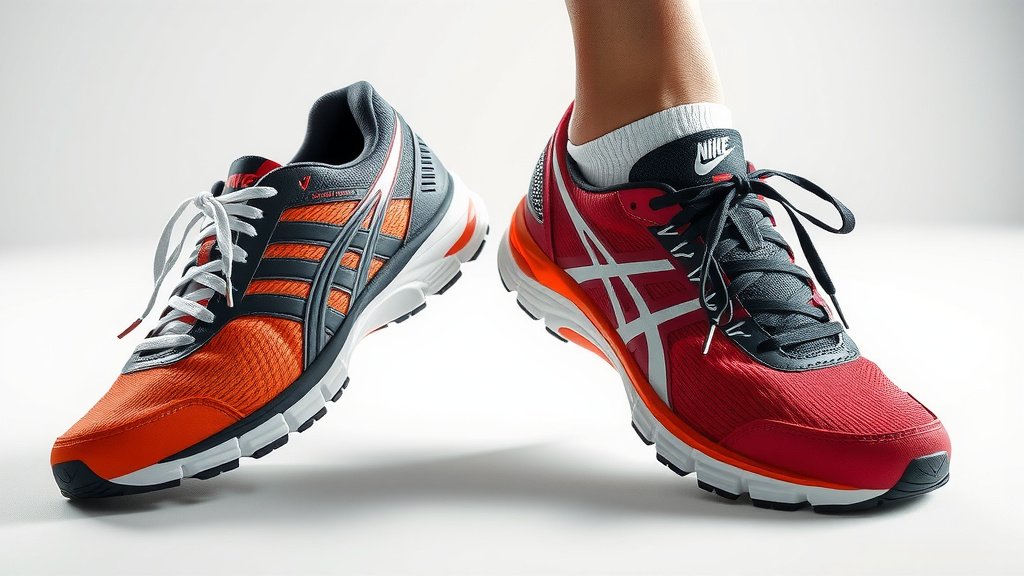
Training shoes and racing shoes are different for a reason. You should use training shoes for everyday runs and racing shoes for race day. While they look similar, their design serves distinct purposes. Training shoes offer comfort and durability, while racing shoes prioritize speed and lightness.
Choosing the right shoe impacts your performance and injury risk. We found that training shoes have more cushioning and support for longer mileage. Racing shoes are built with less material, making them lighter but less forgiving. Think of it like wearing boots for hiking versus sneakers for a sprint. Both have their place, but you wouldn’t mix them up!
- Training shoes: For daily miles, comfort, and durability.
- Racing shoes: For speed, lighter feel, and race day performance.
- They have different cushioning and support levels.
- Using the right shoe helps prevent injuries.
So, are you wondering which one is right for your next run or big event? Let’s break down the key differences and help you decide which pair belongs in your shoe rotation.
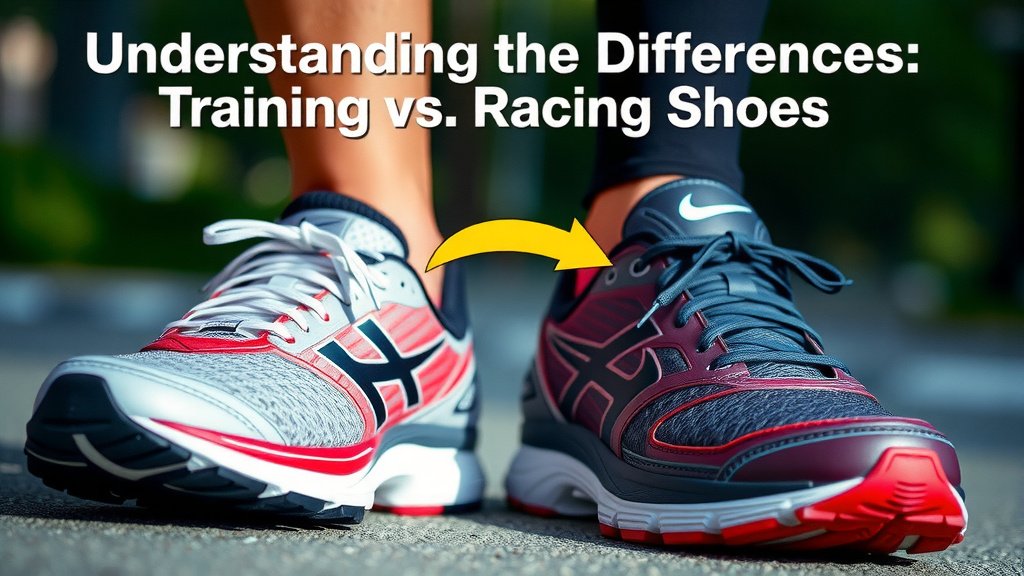
“`htmlUnderstanding the Differences: Training vs. Racing Shoes
So, you’re wondering what’s the big deal between training shoes and racing shoes? It’s a common question, and the answer really comes down to how you plan to use them. Think of it like having work boots for a construction site and dress shoes for a wedding. Both are shoes, but they serve very different purposes, right?
Training shoes are your everyday workhorses. They’re built for logging miles, handling different terrains, and giving you the support you need day in and day out. Racing shoes, on the other hand, are your speed demons. They’re designed with one goal in mind: to help you run as fast as possible on race day.
We found that the key differences lie in their construction, cushioning, weight, and durability. Understanding these distinctions will help you make the best choice for your running goals and keep your feet happy.
The Role of Training Shoes: Comfort and Durability
When you’re out for your daily runs, your training shoes are your best friends. They are designed to provide Our guide to choosing training shoes explains their role in daily running.maximum comfort and long-lasting durability, mile after mile. This means they can handle the pounding of regular training without falling apart too quickly.
Cushioning for the Long Haul
Training shoes typically feature plush cushioning. This is essential for absorbing impact during your runs. More cushioning means less stress on your joints, which is vital when you’re racking up high mileage. Many experts say that ample cushioning can help reduce the risk of common running injuries (CDC).
You’ll notice that the midsoles are often thicker and softer. This padding helps create a more forgiving ride, especially on hard surfaces like roads. It’s like having shock absorbers for your feet!
Support and Stability
Beyond cushioning, training shoes often offer more support and stability. This can come in various forms, like structured uppers or firmer materials in the midsole. These elements help guide your foot through a more natural motion, reducing excessive pronation or supination.
We found that runners who need a bit more guidance for their stride often benefit from the stability features found in many training shoes. This is particularly helpful for those with flatter arches or who tend to overpronate.
Durability for Daily Miles
Training shoes are built to last. They use tougher materials in the outsole and upper to withstand the wear and tear of regular use. This means you won’t have to replace them after just a few weeks of training.
The outsole, the part that touches the ground, is usually made of high-abrasion rubber. This rubber is strategically placed in high-wear areas to extend the shoe’s life. So, you can count on them for many runs to come.
The Purpose of Racing Shoes: Speed and Lightness
Now, let’s talk about racing shoes, also often called racing flats. These are your Our guide to choosing racing shoes covers their specific design for speed.performance-enhancing tools for race day. Their entire design philosophy is focused on making you as fast as possible. This often means sacrificing some of the comfort and durability you find in training shoes.
Feather-Light Construction
The most noticeable difference is their weight. Racing shoes are significantly lighter than training shoes. This is achieved by using less material throughout the shoe. Every ounce saved can translate into a small but noticeable performance boost when you’re pushing your limits.
You’ll feel the difference immediately. It’s like comparing a heavy winter coat to a light windbreaker. They feel much quicker on your feet, allowing for a more effortless stride.
Minimal Cushioning and Support
To achieve that lightness, racing shoes typically have less cushioning and less structured support. The midsoles are often thinner, and the overall shoe is more flexible. This design aims to provide a more direct feel for the ground and a responsive ride.
While this might sound less comfortable, it’s intentional. For shorter, faster efforts, the need for extreme cushioning is reduced. The focus shifts to efficiency and responsiveness, helping you maintain a faster cadence. Many experts suggest that this more minimal feel can lead to improved running economy (ncbi.nlm.nih.gov).
Built for Speed, Not Longevity
Durability is not the primary concern for racing shoes. They are designed for short, intense efforts. The materials used are often thinner and less robust than those in training shoes. This means they won’t hold up as well to daily wear and tear.
You wouldn’t want to use your racing shoes for every single run. Doing so would wear them out very quickly. They are best reserved for your key workouts and, of course, race day itself.
When to Use Which: A Practical Guide
So, how do you decide which shoe is right for your next run? It’s all about matching the shoe to the activity. Here’s a simple breakdown:
Training Shoes: Your Daily Drivers
Use your training shoes for:
- Easy runs: Those comfortable jogs where you’re just cruising.
- Long runs: Building mileage and endurance.
- Recovery runs: Slow runs to help your body bounce back.
- Most of your weekly mileage: They provide the comfort and support needed for consistent training.
- Running in varied weather: They often offer better protection and grip.
Racing Shoes: Your Speed Companions
Pull out your racing shoes for:
- Race day: From 5Ks to marathons, they’re built for competition.
- Speed workouts: Track intervals or tempo runs where speed is the goal.
- Key long runs: If you’re practicing race pace for a specific event.
We found that many runners benefit from having at least two pairs of shoes: a trusty training pair and a speedy racing pair. This approach ensures you have the right tool for every job.
Key Differences at a Glance
Here’s a quick comparison table to summarize:
| Feature | Training Shoes | Racing Shoes |
|---|---|---|
| Purpose | Everyday miles, comfort, durability | Speed, race day performance |
| Weight | Heavier | Lighter |
| Cushioning | More, plush | Less, responsive |
| Support | More, structured | Less, minimal |
| Durability | High | Low |
Your Running Shoe Checklist
To make sure you’re set up for success, consider these points:
- Do your training shoes feel comfortable for longer distances?
- Are your racing shoes noticeably lighter and faster feeling?
- Are you using your training shoes for the majority of your runs?
- Are you saving your racing shoes for key workouts and races only?
- Do you feel a performance difference when switching between them?
- Do you understand the trade-offs between cushioning and speed?
Conclusion
You now understand the distinct roles training and racing shoes play in your running journey. Training shoes are your reliable partners for building mileage, offering essential comfort and durability for everyday runs. Racing shoes, on the other hand, are your secret weapon for speed, designed to be lighter and more responsive for race day and key workouts. By choosing the right shoe for the right activity, you’re not just optimizing performance; you’re also actively working to prevent injuries and keep your feet healthy.
So, take this knowledge and apply it to your next shoe purchase or your next run. Make sure your feet have the support they need for daily miles and the responsiveness they crave on race day. Your body will thank you!
Frequently Asked Questions
Can I use my training shoes for a race?
While you technically can, it’s generally not recommended for optimal performance. Training shoes are heavier and offer more cushioning, which can feel sluggish on race day. For your best possible race time, it’s best to use shoes specifically designed for racing.
Will racing shoes make me run faster?
Racing shoes are designed to help you run faster by being lighter and more responsive, which can improve your running economy. However, they won’t magically make you faster on their own. Your training and fitness are the primary drivers of speed, with racing shoes providing a performance advantage on race day.
How often should I replace my training shoes versus racing shoes?
Training shoes typically last between 300-500 miles due to their durable construction. Racing shoes, because they are less durable, should be replaced more frequently, often after 100-200 miles or even sooner if they show significant wear, as their performance can degrade.
Is it okay to do speed workouts in my training shoes?
You can do speed workouts in training shoes, especially if you’re just starting out or don’t have dedicated racing shoes. However, if you frequently do speed work and want to maximize your potential, using lighter racing shoes for these sessions can provide a better feel for pace and improve efficiency.
Do I really need both training and racing shoes?
For serious runners aiming for performance, having both types of shoes is highly beneficial. It allows you to maximize comfort and durability for your daily training while reserving lighter, faster shoes for races and key speed sessions. If you’re a more casual runner, a good pair of training shoes might suffice for all your running needs.