Treadmill vs Road Running Shoes: Which is Right for You
While you *can* run in either, treadmill shoes are generally Our guide to the best treadmill running shoe explains what to look for.lighter and less cushioned than road running shoes because the treadmill belt offers more shock absorption. Road shoes, on the other hand, are built for durability and maximum impact protection against hard surfaces. Choosing the right shoe matters for comfort and injury prevention.
Think of it this way: your road shoes are like rugged hiking boots for tough trails, ready to handle anything. Treadmill shoes are more like comfortable trainers, perfect for a controlled environment. We found that wearing the wrong type can lead to discomfort and potential issues, like blisters or foot pain, during your runs.
- Treadmill shoes are built for less impact.
- Road shoes offer more cushion and durability.
- Using the wrong shoes can cause pain.
- Consider your running surface carefully.
Let’s get into the details of what makes each type of shoe distinct and which one might be best for your running routine.
Understanding Your Running Shoe Needs: Treadmill vs. Road
Choosing the right running shoe can make a big difference in your comfort and performance. Have you ever wondered if you need different shoes for your treadmill runs versus your outdoor adventures? We’ve looked into it, and there are definitely some key distinctions worth considering. It all comes down to the surface you’re pounding.
How Treadmill Shoes Differ from Road Running Shoes
Think of your treadmill as a forgiving track. It has a built-in cushion that helps absorb some of the shock from your stride. Because of this, treadmill shoes are generally designed to be lighter and more flexible. They don’t need as much heavy-duty cushioning or robust outsole protection as shoes meant for pavement.
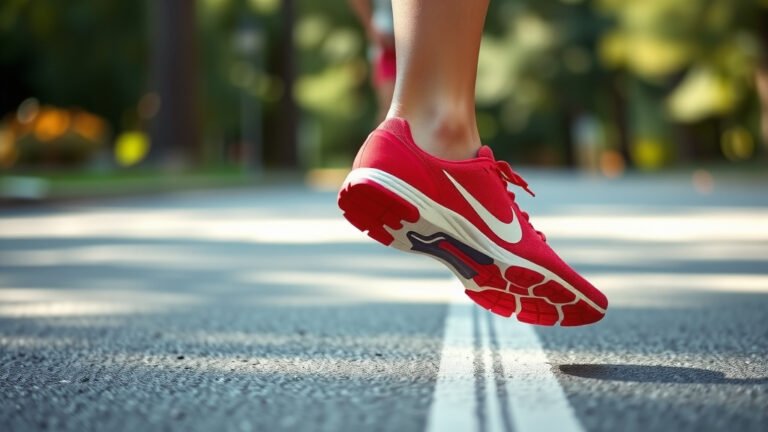
Road running shoes, on the other hand, are built to withstand the harshness of concrete and asphalt. These surfaces offer very little give. That’s why road shoes typically feature more substantial cushioning to protect your feet and joints from repeated impact. They also need a more durable outsole to handle the wear and tear of rougher terrain.
The Role of Cushioning in Running Shoes
Cushioning is a big factor when we talk about treadmill versus road running shoes. The goal of cushioning is to reduce impact forces. When you run on a treadmill, the belt provides some of this shock absorption for you. This means you don’t need as much padding in your shoes.
Running on the road means your shoes are doing most of the heavy lifting when it comes to shock absorption. Many experts suggest that adequate cushioning can help prevent injuries like stress fractures and shin splints. The more cushioning, the softer the landing, which is vital for your joints (Cleveland Clinic).
Durability and Traction: What’s Your Surface?
Let’s talk about how long your shoes will last and how well they’ll grip. Treadmill shoes often have a smoother outsole. This is because the treadmill belt offers a pretty consistent and clean surface. You don’t need aggressive treads to grip anything.
Road running shoes, however, usually have a more aggressive tread pattern. This helps them provide better traction on varied outdoor surfaces, like wet pavement or gravel paths. The outsoles are also made from tougher rubber compounds to resist abrasion from concrete. This increased durability means they can handle miles and miles of outdoor running.
Weight and Flexibility: Feeling the Difference
Weight is another noticeable difference. Treadmill shoes tend to be lighter. This can make your runs feel a bit easier, as you’re not lifting as much weight with each step. Their lighter construction often leads to a more natural feel for your foot.
Road running shoes might feel a bit heavier. This is often due to the extra cushioning and more robust materials used in their construction. While they might not feel as “fast” in terms of weight, that extra material is working hard to protect you. You might find them to be less flexible than a dedicated treadmill shoe.
When to Choose Treadmill Shoes
So, when should you reach for those lighter, more flexible treadmill shoes? If your runs are almost exclusively on an indoor treadmill, these shoes are likely your best bet. They are designed to work with the machine’s built-in cushioning.
We found that runners who prioritize a minimalist feel or those looking for a breathable shoe for indoor workouts often prefer treadmill shoes. They are also a great option if you want a shoe that’s comfortable for walking around the gym post-run.
When to Opt for Road Running Shoes
If you spend most of your time running on pavement, sidewalks, or even light trails, road running shoes are your go-to. Their primary purpose is to provide maximum protection and durability against hard, unforgiving surfaces.
Many runners find that the extra cushioning in road shoes helps them go longer distances without discomfort. The enhanced traction is also a big plus when navigating different outdoor conditions. If your runs involve varied terrain or you’re training for a road race, these are essential.
Can You Use Road Shoes on a Treadmill?
Absolutely, you can use road running shoes on a treadmill. Many runners do this without any issues. Since road shoes offer excellent cushioning and support, they will perform well on the treadmill belt. In fact, the extra cushioning can feel quite nice indoors.
However, keep in mind that road shoes might feel a bit heavier and warmer on the treadmill. Also, if the outsole is very aggressive, it might wear down faster on the smooth treadmill belt compared to outdoor surfaces. But for occasional treadmill use, your road shoes will certainly do the job.
Can You Use Treadmill Shoes on the Road?
This is where we advise a bit more caution. While you might get away with using treadmill shoes on the road for very short, easy runs, it’s generally not recommended for regular outdoor running. Why? Because they lack the necessary cushioning and durability.
Running on pavement in shoes designed for a treadmill can lead to increased impact on your feet and joints. You might experience discomfort, blisters, or even injuries over time. Experts often point out that the outsole may also wear out very quickly on abrasive surfaces (CDC).
Quick Comparison Table
To help you visualize the differences, here’s a quick look:
| Feature | Treadmill Shoes | Road Running Shoes |
|---|---|---|
| Cushioning | Lighter, less | More, substantial |
| Durability | Less robust | High, tough |
| Traction | Smoother outsole | Aggressive tread |
| Weight | Lighter | Slightly heavier |
| Flexibility | More flexible | Less flexible |
| Best Use | Indoor treadmill | Outdoor pavement, trails |
Making Your Final Shoe Choice: A Checklist
To help you decide which type of shoe is right for you, consider these points:
- Where do you run most often?
- Do you prefer a soft or firm ride?
- What is your budget for running shoes?
- How much cushioning do your feet need?
- Are you prone to foot or leg pain?
- Do you need good grip for varied surfaces?
Conclusion
You’ve learned that the primary difference between treadmill and road running shoes comes down to the surface you run on. Treadmill shoes are lighter and less cushioned, designed to work with the treadmill’s built-in shock absorption. Road shoes offer more substantial cushioning and durability to protect your feet from hard pavement. We found that using the right shoe for your primary running surface can significantly improve comfort and help prevent injuries. Before your next purchase, consider where you run most often and what your feet need to perform their best.
Frequently Asked Questions
Can I wear my trail running shoes on the road?
Generally, it’s not the best idea to regularly run on pavement in trail shoes. Trail shoes have aggressive outsoles for grip on dirt and rocks, which can wear down quickly on asphalt. They might also be stiffer and heavier than you need for road running.
How do I know if I need more cushioning in my road shoes?
If you experience foot, ankle, or knee pain after running on the road, you might benefit from more cushioning. Runners often find that shoes with extra padding help absorb impact and reduce stress on your joints, especially for longer distances.
Are treadmill shoes bad for my feet if I run outdoors occasionally?
For very occasional and short outdoor runs, treadmill shoes might be okay. However, they lack the necessary support and protection for regular road running. You risk discomfort and potential injury due to insufficient cushioning and outsole durability on hard surfaces.
Will my road shoes wear out faster on a treadmill?
Your road shoes might wear down slightly faster on a treadmill belt, especially if they have a very aggressive tread pattern. The smooth, consistent surface of the belt can cause more abrasion than varied outdoor terrain. However, the difference is often minimal for most runners.
Is it better to have separate shoes for treadmill and road running?
For serious runners who split their time equally between indoor and outdoor running, having separate shoes is ideal. This ensures you have the optimal design for each surface, maximizing comfort and minimizing wear and tear on specialized shoes.