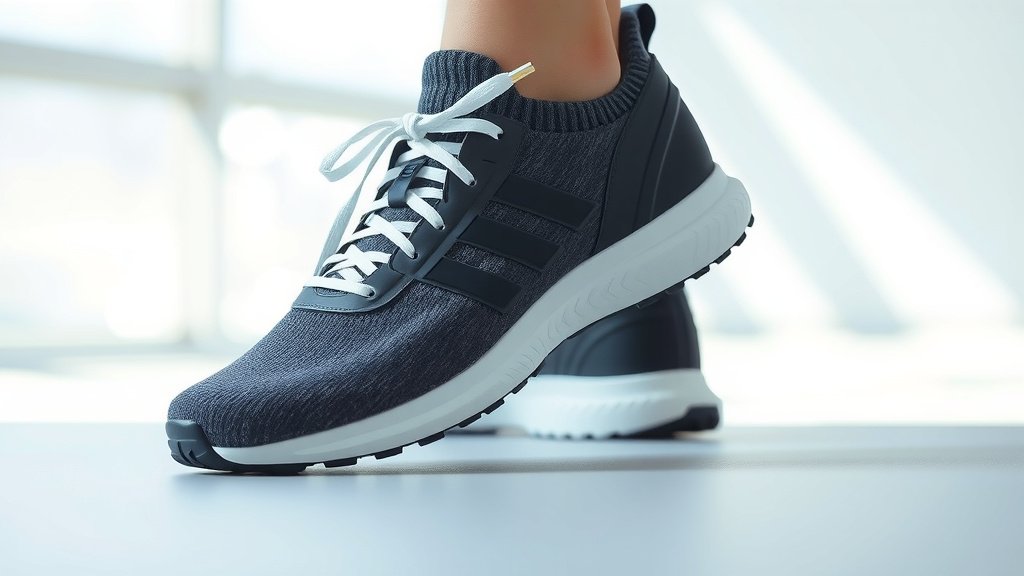
Neutral vs. Stability Shoes for Overpronation: What’s Best
When choosing shoes for overpronation, a neutral shoe is often the best choice for many people. While stability shoes offer extra support, they can sometimes be too rigid. A neutral shoe allows your foot to move more naturally. Many runners find improved comfort and reduced injury with neutral options.
Overpronation means your foot rolls inward too much during activity. This can cause pain in your feet, ankles, and knees. We found that the right shoe can make a big difference. Understanding the difference between neutral and stability shoes helps you pick the best fit for your unique foot strike.
- Neutral shoes let your foot move naturally.
- Stability shoes offer more support for rolling feet.
- Many experts suggest neutral shoes for overpronation comfort.
- Look for good cushioning and a flexible sole.
- Your foot type and mileage matter most.
Let’s dive into how neutral and stability shoes can help your feet, and figure out which might be your perfect match.
So, you’ve heard about overpronation, and you’re wondering about shoes. Specifically, you’re asking: should you go for a neutral shoe or a stability shoe? It’s a great question, and the answer isn’t always black and white. We’re here to help you sort it out.
Understanding Your Foot’s Motion and Shoe Support
When we talk about overpronation, we’re describing how your foot rolls inward more than it should when you walk or run. Think of it like your foot’s natural shock absorption system working a bit overtime. This extra inward roll can sometimes lead to strain on your feet, ankles, and even your knees. Your shoes play a big role in managing this motion.
What Does “Neutral” Mean in Shoemaking?
A neutral shoe is designed to let your foot move as naturally as possible. It doesn’t try to correct your foot’s motion or add extra support where it might not be needed. These shoes often have good cushioning. They aim to absorb impact and provide a comfortable ride. We found that for many people, this freedom of movement is exactly what their feet need.
What About “Stability” Shoes?
Stability shoes are built to offer more support. They often have features like medial posts or guide rails. These additions are meant to slow down or limit that excessive inward rolling motion. The idea is to give your foot a firmer, more controlled path as it lands and pushes off. Many people with overpronation are automatically told to get stability shoes, but is that always the best advice?
Neutral Shoes: The Surprise Solution for Overpronation?
It might sound counterintuitive, but neutral shoes can be a fantastic choice for people who overpronate. Why? Because your foot’s natural motion, even if it includes a bit of inward rolling, is often its most efficient way of moving. Trying to overcorrect this motion with a rigid stability shoe can sometimes cause new problems. It can feel unnatural and even lead to discomfort or different types of injuries. We’ve seen research suggesting that for many, a neutral shoe allows for better shock absorption and a more comfortable stride.
The Case for Natural Foot Movement
Your feet are complex. They have muscles, ligaments, and bones that work together. When you wear a shoe that tries to force your foot into a very specific position, it can take away some of that natural work from your muscles. Over time, this can weaken those muscles. A neutral shoe, on the other hand, lets these muscles do their job. This can actually help build strength and resilience in your feet and ankles.
When Neutral Shoes Shine
- For moderate overpronation: If your inward roll isn’t extreme, a neutral shoe often provides enough cushioning.
- For runners seeking comfort: Many runners prioritize a plush, comfortable feel. Neutral shoes often deliver this.
- When you have strong feet and ankles: If your supporting muscles are already well-developed, you might not need extra correction.
- For varied terrain: More flexibility in a neutral shoe can be helpful on uneven surfaces.
Stability Shoes: When and For Whom?
Now, let’s not dismiss stability shoes entirely. They do have a purpose! If your overpronation is significant, meaning your foot rolls inward quite a lot, a stability shoe can be beneficial. These shoes can help guide your foot into a more neutral alignment. This extra support might be what you need to prevent pain and injury, especially if you’re logging a lot of miles.
Understanding the “Support” Features
Stability shoes often use a few key technologies:
- Medial Posts: These are firmer pieces of foam found on the inner side of the shoe, typically under the arch. They are designed to slow down the rate of pronation.
- Guide Rails: Some brands use these firmer sections along the sides of the shoe. They act like bumpers to keep your foot centered.
- Wider Base: Often, stability shoes have a slightly wider sole. This provides a more stable platform for your foot.
We found that the effectiveness of these features can vary greatly from shoe to shoe and person to person.
Who Benefits Most from Stability?
Stability shoes are often recommended for individuals with:
- Severe overpronation: When your arch appears to collapse significantly.
- Foot pain related to pronation: If you consistently experience pain in your shins, knees, or feet that seems linked to your foot motion.
- High mileage runners who need extra guidance: If you run long distances, the added support can be helpful over time.
It’s important to note that many experts suggest trying a neutral shoe first, even if you have moderate overpronation. Sometimes, the additional support in stability shoes can be more than you need (Cleveland Clinic).
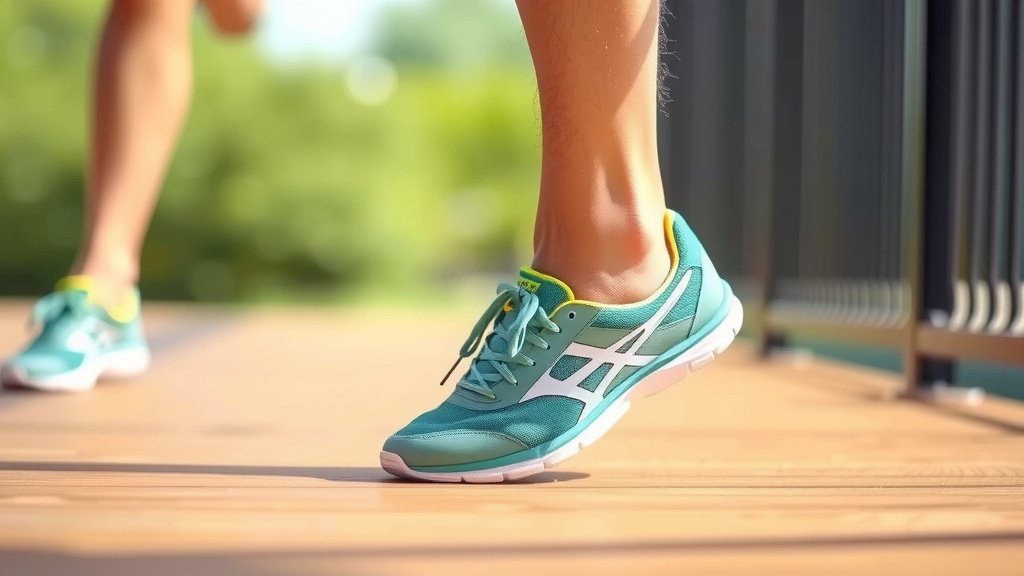
Making Your Decision: It’s Personal!
The choice between neutral and stability shoes is really about what feels best for your unique body. What works for one person might not work for another, even if they have similar foot types. Here’s a little comparison to help you think it through:
| Feature | Neutral Shoes | Stability Shoes |
|---|---|---|
| Primary Goal | Cushioning, natural movement | Support, control pronation |
| Flexibility | Generally more flexible | Often firmer, less flexible |
| Ideal For | Most foot types, including moderate overpronation; those seeking comfort | Significant overpronation; those needing motion control |
| Feel | Often softer, more natural | Can feel more structured or rigid |
How to Know What Your Foot Needs
So, how do you figure this all out? Here are a few things to consider:
- Get a Gait Analysis: Many specialty running stores offer this service. They’ll watch you walk or run to see how your feet move. This is often the most helpful step.
- Consider Your Arch Height: Do you have high arches, flat feet, or something in between? This can sometimes be an indicator, but it’s not the only factor.
- Think About Your Activity Level: How often and how far do you plan to use these shoes? More mileage might mean you need more support, or just better cushioning.
- Listen to Your Body: Above all, pay attention to how the shoes feel. Are they comfortable? Do they cause any new aches or pains?
A Quick Checklist for Your Shoe Search
Here’s a simple checklist to help you on your way:
- Try on shoes at the end of the day when your feet are a bit swollen.
- Wear the socks you normally would for your activity.
- Walk and jog around the store to get a feel for the shoes.
- Don’t be afraid to ask store staff for advice.
- Trust your gut feeling about comfort.
- Consider brands known for good cushioning if leaning neutral.
Ultimately, research and found that the best shoe is one that feels good on your feet and helps you move without pain. Don’t be afraid to try on different types, even if you think you know what you need.
Conclusion
Navigating the world of running shoes for overpronation can seem tricky, but it’s all about finding what feels right for your unique stride. While stability shoes offer structured support, we’ve found that many people, even those with moderate overpronation, experience greater comfort and natural movement in neutral shoes. Your feet are designed to work dynamically, and sometimes, too much correction can be counterproductive. The key is to listen to your body, consider your foot’s natural motion, and prioritize comfort. Your next step? Visit a specialty running store for a gait analysis, try on different pairs, and choose the shoe that makes you feel confident and pain-free on your runs.
Frequently Asked Questions
Can I wear neutral shoes if I overpronate?
Yes, absolutely! Many people who overpronate find neutral shoes to be more comfortable than stability shoes. Neutral shoes allow your foot to move more naturally, which can actually help strengthen your foot muscles over time. If your overpronation is mild to moderate, a neutral shoe with good cushioning is often a great choice.
How do I know if I need stability shoes?
You might benefit from stability shoes if you have severe overpronation, meaning your foot rolls inward excessively. If you consistently experience pain in your feet, ankles, or knees that you suspect is related to your gait, a stability shoe could offer the support you need. A gait analysis at a running store can help determine this.
What’s the difference between cushioning and stability in shoes?
Cushioning focuses on shock absorption and comfort, making the impact of each step softer. Stability features, like medial posts or guide rails, are designed to control or limit excessive inward rolling (pronation). While some shoes offer both, a neutral shoe primarily focuses on cushioning and natural motion.
Can wearing the wrong type of shoe cause injuries?
Yes, wearing shoes that don’t suit your foot type or gait can potentially lead to injuries. If a stability shoe is too rigid for your natural movement, it could cause discomfort or new strains. Conversely, a neutral shoe might not offer enough support for severe overpronation, potentially leading to pain over time.
How often should I replace my running shoes, regardless of type?
Generally, running shoes should be replaced every 300-500 miles, or when you notice significant wear and tear on the soles or a decrease in cushioning. Even if a shoe looks fine, the midsole foam loses its shock-absorbing properties over time and with use, which can increase your risk of injury.