
Find Your Perfect Running Shoes for Ultimate Comfort
Choosing running shoes for comfort starts with understanding your foot type. Look for shoes that offer the right amount of cushioning and support for your stride. Finding the perfect pair means less pain and more happy miles.
Many runners experience discomfort because they picked shoes not suited for them. We found that considering factors like pronation and the kind of running you do is key. Getting this right can prevent injuries and make running much more enjoyable.
- Know your foot arch type.
- Consider your running style (pronation).
- Think about where you run (road, trail).
- Try shoes on at the end of the day.
- Don’t be afraid to ask for help!
Let’s walk through exactly how to find those wonderfully comfortable running shoes you’ve been dreaming of.
Finding Your Perfect Running Shoe Fit for Supreme Comfort
So, you’re ready to find those running shoes that feel like clouds for your feet? That’s fantastic! Choosing the right pair is more than just picking a color; it’s about ensuring every step feels good. We’ve found that comfort is king when it comes to enjoying your runs. It means fewer blisters, less fatigue, and a whole lot more fun on the road or trail.
Understanding Your Foot’s Unique Needs
Before you even think about brands or styles, let’s get personal with your feet. What works for one runner might not work for another. It’s like finding the perfect pillow – it has to be just right for you.
Arch Type: The Foundation of Your Comfort
Your arch is the spring in your step. Knowing its shape helps determine the type of support you need. We found that many runners overlook this crucial detail. Our guide to the best running insoles explains how to choose based on your arch type.
High Arches
If you have high arches, you probably see a large gap when you look at the bottom of your foot. Your feet might also roll outward when you run. This means you need shoes with plenty of cushioning. Extra shock absorption is key to prevent impact from causing discomfort (Cleveland Clinic).
Normal Arches
A normal arch has a moderate curve. When you look at your foot, you’ll see a distinct but not overly large gap. If your arches are normal, you likely have a neutral stride. Most standard running shoes will work well for you, offering a good balance of support and flexibility.
Flat Arches (Low Arches)
Do you see almost the entire sole of your foot when you look down? That’s likely a flat arch. Your feet might roll inward when you run, a motion called pronation. You’ll want shoes that offer good stability and motion control to help guide your foot.
Gait Analysis: How Your Foot Moves
Closely related to your arch type is how your foot moves when you run, or your gait. This is often described by something called pronation.
Neutral Pronation
This is the ideal scenario. Your foot rolls inward slightly to absorb shock, then pushes off evenly. Runners with neutral pronation generally do well with shoes that offer a good blend of cushioning and flexibility. You don’t typically need highly specialized shoes.
Overpronation
This happens when your foot rolls inward too much upon landing. It’s common in runners with flat arches. Shoes with stability features, like firmer foam on the inner side, can help correct this and prevent injuries (Mayo Clinic).
Supination (Underpronation)
Supination is when your foot doesn’t roll inward enough, or even rolls outward. This is often seen with high arches. You need shoes with extra cushioning to help absorb shock since your foot isn’t doing as much of it naturally.
Matching Shoes to Your Running Environment
Where do you plan on pounding the pavement or trail? The surface you run on makes a big difference in the type of shoe that will feel best.
Road Running
If you mostly run on sidewalks, asphalt, or treadmills, you need shoes designed for hard, even surfaces. Road running shoes typically offer great cushioning to absorb impact and are lightweight for speed. They often have a smooth sole for good traction on pavement.
Trail Running
For off-road adventures on dirt paths, rocks, and roots, trail running shoes are your best bet. They feature more aggressive outsoles with deep lugs for superior grip. You’ll also find they offer more protection for your feet against sharp objects and have a stiffer feel for stability on uneven terrain.
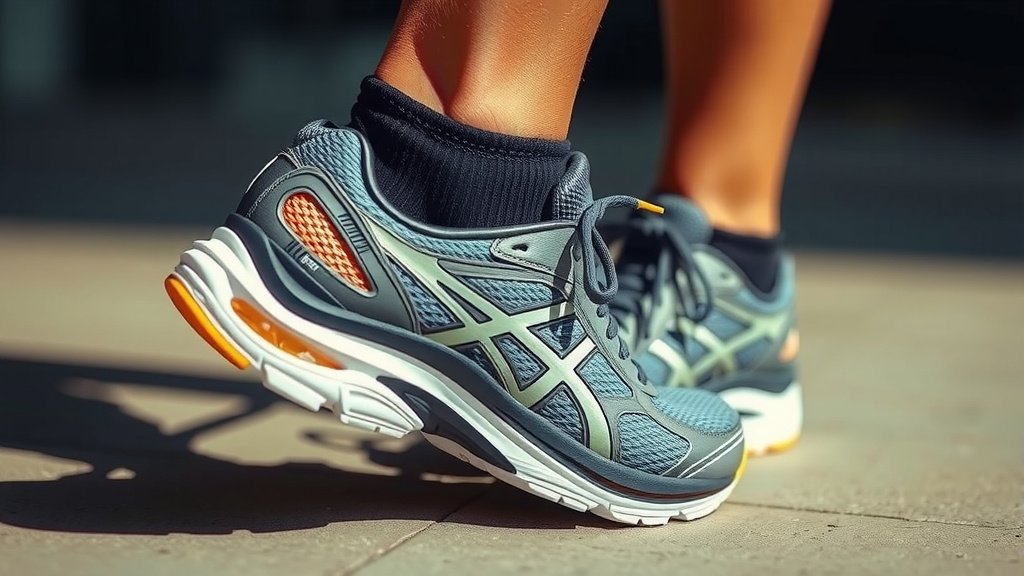
The Importance of Trying Shoes On Properly
This step is non-negotiable for finding comfort. Trying shoes on correctly can be the difference between happy feet and sore feet.
Timing is Everything: Shop Later in the Day
We found that our feet swell throughout the day, especially after being active. That’s why trying on running shoes in the afternoon or evening is best. This ensures the shoes you buy will fit comfortably even after a few miles when your feet have expanded.
Bring Your Running Socks
Don’t forget to wear the same type of socks you typically run in. The thickness of your socks can impact how a shoe fits. Using your running socks gives you a true sense of the snugness and any potential pressure points.
Walk and Jog Around the Store
Simply standing in the shoes isn’t enough. Take a little walk, and if possible, do a light jog around the store. Pay attention to how they feel with every step. Does anything rub? Is there enough room in the toe box? Do your heels slip at all?
Check the Fit: Key Areas to Inspect
There are a few key spots to focus on during your try-on:
- Toe Box: You should have about a thumb’s width of space between your longest toe and the end of the shoe. Your toes shouldn’t feel cramped.
- Midfoot: The shoe should feel snug and secure around your midfoot, but not tight. Your foot shouldn’t slide around inside the shoe.
- Heel: Your heel should feel locked in place. There shouldn’t be any significant slipping when you walk or jog.
When to Seek Expert Advice
Don’t hesitate to ask for help! Specialty running stores have knowledgeable staff who can be a huge asset. They can often analyze your gait and recommend shoes based on your specific needs. We found this guidance incredibly helpful for many runners looking for that perfect, comfortable fit.
Here’s a quick checklist to guide your next shoe shopping trip:
- Know your arch type (high, normal, flat).
- Understand your pronation (neutral, overpronation, supination).
- Consider where you run (road, trail, or both).
- Try shoes on in the afternoon with your running socks.
- Ensure adequate space in the toe box and a secure midfoot/heel fit.
- Ask store staff for a gait analysis and recommendations.
Conclusion
Finding running shoes that feel perfectly comfortable is totally achievable! You’ve learned that understanding your unique foot type, like arch height and pronation, is your first big step. Matching those needs with the right cushioning and support is key. Remember to consider where you run – roads and trails demand different features. By trying shoes on properly, especially later in the day with your running socks, you’ll feel the difference. Don’t hesitate to visit a specialty running store for expert advice. Your next comfortable run starts with the right pair of shoes!
Frequently Asked Questions
How often should I replace my running shoes?
We’ve found that most running shoes last between 300 to 500 miles. If you run regularly, this might mean replacing them every 4 to 6 months. Keeping track of your mileage helps you know when it’s time for a new, comfortable pair.
Can I wear my everyday sneakers for running?
While tempting, everyday sneakers often lack the specific cushioning and support designed for running’s repetitive impact. This can lead to discomfort and potential injuries. Running shoes are engineered to handle the demands of your stride much better.
What if my feet feel different after a long run?
This is totally normal! Your feet swell during runs. That’s why trying shoes on later in the day is so important. If you notice significant discomfort or pinching after longer runs in your current shoes, it might be time to reassess their fit or consider a shoe with more room.
Are expensive running shoes always more comfortable?
Not necessarily! While higher-end shoes often use advanced materials, comfort is highly personal. We’ve seen many runners find their perfect, comfortable fit in mid-range shoes. Focus on how they feel on *your* feet, not just the price tag.
How can I tell if a shoe is too tight in the toe box?
You should have about a thumb’s width of space between your longest toe and the end of the shoe. If your toes feel squished, or you stub them easily, the toe box is likely too small. Your toes need room to splay naturally when you run.