
Find Your Perfect Fit: How to Evaluate Running Shoe Comfort
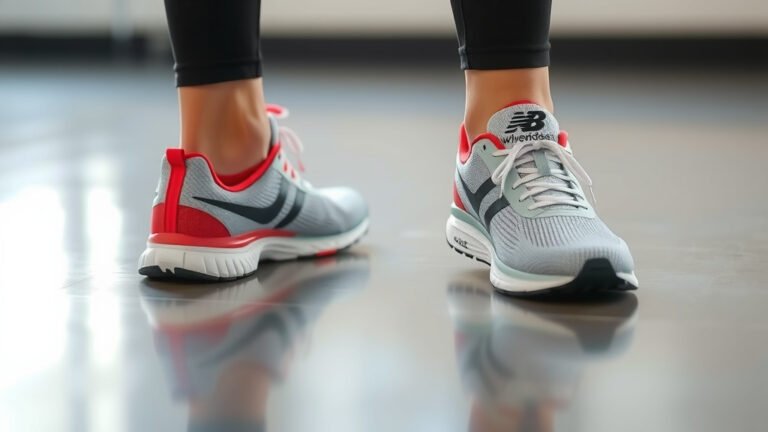
Evaluating running shoe comfort is all about listening to your feet and noticing how the shoe feels during your run. You’re looking for a snug, supportive fit without any pinching or rubbing. The best way to know if a shoe is comfortable is by taking it for a short jog to feel its cushioning and responsiveness.
Finding the right comfort means considering your personal needs, like your foot shape and how you run. Don’t be afraid to try on several pairs. We found that shoes that feel good in the store might feel different on the road, so a test run is key. Pay attention to how your feet feel after a mile or two.
- Comfort is personal.
- Try shoes on and run in them.
- Feel for cushioning and support.
- Check for rubbing or pinching.
- Listen to your feet!
Let’s walk through some simple steps to help you identify the most comfortable running shoes for your stride.
Figuring Out What Makes a Running Shoe Feel Right
So, you’re ready to find that perfect pair of running shoes. It’s not just about looks; it’s about how your feet feel during every stride. We found that the key to evaluating running shoe comfort is to pay close attention to the Finding your perfect marathon shoe can seem daunting, but it’s crucial for comfort and performance.fit, feel, and function of the shoe as you move. Think of your feet as tiny, incredibly sensitive experts who know exactly what they like.
What feels amazing on one runner’s foot might be a total disaster for another. That’s why the process is so personal. We’ve gathered some simple steps to help you tune into your feet and make a smart choice. It’s a journey, but a comfortable one.
The All-Important First Fit: Beyond Just Sizing
Before you even think about hitting the pavement, the initial fit in the store is your first big clue. You want a shoe that feels snug but not tight, like a friendly handshake for your feet.
Checking the Toe Box: Room to Wiggle
Your toes need space to spread out naturally. Press down gently on the front of the shoe. You should have about a thumb’s width of space between your longest toe and the end of the shoe. This prevents jamming your toes on downhill runs, which is never fun. We found that a cramped toe box can lead to blisters and bruised toenails.
The Midfoot Hug: Secure but Not Straining
How does the middle of your foot feel? The shoe should feel secure around your arch and instep, almost like it’s hugging your foot. However, this hug shouldn’t feel like a vise grip. If you feel any pressure points or pinching across the top of your foot, that’s a red flag. Many experts suggest the laces should feel snug, but you should still be able to slide a finger under the tongue easily (Mayo Clinic).
Heel Hold: No Slipping Allowed
Your heel should feel locked into place. Try a quick heel tap or lift your foot. If your heel slips up and down, the shoe isn’t holding your foot securely. This can cause blisters and instability. A good heel cup should feel firm but comfortable, preventing your heel from rolling excessively.
Taking Them for a Spin: The Test Run is Non-Negotiable
Trying shoes on while standing is one thing, but running is where the real evaluation happens. This is where you truly get to know your shoes. Don’t skip this step!
The Short Jog: Feeling the Initial Response
Many specialty running stores allow you to jog briefly on a treadmill or even outside. Pay attention to the immediate sensations. Do you feel any hot spots? Is the cushioning too soft or too firm for your liking? Many runners find that a shoe that feels okay when walking can feel very different once their foot strikes the ground with force.
Cushioning vs. Responsiveness: Finding Your Balance
Different shoes offer different levels of cushioning. Some feel like running on clouds, while others feel firmer and more connected to the ground. Think about your running style and what feels best. Do you prefer a soft landing after a long day, or do you like to feel the road beneath you, with a shoe that springs back?
We found that while plush cushioning can feel luxurious, some runners find it less responsive. On the other hand, very firm shoes might feel fast but lack comfort on longer runs. It’s a balance that’s unique to you. Many studies suggest adequate cushioning can help reduce impact forces on your joints (NCBI).
Flexibility: Where Does it Bend?
A good running shoe should bend naturally with your foot. Try bending the shoe with your hands. It should flex at the ball of your foot, where your toes naturally bend. If it’s too stiff or bends in the wrong place, it might force your foot into an awkward position, leading to discomfort. Imagine trying to bend a credit card; that’s not what you want in a running shoe.
Listen to Your Feet: Signs of Trouble
Your feet will tell you if something is wrong, often in ways that are hard to ignore. Be on the lookout for these common comfort killers.
Rubbing and Hot Spots: The Blister Brigade
Anywhere the shoe rubs uncomfortably is a problem. Pay attention to the back of your heel, the sides of your feet, and the top of your toes. These are prime areas for friction. If you feel a slight irritation, it will likely get much worse on a longer run.
Pinching or Pressure Points: Little Tortures
This can happen in the midfoot, around the ankle collar, or even on the top of your foot if the laces are too tight or the shoe is too narrow. These aren’t just annoying; they can actually alter your natural stride. If you feel a specific point of pressure, it’s a sign the shoe’s shape isn’t quite right for your foot.
Arch Discomfort: Support That Doesn’t Fit
Some shoes have built-in arch support. If this support feels too high, too low, or in the wrong spot for your arch, it can cause fatigue or even pain. You want support that feels natural, not intrusive. Many running shoe reviews mention this as a key differentiator between brands.
Comfort Checklist: Your Quick Reference Guide
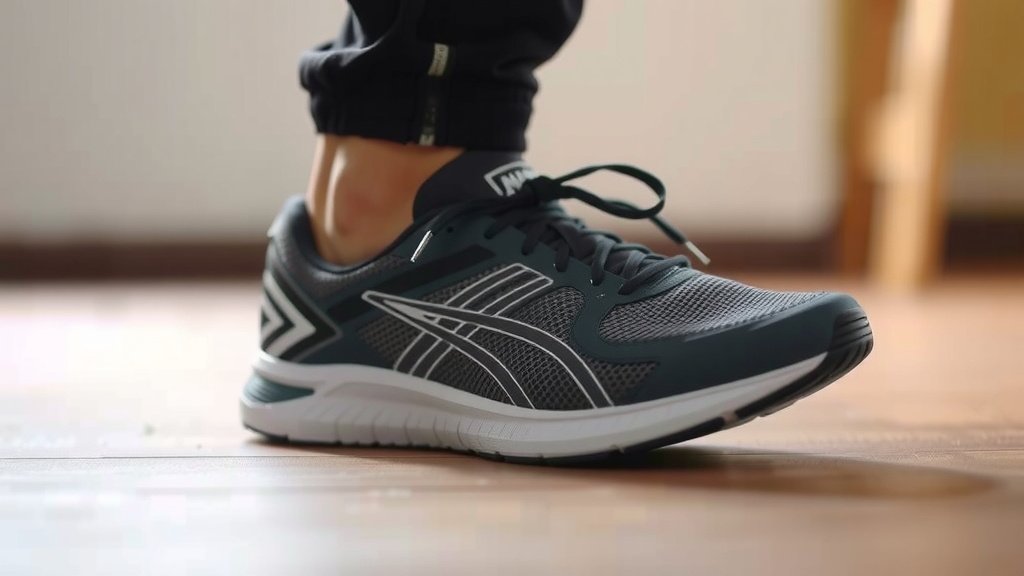
Here’s a quick rundown to keep in mind as you try on shoes:
- Does it feel snug but not tight?
- Is there enough room in the toe box?
- Does your heel stay put without slipping?
- Do you feel any pinching or rubbing?
- Is the cushioning and support right for you?
- Does it feel natural when you jog?
Beyond the Initial Feel: Long-Term Comfort Considerations
What feels great for a mile might change over several miles. Your feet swell slightly as you run, and the shoes need to accommodate that.
Shoe Weight: Does it Feel Heavy?
While not always a direct indicator of comfort, an excessively heavy shoe can feel tiring over time. If you’re constantly thinking about the weight of your shoes, they might not be the best fit for your endurance goals. We found that lighter shoes can sometimes feel more nimble, which many runners enjoy.
Upper Material: Breathability Matters
The material covering your foot should be breathable. Stuffy shoes can lead to sweaty feet, which increases the risk of blisters and general discomfort. Mesh uppers are common for a reason; they allow air to circulate. Keeping your feet cool is part of staying comfortable.
Durability: Will It Last?
While you can’t always tell immediately, consider that a comfortable shoe that breaks down quickly isn’t a great investment. Look for well-constructed shoes that seem like they’ll hold their shape and cushioning for a reasonable number of miles. Many manufacturers design shoes to last between 300-500 miles (CDC).
Remember, finding comfortable running shoes is about tuning into your body. What works for your running buddy might not be your perfect match. Trust your gut feeling and, most importantly, how your feet feel after you’ve given them a good run.
Conclusion
Finding comfortable running shoes is a personal journey. You’ve learned to trust your feet, paying attention to the initial fit and the crucial test run. Remember to check for a secure heel hold, adequate toe box room, and a midfoot hug that feels just right. Don’t overlook how the cushioning and flexibility serve your stride, or ignore any signs of rubbing or pinching.
Your goal is a shoe that feels like an extension of your foot, mile after mile. Make that test run your non-negotiable step. Your next action is to visit a running store, armed with this knowledge, and start your comfortable stride.
Frequently Asked Questions
How important is the width of a running shoe for comfort?
Shoe width is very important for comfort, especially if you have wider or narrower feet. A shoe that’s too narrow can cause pinching and blisters, while one that’s too wide might not offer enough support, leading to slippage. Many brands offer shoes in different widths to help you find that perfect snug, yet comfortable, fit.
Should I wear my usual running socks when trying on shoes?
Yes, absolutely! Always wear the type of socks you typically run in when trying on new shoes. Running socks often have specific padding or thickness that affects the shoe’s fit. Wearing them ensures you get an accurate feel for how the shoe will truly fit on your foot during a run.
What’s the difference between cushioning and responsiveness in running shoes?
Cushioning refers to how soft and shock-absorbent a shoe feels, often like running on clouds. Responsiveness, on the other hand, is about how much ‘energy return’ a shoe provides, making it feel springy and quick. You want a balance that suits your personal preference and running style.
Can I tell if a shoe will be comfortable on a long run just from a short try-on?
A short try-on gives you initial clues, but it’s not definitive for long-run comfort. Feet swell slightly during longer runs, and subtle issues like mild rubbing or pressure points can become much worse. That’s why taking shoes for a brief jog or test run is so critical to assess them better.
How often should I replace my running shoes for continued comfort?
You should generally replace your running shoes every 300-500 miles, or when you notice a significant decrease in cushioning or support. Losing that comfortable feel is a key indicator they’re worn out. Continuing to run in old shoes can lead to discomfort and potential injuries.