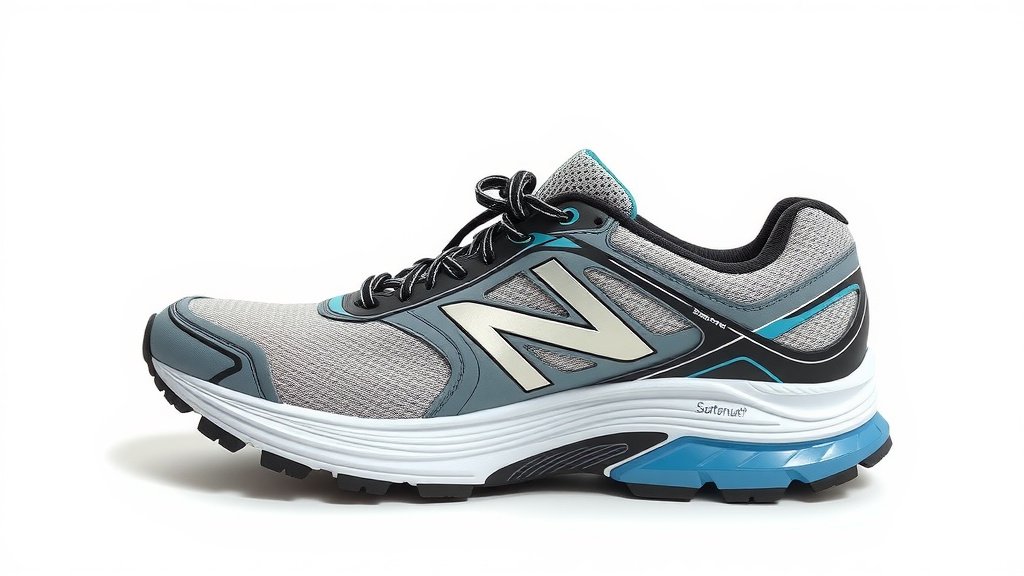
Understanding D Width Running Shoes for Your Perfect Fit
A D width running shoe is a running shoe designed for runners who need a wider fit than standard or medium shoes. It provides more room in the forefoot and midfoot areas. This extra space helps prevent common issues like pinching and discomfort during your runs. A D width is specifically for men with wide feet.
Understanding shoe width is key to comfortable running. Standard widths often don’t suit everyone’s foot shape. A D width is one of several options available, offering a solution for those who find regular shoes too snug. Choosing the right width can significantly impact your running performance and overall foot health.
- D width shoes are for men needing a wider fit.
- They offer more room in the front and middle of the shoe.
- This helps prevent discomfort and pressure points.
- A proper fit is essential for pain-free running.
Let’s get into what a D width running shoe really means for your feet and how to know if it’s the right choice for you.
“`htmlUnderstanding D Width Running Shoes for Men
So, you’ve heard the term “D width” in relation to running shoes. But what does it really mean for your feet? Simply put, a D width running shoe is designed for men who need a little extra room in their footwear. It’s a step up from the standard width, offering more space across the forefoot and midfoot. This can make a world of difference for your comfort on every run.
Think of your shoes like a comfortable handshake for your feet. Too tight, and it’s awkward and painful. Just right, and you can go for miles. Standard width shoes, often labeled as ‘R’ or ‘M’ (medium), are built for the average foot. However, many men find their feet are a bit wider than average. That’s where D width comes into play. It’s a thoughtful design choice for those who experience discomfort in regular-fit shoes.
What Does “D Width” Actually Mean?
In the world of shoe sizing, width is just as important as length. Brands use letters to denote width. For men, ‘D’ is the standard or medium width. If you find that most ‘medium’ shoes feel a bit snug, especially across the ball of your foot, you might need a wider size. A ‘D’ width shoe, in this context, is often considered a wide fit for men.
It’s a bit like trying on a shirt. Some brands fit a certain way, and you learn what works for you. For running shoes, understanding width helps you avoid common foot issues. It’s not just about feeling good; it’s about performance and injury prevention. A D width is specifically designated as the wide option for men’s running shoes by many manufacturers.
Width Designations for Men’s Shoes
To put it in perspective, here’s a quick rundown of common men’s shoe widths:
| Width Designation | Description |
|---|---|
| B | Narrow (less common for men) |
| D | Medium/Standard |
| 2E | Wide |
| 4E | Extra Wide |
| 6E | Extra Extra Wide |
Wait, that table might be a little confusing. You see, there’s a slight variation in how brands label widths, especially for running shoes. While ‘D’ is often considered medium for dress shoes, in running shoe sizing, it’s typically the wide option for men. This is a key distinction!
So, if you’re a guy who typically wears a ‘D’ width in casual shoes, you might actually need a 2E or even a 4E in running shoes. We’ll clarify this further, but the main takeaway is that when looking at running shoes, a D width is generally your go-to for a wider fit if you’re male.
Why Does Shoe Width Matter So Much for Runners?
Your feet do a lot of work when you run. They hit the ground thousands of times. Even a slight pinch or rub can turn into a real problem. When your running shoes are too narrow, your feet can get squished. This can lead to a variety of issues. You might experience blisters, bunions, or even nerve pain. It’s like trying to cram a big pizza into a small box – it just doesn’t end well.
Running puts a lot of pressure on your feet. They naturally swell up as you move. A shoe that fits perfectly at rest might feel too tight after a few miles. This is where a bit of extra room in a D width shoe can really help. It accommodates that natural swelling. It allows your toes to splay a bit. This natural movement is important for balance and shock absorption.
Common Foot Issues Linked to Narrow Shoes
Many runners struggle with foot pain that could be avoided with the right shoe width. We found that common complaints include:
- Pain on the sides of the foot.
- Toes feeling numb or tingling.
- Development of corns or calluses.
- Sharp pain under the ball of the foot.
- Achilles tendon issues.
These issues aren’t just annoying; they can sideline you. They can affect your training schedule. A properly fitted D width shoe can prevent these problems from starting or getting worse.
How to Tell If You Need a D Width Running Shoe
You might be wondering, “Is a D width shoe right for me?” It’s a great question. The best way to know is to pay attention to how your current shoes feel. Do your feet feel cramped? Do you experience discomfort on your runs, especially after a certain distance? These are big clues.
Think about your daily shoe-wearing experience. Do you often feel a need to loosen your laces halfway through the day? Do you notice red marks on the sides of your feet after taking your shoes off? These are tell-tale signs that your shoes might be too narrow. For runners, this discomfort can be amplified by the repetitive impact of the sport.
Signs Your Feet Are Wider Than Standard
Here are some practical things to look out for:
- Your feet feel squeezed, especially at the widest part.
- You get blisters or hot spots on the sides of your feet.
- Your toes feel squished together or rub against the shoe’s upper.
- You notice bunions or hammertoes developing or worsening.
- You tend to wear out the sides of your running shoes quickly.
If a few of these sound familiar, it’s highly likely you’d benefit from a wider shoe. It’s not about having “big” feet; it’s about having feet that need a bit more breathing room to function optimally.
The Foot Tracing Method
A simple way to get an idea of your foot’s width is to trace it. On a piece of paper, stand with one foot flat and trace around it. Then, measure the widest part of your foot across the ball. Compare this to a sizing chart for your favorite running shoe brands. They often provide measurements for different widths. This can give you a good starting point for knowing what size to look for.
Many shoe stores also offer gait analysis and fitting services. A professional can measure your foot’s length and width. They can also observe how you run. This professional assessment is often the most accurate way to determine your ideal shoe size and width.
D Width vs. Other Wide Options (2E, 4E)
As we touched on earlier, the “D” designation can be a bit confusing in the running shoe world. While it’s often considered medium for men’s casual shoes, it usually signifies a wide fit for men’s running shoes. Brands like Brooks, Saucony, and New Balance often use ‘D’ as their standard wide option for men.
So, if you’re buying men’s running shoes and you know you need more width, look for the ‘D’ designation. If ‘D’ still feels a bit snug, then you’ll want to move up to 2E (extra wide) or 4E (extra extra wide). Think of it as a progression: Standard Medium (usually not explicitly labeled for men in running shoes) -> D (Wide for men) -> 2E (Extra Wide) -> 4E (Extra Extra Wide).
It’s always best to try shoes on if possible. What feels comfortable for one runner might differ for another. Different brands also have slightly different lasts (the mold a shoe is built around), so a D width in one brand might feel different from a D width in another. Your best bet is to try them on and see how they feel during a short walk or jog.
A Quick Checklist for Your Next Shoe Purchase
To help you find the perfect fit, keep these points in mind:
- Check your current shoes for signs of tightness.
- Consider if you get hot spots or blisters on the sides of your feet.
- Remember that ‘D’ often means wide for men’s running shoes.
- Don’t hesitate to try 2E or 4E if ‘D’ still feels too narrow.
- Get your feet measured by a professional if you’re unsure.
- Try them on and walk or jog around before buying.
Finding the right width is a vital part of your running journey. It ensures comfort and helps prevent injuries. A D width running shoe is a fantastic option for many men seeking that extra bit of room. Your feet will thank you for it!
“`
Conclusion
You’ve learned that a D width running shoe is your ally if standard widths feel too snug. It’s designed for men who need that extra space in the forefoot and midfoot. This extra room is key for preventing common running discomforts like blisters and pinched nerves. Paying attention to how your feet feel during and after your runs is your best guide.
Don’t ignore foot pain – it’s your body’s signal. If your current shoes feel tight, consider trying a D width. Your next step is to visit a running store for a professional fitting. They can measure your feet and help you find the perfect D width shoe that lets you run comfortably and pain-free.
Frequently Asked Questions
Is a D width shoe the same as a medium width shoe for men?
For men’s running shoes, a D width is typically considered the wide option, not medium. Many brands designate ‘D’ as their standard wide fit for men. If you usually wear a medium width in casual shoes, you might need a D width or even wider in running shoes.
How do I know if I need a D width running shoe instead of a standard one?
If your current running shoes feel tight, especially across the ball of your foot, or if you get blisters on the sides of your feet, you likely need a wider fit. Pay attention to any numbness or tingling in your toes during your runs.
Can women wear D width running shoes?
Generally, no. For women, a standard or medium width is usually a ‘B’ width. A ‘D’ width is typically reserved for men needing a wider fit. Women who need wider shoes should look for ‘D’ or ‘2E’ width designations specifically for women’s shoes, which are wider than a standard women’s ‘B’ width.
What’s the difference between D, 2E, and 4E widths for men?
Think of it as a scale of width. ‘D’ is a wide fit for men. ‘2E’ is wider than ‘D’, often called extra wide. ‘4E’ is even wider, referred to as extra extra wide. If a ‘D’ width shoe still feels too tight, you’ll want to try a 2E or 4E.
Will buying a D width shoe fix my foot pain?
A properly fitted D width shoe can significantly help reduce pain caused by narrow footwear. If your pain is due to your foot being squeezed in a standard shoe, switching to a D width can alleviate pressure points, blisters, and nerve irritation. However, persistent pain should always be evaluated by a medical professional.