Sprint Spikes vs Distance Spikes: Which is Right for You
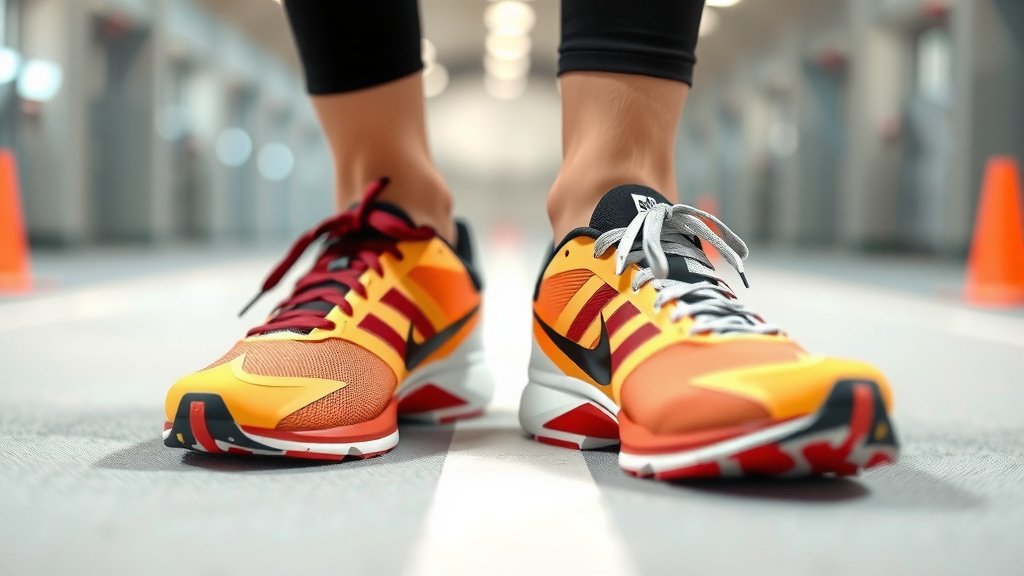
When choosing between sprint spikes and distance spikes, the key difference lies in their construction and purpose. Sprint spikes are built for maximum power and acceleration over short distances, featuring a stiffer sole and aggressive spike plates. Distance spikes, on the other hand, prioritize comfort and a smoother transition for longer races, offering more flexibility and cushioning.
Both types of spikes are designed to give runners better grip and responsiveness on the track. However, using the wrong spike for your event can hinder your performance. Sprint spikes can feel stiff and uncomfortable for distance runners, while distance spikes may lack the rigidity sprinters need for explosive starts. We found that understanding these subtle design differences is crucial for every track athlete.
- Sprint spikes: Stiff, aggressive, for power and speed.
- Distance spikes: Flexible, cushioned, for endurance and comfort.
- Using the wrong spike can hurt your race.
- Choose spikes based on your event for best results.
Let’s dive into the specific features that set these two types of track shoes apart, so you can make the best choice for your next race.
“`htmlDecoding the Differences: Sprint Spikes vs. Distance Spikes
Choosing the right track spikes can feel like picking a superpower for your feet. You’ve got the fast ones for short bursts and the steady ones for the long haul. We’ve looked at how these specialized shoes are designed. You’ll learn what makes each type tick. This will help you choose the perfect pair for your next race.
The Sole Story: What’s Under Your Foot?
Sprint Spikes: Built for Explosive Power
Imagine a sprinter exploding from the starting blocks. That raw power needs a shoe that can handle it. Sprint spikes are engineered for exactly this. They have a stiffer, often rigid sole plate. This plate is designed to maximize energy transfer. It helps you push off the track with maximum force. Think of it like a stiff board versus a flexible one. The stiff board transfers more energy directly. This is key for sprinters needing that immediate burst.
The spike plate on sprint shoes is usually full-length or nearly full-length. This provides a broad surface for grip. It also distributes pressure evenly across the forefoot. Many sprint shoes have a sharkskin-like texture on the sole. This adds even more grip. It prevents any slipping when you’re going all out. We found that this aggressive design is what separates them.
Distance Spikes: Designed for Sustained Effort
Now, picture a distance runner hitting their stride. They need something different. Distance spikes offer more flexibility. Their soles are less rigid than sprint spikes. This allows for a more natural foot motion over many miles. A flexible shoe bends with your foot. This reduces strain and fatigue on longer runs. It feels more comfortable for extended periods.
The spike plate in distance shoes is often shorter. It might only cover the forefoot. This allows the heel to move more freely. It contributes to a smoother, more efficient stride. Some distance spikes also include a bit of cushioning. This is a welcome feature for runners pounding the track for longer. It helps absorb some of the impact. Many athletes report that this cushioning makes a big difference.
Upper Construction: Fit and Feel Matters
Sprint Spikes: Snug and Supportive
The upper part of a sprint spike is built for security. It often features a tight-fitting, sock-like construction. This helps lock your foot in place. It prevents any movement inside the shoe. This is vital for preventing blisters and ensuring all your effort goes into forward motion. Many use synthetic materials. These are lightweight and durable. They offer good breathability too.
Some high-end sprint spikes have carbon fiber plates embedded in the upper. This adds even more stiffness. It provides excellent support. It helps prevent your foot from rolling. This is a small detail that can make a big performance difference. You want your foot to feel like one with the shoe. Research suggests this close fit is crucial for sprinters (NCBI).
Distance Spikes: Breathable and Light
Distance spike uppers focus on being lightweight and breathable. They often use mesh materials. This allows for maximum airflow. It helps keep your feet cool and dry. This is important when you’re running for a longer time. Hot, sweaty feet can lead to discomfort and blisters. Breathability helps prevent that. The fit is still secure, but typically less constricting than sprint spikes. You don’t want anything rubbing or chafing.
The goal is a shoe that feels like an extension of your foot. It should be comfortable from the first mile to the last. Some distance spikes also have minimal padding. This keeps the weight down. It also allows for a better feel of the track surface. This connection can help improve your running form. Many runners say they feel more agile.
Spike Configuration: Gripping the Track
Sprint Spikes: Aggressive Grip
Sprint spikes typically have more spike receptacles. This allows for more aggressive placement of spikes. You’ll often find spikes concentrated under the forefoot. This is where the most force is applied during acceleration. The goal is to dig into the track surface. This provides maximum traction for powerful push-offs. You might see up to 5 or 6 spike holes in the forefoot area.
Distance Spikes: Balanced Traction
Distance spikes usually have fewer spike receptacles. They might have 2-4 spikes. These are often placed strategically. They aim for a balance between grip and a smooth ride. You won’t find spikes crammed into the forefoot. Instead, they might be spread out. This ensures you get good traction. But it doesn’t feel overly aggressive. This helps with comfort over many laps. It allows for a more fluid transition between strides.
Weight and Flexibility: A Tale of Two Shoes
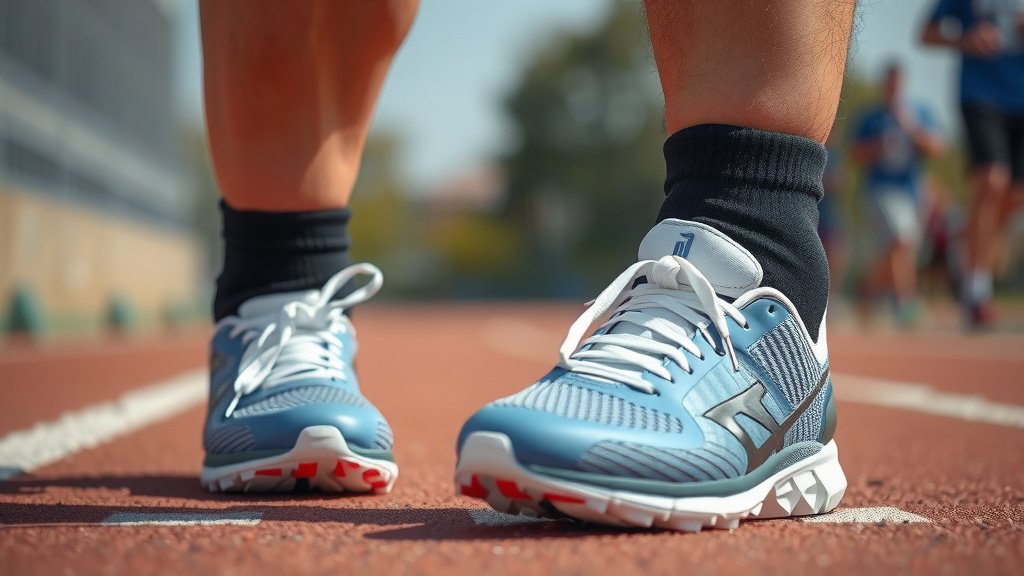
Weight is another big differentiator. Sprint spikes are often lighter. Every ounce matters when you’re shaving milliseconds. They achieve this by using minimal materials. The focus is on performance, not plush comfort. Distance spikes, while still lightweight compared to everyday shoes, might be slightly heavier. This is often due to the added cushioning or more robust sole construction.
Flexibility is, as we’ve discussed, a major factor. Sprint spikes resist bending. They keep your foot rigid. This is for power transfer. Distance spikes bend easily with your foot. This is for comfort and efficiency over time. Think of a stiff ruler versus a flexible measuring tape. One snaps, the other bends and returns.
Making Your Choice: What’s Your Event?
So, how do you decide? It really comes down to what you’re running. If you’re a sprinter, focusing on 60m to 400m, or even the 400m hurdles, sprint spikes are your best bet. They provide the stiffness and aggressive grip needed for those explosive efforts.
If you’re running events like the 800m, 1500m, 3000m, 5000m, 10000m, or steeplechase, distance spikes will serve you better. They offer the flexibility and comfort required for sustained effort. Many experts agree that selecting spikes based on your primary event is key for optimal performance (Cleveland Clinic).
A Quick Checklist for Your Spike Selection:
- Consider your primary running events.
- Assess your need for stiffness vs. flexibility.
- Think about the desired level of cushioning.
- Evaluate the importance of maximum forefoot grip.
- Prioritize lightweight construction for your event.
- Don’t forget about the fit – it should be secure.
Ultimately, the goal is to find a shoe that enhances your natural abilities. It should feel like a natural extension of your foot. Trying on different models is always recommended. What feels great for one runner might not for another. We found that personal preference plays a role too.
“`Conclusion
You’ve learned that sprint spikes and distance spikes are designed with your performance in mind. Sprint shoes offer a stiff, aggressive platform for explosive starts. Distance shoes provide flexibility and cushioning for sustained effort. Choosing the right type means matching the shoe’s features to your event’s demands. This ensures you get the most out of your track efforts. Now, it’s time to check your current spikes or plan your next purchase. Make sure your footwear supports your speed and endurance goals.
Frequently Asked Questions
Can I use sprint spikes for longer races like the 800m?
While you technically can, it’s generally not recommended. Sprint spikes are very stiff and lack the cushioning needed for longer distances. You might find them uncomfortable and they could hinder your natural stride over many laps.
Are distance spikes heavy compared to sprint spikes?
Distance spikes are typically a bit heavier than sprint spikes, but still very lightweight overall. This is usually due to added cushioning or slightly more robust sole construction needed for comfort and durability in longer races.
How many spikes should be on my track shoes?
Sprint spikes usually have more spike receptacles, often concentrated in the forefoot for maximum grip. Distance spikes typically have fewer spikes, placed strategically for a balance of traction and a smoother ride.
What does “stiffness” mean in a spike shoe?
Stiffness refers to how much the sole resists bending. Sprint spikes have a very stiff sole to maximize energy transfer for explosive power. Distance spikes are more flexible, allowing your foot to move more naturally over longer distances.
Is it okay to use the same pair of spikes for training and racing?
Many athletes use their distance spikes for both training and racing, as they offer more comfort and versatility. Sprint spikes are often reserved for races or very specific speed work due to their aggressive design.