Choosing Running Shoes for Interval Training August 2026
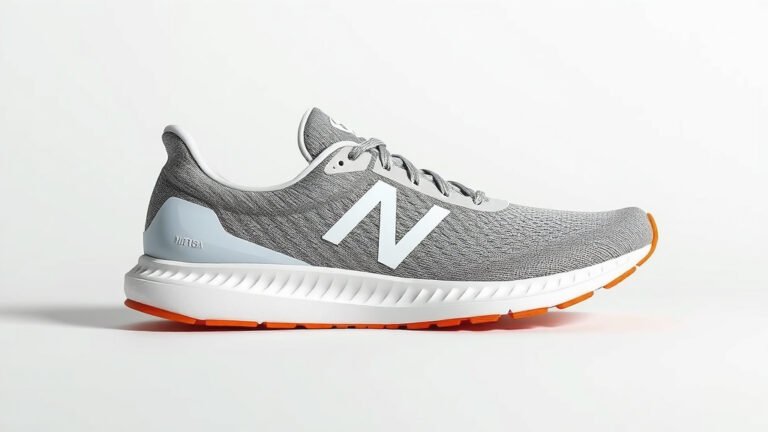
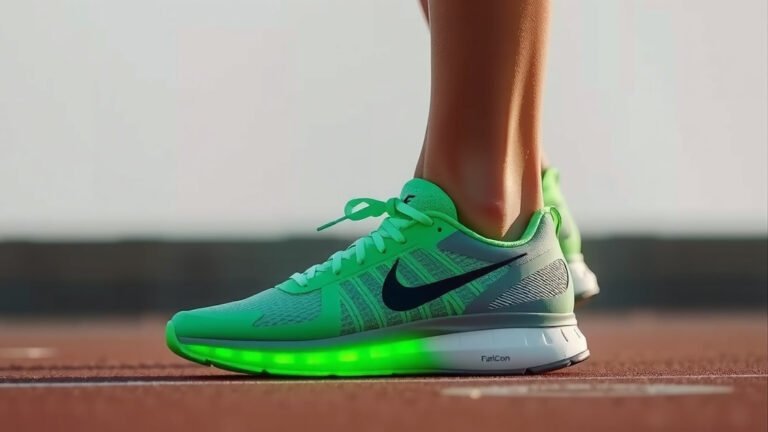
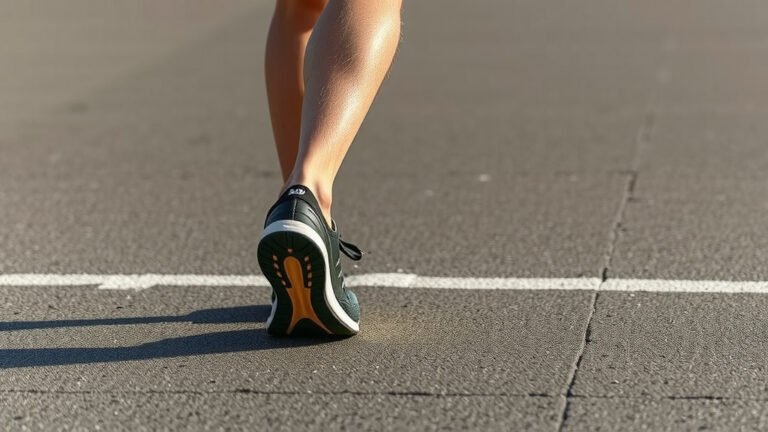
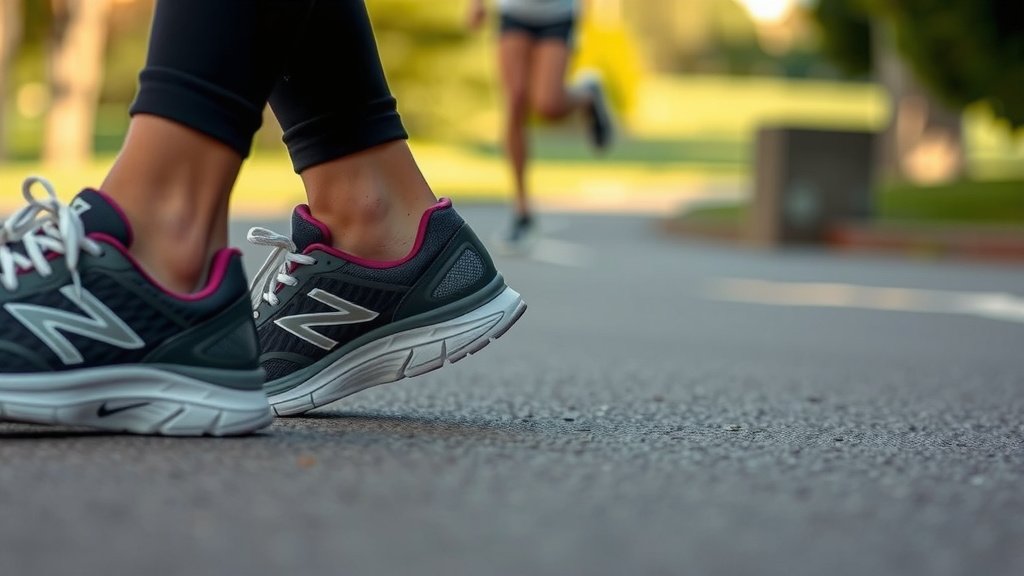
Choosing the right running shoes for interval training means finding a pair that offers both responsive cushioning and a secure fit. You want shoes that feel light and quick for those fast bursts of speed, yet provide enough support for repeated impacts. Look for shoes with good energy return to help you push off efficiently during sprints. A snug midfoot wrap is also key to prevent slippage when you change direction quickly.
Interval training, with its mix of all-out efforts and recovery jogs, puts unique demands on your footwear. Unlike long, steady runs, you need shoes that can handle rapid acceleration and deceleration. We found that shoes designed for speed work often have a firmer, more flexible sole. This helps transfer energy effectively. Many runners also prefer a shoe that isn’t overly padded, allowing for better ground feel and control during quick movements.
- Look for responsive cushioning.
- Prioritize a secure and snug fit.
- Consider shoes designed for speed work.
- Ensure good flexibility and ground feel.
Ready to find your perfect pair? Let’s dive into the key features to look for when selecting running shoes specifically for your interval training sessions.
Choosing the Right Shoes for Your Interval Workouts
Interval training is all about pushing your limits. You go hard, then recover, then go hard again. Your shoes need to keep up with this demanding rhythm. We found that the best shoes for interval sessions balance responsiveness with a secure feel. They help you feel quick on your feet. They also need to handle the repeated stress of hard efforts.
Key Features to Look For
Cushioning That Gives Back
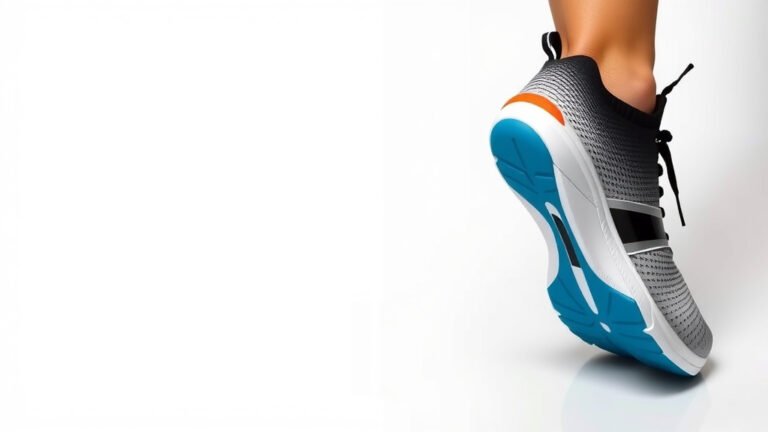
For interval training, you want cushioning that’s not too soft. It should feel responsive. This means it springs back quickly after impact. Think of it like a trampoline. It gives you a little boost with each step. Too much soft cushioning can feel mushy. It might make it harder to get off the ground quickly for your sprints. We found that many runners prefer a shoe with a firmer foam that still offers good shock absorption.
Lightweight and Agile Design
Speed is key during interval workouts. You don’t want heavy shoes holding you back. Look for shoes that feel lightweight on your feet. This will help you feel more agile and quick. Many shoes designed for speed work are built with lighter materials. This means less bulk and more freedom for your feet. A lighter shoe can make a real difference when you’re trying to shave seconds off your intervals.
A Secure and Snug Fit
When you’re changing direction or accelerating hard, your shoes need to stay put. A secure fit prevents your foot from sliding around inside the shoe. This can lead to blisters and a loss of power. Look for shoes with a good midfoot wrap. This means the upper material hugs your arch nicely. A snug heel counter also helps keep your foot locked in place. We found that a shoe that feels like an extension of your foot is ideal.
Flexibility for Efficient Push-Offs
Interval training involves a lot of quick movements. Your shoes should allow your feet to move naturally. Look for shoes that are flexible in the forefoot. This allows for a smooth transition from landing to toe-off. It helps you push off efficiently during your sprints. Too much stiffness can hinder this natural motion. Many experts suggest a shoe that bends easily where your foot naturally bends.
Ground Feel and Stability
While cushioning is important, you also need to feel connected to the ground. This ground feel helps with balance and control. It’s especially helpful when you’re running at higher speeds or on uneven surfaces. Shoes that offer a good balance of cushioning and ground feel help you react quickly. Many experienced runners look for shoes that aren’t overly tall or wobbly. A stable platform helps prevent ankle rolls.
Understanding Different Shoe Types
Racing Flats vs. Trainers
You might see shoes labeled as “racing flats” or “trainers.” Racing flats are usually very lightweight. They have minimal cushioning. They’re built for pure speed. Trainers are more versatile. They offer more cushioning and durability. For interval training, a shoe that sits somewhere in between can be perfect. You might even consider having a pair of lighter, more responsive shoes for your hardest interval days. These can complement your everyday trainers.
Minimalist Shoes for Enhanced Feel
Some runners prefer minimalist shoes for interval training. These shoes have very little cushioning and a low heel-to-toe drop. They encourage a more natural foot strike. We found that this can improve your form and responsiveness. However, they require a gradual adaptation period. If you’re new to them, start slowly to avoid injury. The American Podiatric Medical Association suggests building up mileage gradually (APMA).
What to Consider for Your Foot Type and Gait
Arch Support Needs
Your foot arch plays a role in shoe choice. If you have flat feet, you might need more support. This helps prevent your foot from rolling inward too much. Shoes with good arch support can guide your foot. If you have high arches, you might need more cushioning. This helps absorb shock. Many shoe brands offer different support levels. We found that trying on different options is key.
Pronation Patterns
Pronation is how your foot rolls inward upon impact. Neutral pronation means your foot rolls slightly inward. This is normal. Overpronation means your foot rolls inward excessively. This can lead to injuries. Supination means your foot doesn’t roll inward enough. Your gait analysis can help determine your pattern. Many experts recommend neutral shoes for neutral runners. If you overpronate, stability shoes might be a good choice.
Putting it All Together: Your Checklist
Ready to pick out your perfect interval training shoes? Here’s a quick checklist to guide you:
- Lightweight feel: Does the shoe feel quick on your feet?
- Responsive cushioning: Does it provide a good energy return?
- Secure fit: Does your foot feel locked in without being too tight?
- Flexibility: Can you easily bend the shoe at the forefoot?
- Ground feel: Do you feel connected to the surface without being uncomfortable?
- Appropriate support: Does it align with your arch type and pronation?
| Shoe Type | Best For | Key Characteristics |
|---|---|---|
| Lightweight Trainers | Most interval training, tempo runs | Balanced cushioning and responsiveness, good for speed and some comfort. |
| Racing Flats | Short, fast intervals, track work | Very lightweight, minimal cushioning, maximum speed and efficiency. |
| Minimalist Shoes | Experienced runners, focus on form | Low cushioning, high ground feel, promotes natural foot movement. |
Conclusion
You’ve learned what makes a running shoe great for interval training. It’s all about finding that sweet spot between responsive cushioning and a secure, locked-in fit. Prioritize shoes that feel light and help you spring forward during sprints. Remember to consider your foot type and gait for the best match. By focusing on these key features, you can select shoes that support your speed work. Now, get out there and nail those intervals!
Frequently Asked Questions
Are the same shoes good for interval training and long runs?
Generally, no. Interval training shoes are designed for speed and responsiveness, often with less cushioning. Long run shoes prioritize comfort and sustained support for endurance. You might find that using different shoes for each type of run benefits your performance and prevents injury.
How important is ground feel for interval training shoes?
Ground feel is quite important for interval training. It allows you to feel more connected to the road or track, helping with balance and quick adjustments during high-speed efforts. Too much cushioning can sometimes mask this feel, making it harder to react quickly.
Should I get a size up for interval training shoes?
It’s not always necessary to size up. However, you want enough room in the toe box so your feet don’t feel cramped during intense efforts, especially if your feet swell a bit with speed. A secure midfoot fit is more critical than extra length.
Can I use racing flats for all my interval training?
Racing flats are excellent for very fast, short intervals or track work. However, they offer minimal cushioning and support, which might not be ideal for longer or more intense interval sessions. A lightweight trainer or a shoe that bridges the gap between trainers and flats is often more versatile.
What if I have wide feet, how does that affect my interval shoe choice?
If you have wide feet, look for brands that offer shoes in wide (2E or 4E for men, D or 2E for women) options. A shoe that feels too narrow can cause discomfort and blisters, especially during quick movements. Ensure the fit is secure but not constricting across the width of your foot.