Your Guide to Choosing Daily Training Running Shoes
Choosing the right running shoes for your daily training means prioritizing comfort, proper fit, and your specific running needs. Don’t overthink it; focus on how the shoe feels on your foot during a short jog. The best shoes will feel natural and supportive from the first step.
Your daily trainers are your workhorses, supporting you through miles of pavement, trails, or track. We found that selecting the right pair can prevent injuries and make your runs more enjoyable. Consider your pronation, cushioning preference, and the terrain you typically run on.
TL;DR:
- Focus on comfort and fit first.
- Consider your pronation (how your foot rolls).
- Think about how much cushioning you like.
- Match shoes to your usual running surface.
- Try them on and jog a bit before buying.
Let’s walk through exactly how to find those perfect daily training partners!
Finding Your Ideal Daily Running Shoe
So, you’re ready to lace up and hit the road (or trail!) consistently. Your daily trainers are the workhorses of your running gear. They’ll carry you through countless miles. It’s essential to find a pair that feels just right. We found that the best daily trainers offer a blend of comfort, support, and durability. They should feel like an extension of your foot. This guide will help you navigate the choices.
Understanding Your Foot’s Needs
Before you even look at a shoe, it helps to know a little about your own feet. What works for one runner might not work for another. Think of it like finding the perfect pair of jeans – it’s personal!
Pronation: How Your Foot Rolls
Pronation refers to the natural inward roll of your foot when you run. Understanding this can guide you toward the right support. Many experts say this is a key factor (American Academy of Podiatric Sports Medicine).
- Neutral Pronation: Your foot rolls inward just the right amount. You’ll likely do well in most standard running shoes.
- Overpronation: Your foot rolls inward too much. You might benefit from shoes with added stability.
- Supination (Underpronation): Your foot doesn’t roll inward enough, or rolls outward. You’ll likely need shoes with extra cushioning and flexibility.
We found that if you’re unsure about your pronation, watch your old running shoes. Are they worn down more on the inside or outside edge? That can offer clues. You can also visit a specialty running store. They often have trained staff who can analyze your gait.
Cushioning: Your Comfort Zone
How much padding do you want underfoot? This is a matter of personal preference. Some runners crave a plush, soft feel. Others prefer a firmer, more responsive ride.
- Maximalist: These shoes have a lot of foam. They offer excellent shock absorption and a very comfortable feel. Think clouds for your feet!
- Moderate Cushioning: A good balance of softness and responsiveness. This is a popular choice for many daily trainers.
- Minimalist/Barefoot: Very little cushioning. These shoes promote a more natural foot strike. They require a gradual transition.
We found that for daily training, a moderate to maximal level of cushioning is often preferred. It helps reduce impact over long distances. But, if you love the feeling of the ground, don’t shy away from less cushioning.
Matching Shoes to Your Running Surface
Where do you do most of your running? The terrain can influence the type of shoe that’s best. Your daily trainers should be versatile enough for your usual routes.
Road Running
Pavement and asphalt are hard surfaces. Shoes for road running typically feature a smooth, durable outsole and ample cushioning to absorb shock. They are designed to be lightweight and flexible. This makes them great for long, consistent efforts.
Trail Running
If your runs take you off-road onto dirt paths, gravel, or singletrack, trail shoes are a better bet. They have more aggressive outsoles with deeper lugs for traction. Many also offer more protection against rocks and roots. They can be a bit stiffer. We found that using trail shoes on the road will wear them down faster.
Track and Treadmill
For dedicated track workouts or treadmill miles, lighter, more responsive shoes might be ideal. Some runners even have a separate pair for these surfaces. But for general daily training on these, a good road shoe will often suffice.
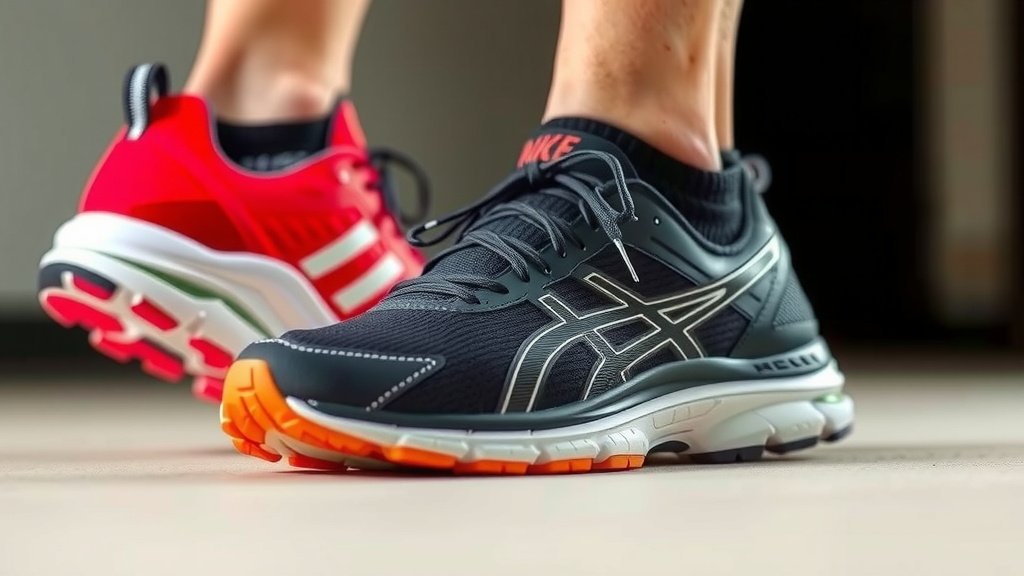
The Try-On Test: What to Look For
This is where the magic happens! When you try on shoes, wear the type of socks you typically run in. Many experts suggest trying shoes on later in the day (Mayo Clinic). Your feet swell throughout the day, so this gives you a truer fit.
The Fit Check
Walk around the store. Do your toes feel cramped? Is there any pinching or rubbing? Your heel should feel secure and not slip up and down.
- Toe Box: You should have about a thumb’s width of space between your longest toe and the front of the shoe.
- Midfoot: The shoe should feel snug but not tight around the arch of your foot.
- Heel: Your heel should feel locked in place. No slipping is key to preventing blisters.
The Feel Test: A Mini-Run
Most good running stores will let you take a short jog around the store or on a treadmill. How do they feel when you move? Do they feel natural? Is there any awkward pressure? We found that a shoe that feels slightly off in the store will likely feel much worse after a few miles. Don’t be afraid to try on several pairs!
A Quick Checklist for Your Shoe Search:
- Comfort is King: Does it feel good right away?
- Toe Space: Enough room up front?
- No Hot Spots: No rubbing or pinching anywhere?
- Heel Lock: Does your heel stay put?
- Your Gait: Does it feel like it supports your natural stride?
- Try Before You Buy: A quick jog can tell you a lot.
Finding the right daily training shoe is an investment in your running journey. It makes every mile more enjoyable and helps keep you running stronger, for longer. Happy training!
Conclusion
Finding the right daily training shoes is all about focusing on what feels best for your feet. Remember to consider your unique pronation, preferred cushioning level, and the surfaces you run on most often. The try-on process is your most important step. A short jog in the store can tell you more than any spec sheet. Don’t rush the decision; your perfect pair is out there waiting to support your every stride. Take this knowledge to your local running store, and you’ll be one step closer to happier miles.
Frequently Asked Questions
How do I know if I need stability or neutral running shoes?
We found that observing the wear pattern on your old shoes can give you clues about your pronation. If the inside edge is heavily worn, you might overpronate and need stability shoes. If the outside edge shows more wear, you might supinate and need neutral shoes with extra cushioning.
Can I use the same running shoes for road and trail running?
While you can technically run on trails in road shoes, it’s not ideal. Road shoes lack the traction and protection needed for uneven terrain. Trail shoes will wear out faster on pavement, so it’s best to have separate pairs if you frequently switch between surfaces.
How much space should I have in the toe box of my running shoes?
You should have about a thumb’s width of space between your longest toe and the end of the shoe. This ensures your toes have room to splay naturally during your run and won’t hit the front of the shoe, especially on downhills.
What’s the best time of day to go shoe shopping?
We recommend trying on running shoes later in the day. Your feet tend to swell throughout the day, just like they do during a run. Shopping later ensures a more accurate fit that won’t feel too tight when your feet are at their largest.
How often should I replace my daily training running shoes?
Most experts suggest replacing your daily trainers every 300 to 500 miles. You might notice the cushioning feeling less responsive or signs of wear on the outsole or midsole. Listen to your body; if you start feeling new aches and pains, it might be time for a new pair.