Choosing Running Shoes for Your Half Marathon
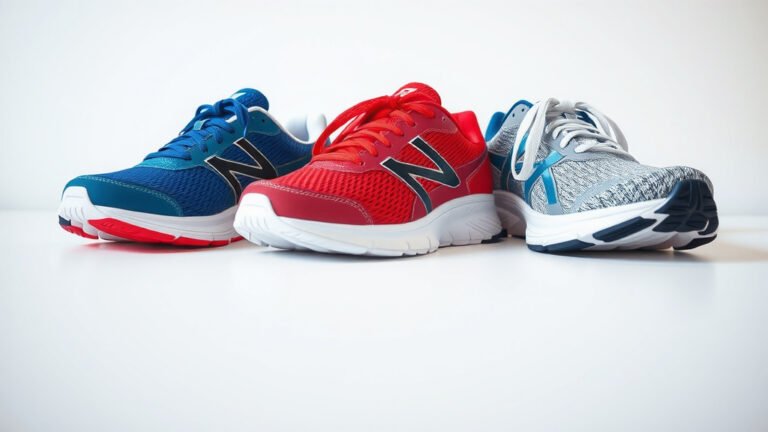
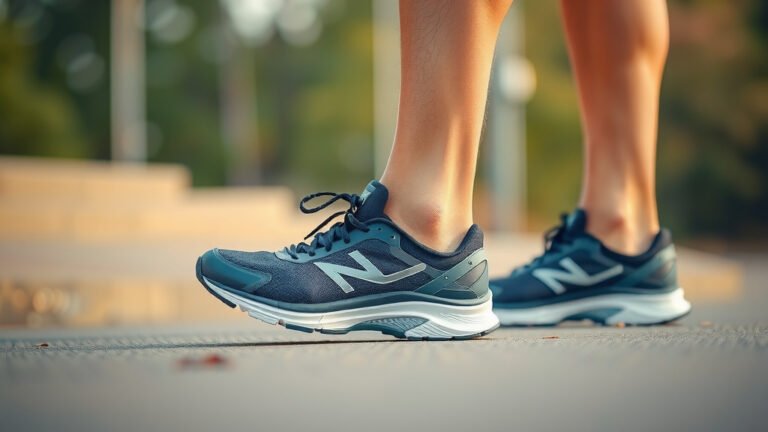
Choosing the right running shoes for your half marathon is all about finding the perfect balance of comfort and support. You need shoes that offer cushioning for impact and enough stability for your stride. Don’t just grab the flashiest pair; focus on how they feel on your feet during your training runs. Your goal is a shoe that feels like an extension of your body, not a hindrance.
Many runners overlook the importance of proper shoe selection for longer distances. Research shows that wearing the wrong shoes can lead to injuries, slowing down your training and potentially impacting your race day performance. We found that the best shoes for a half marathon often feature a good mix of responsive cushioning and durable tread. It’s worth the effort to find your perfect match.
- Fit is king.
- Consider cushioning needs.
- Think about your foot type.
- Test them on runs!
Ready to find the perfect pair that will carry you through your 13.1 miles? Let’s break down exactly what to look for in your next half marathon running shoes.
Finding Your Perfect Half Marathon Running Shoes
You’re training for a half marathon! That’s fantastic. Now, let’s talk about the most important gear you’ll need: your shoes. Choosing the right pair can make a world of difference. It can mean the difference between a comfortable race day and one plagued by blisters and pain. We’re here to guide you through it.
Understanding Your Needs: The Foundation of Your Choice
Before you even think about brands or colors, you need to understand what your feet and your running style require. This is where we start to build a solid foundation for your shoe selection.
Comfort is King, Especially for 13.1 Miles
For a half marathon, comfort isn’t just a preference; it’s a necessity. You’ll be on your feet for a long time. We found that shoes that feel immediately comfortable out of the box are often the best choice for longer distances. Don’t expect a long break-in period for race day shoes. That new shoe feeling should be a good feeling from the start. Think of it like breaking in a new car; you want it to run smoothly from the first mile, not after a few hundred.
Cushioning: Your Impact Absorber
Running puts a lot of stress on your body. Your shoes are the first line of defense against that impact. You’ll want a shoe with enough cushioning to absorb shock. This helps protect your joints and muscles. For a half marathon, a moderate amount of cushioning is usually ideal. Too little, and you’ll feel every step. Too much, and the shoe might feel mushy or unstable.
We found that many runners benefit from shoes with a balanced cushioning system. This means it’s soft enough to feel protective but firm enough to be responsive. Think of it like a good mattress: supportive but still comfortable.
Support: Guiding Your Stride
Your foot type and how you run naturally influence the kind of support you need. This is often referred to as pronation. Understanding your pronation can help you choose a shoe that guides your foot effectively.
What is Pronation?
Pronation is the natural inward roll of your foot as it strikes the ground. It’s how your body absorbs shock. Most people pronate to some degree.
Types of Pronation and Shoe Needs
- Neutral Pronation: Your foot rolls inward an appropriate amount. You might do well in neutral running shoes. These offer cushioning without extra stability features.
- Overpronation: Your foot rolls inward excessively. You might need stability running shoes. These have features to help control the inward roll. We found that stability shoes often have a denser foam on the inside edge of the sole.
- Supination (Underpronation): Your foot doesn’t roll inward enough, or it rolls outward. You may need shoes with ample cushioning and flexibility. Look for neutral shoes with plenty of shock absorption.
How do you figure this out? A simple test is to look at the wear pattern on your old running shoes. If the wear is mostly on the ball of your foot and the outer heel, you might be a neutral runner or supinator. If the wear is more on the inside edge of the sole, you might be an overpronator (Cleveland Clinic).
The Fit: Your Shoe’s Most Important Feature
Even the most advanced shoe technology won’t help if the fit is wrong. A good fit is absolutely non-negotiable for a half marathon.
Getting the Right Size
Running shoes should generally be about a half to a full size larger than your everyday shoes. Why? Your feet swell during runs. You need room for that swelling. There should be about a thumb’s width of space between your longest toe and the end of the shoe. This prevents jammed toes and blisters. Many experts say this is a common mistake runners make (National Running Center).
Width Matters Too!
Don’t forget about the width. If a shoe feels too tight across the ball of your foot, it’s too narrow. If your foot slides around too much, it might be too wide. Many models come in different widths (narrow, standard, wide, extra-wide). Make sure you can wiggle your toes comfortably.
Trying Them On: The Ultimate Test
The best time to try on running shoes is at the end of the day. Your feet are at their largest then. Wear the type of socks you’ll use for running. Walk around in the store. Then, if possible, jog a bit. How do they feel? Is there any pinching? Do your heels slip?
Key Features to Look For in Half Marathon Shoes
When you’re browsing, keep these specific features in mind for your 13.1-mile journey.
Durability: For Miles of Training
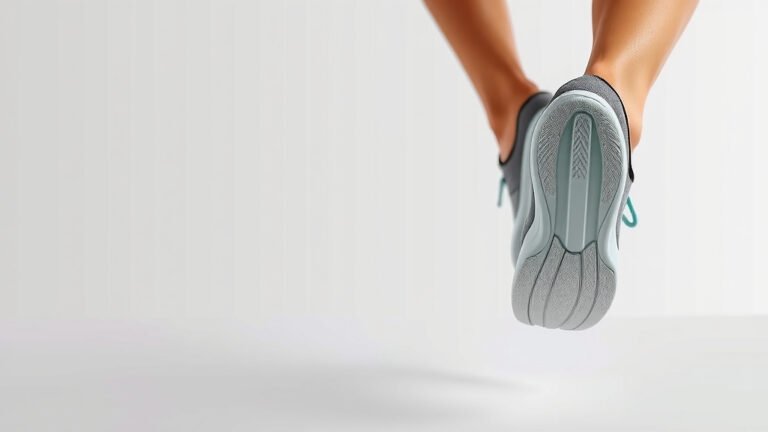
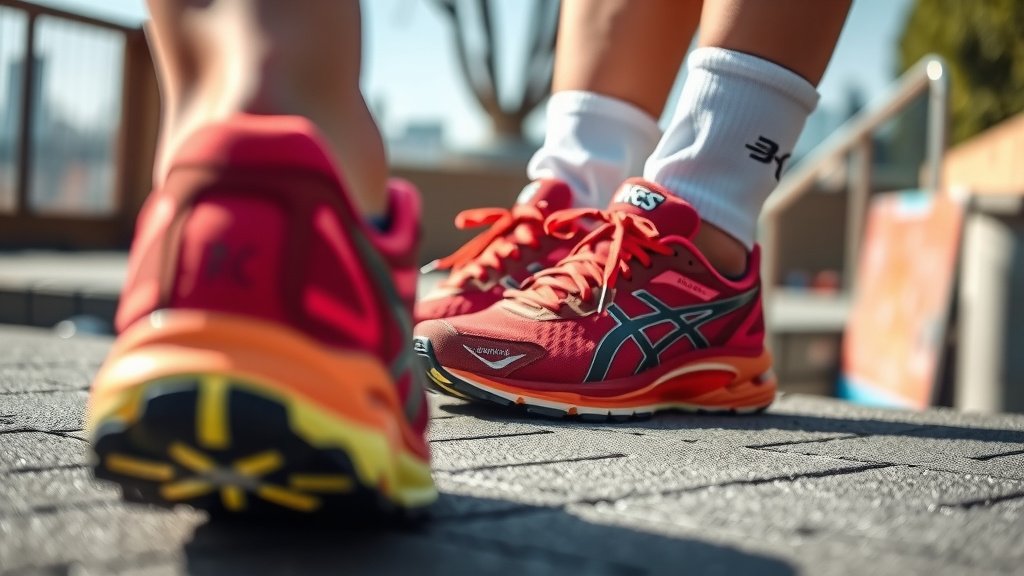
You’ll be logging a lot of miles in training before your race. You need shoes that can withstand that wear and tear. Look for shoes with a durable rubber outsole. This part of the shoe provides traction and wears down over time. We found that shoes designed for road running typically offer good durability for pavement.
Weight: Finding the Sweet Spot
Lighter shoes can feel faster, but they might sacrifice cushioning and support. Heavier shoes often offer more cushioning and stability. For a half marathon, a shoe that strikes a balance between lightweight feel and adequate support is often best. Avoid overly heavy, clunky shoes unless you have a specific need for maximum support.
Breathability: Keeping Your Feet Cool
Your feet generate heat when you run. Good breathability in the upper material of the shoe helps to vent that heat. This keeps your feet cooler and reduces the chance of blisters. Mesh uppers are a common feature for breathability.
Where to Buy and How to Test
The best place to buy running shoes is often a specialty running store. Staff there are trained to analyze your gait and recommend appropriate shoes.
The Test Run is Crucial
Once you’ve narrowed down your choices, take them for a spin. Run a few miles in them. How do they feel on the road? Do you notice any discomfort? This is the most important step. If you can’t test them on a run, you’re essentially guessing. Many stores allow you to return shoes if they don’t work out after a short test run.
Don’t Be Afraid to Ask Questions
The sales associate is there to help. Ask them about the cushioning, support, and intended use of the shoes. They can explain the differences between models. We found that knowledgeable staff can steer you toward excellent options.
Your Half Marathon Shoe Checklist
Here’s a quick rundown to keep in mind:
- Toe Box Room: Enough space to wiggle toes.
- Heel Fit: Snug, but no slipping.
- Midfoot Feel: Comfortable, not too tight or loose.
- Cushioning Level: Adequate for impact absorption.
- Support Type: Matches your pronation needs.
- Overall Comfort: Feels good on a test run.
Conclusion
You’re on the path to conquering your half marathon, and the right running shoes are your essential partners. Remember, comfort is non-negotiable, and understanding your foot’s needs for cushioning and support will guide your choice. Don’t underestimate the power of a perfect fit – it’s the foundation for happy miles. Take your time, test those shoes on actual runs, and trust your feet.
Your next step? Head to a specialty running store or confidently shop online, armed with this knowledge. Finding that ideal pair will boost your training and set you up for a fantastic race day experience. Go get those shoes!
Frequently Asked Questions
How do I know if a running shoe has enough cushioning for a half marathon?
You should feel a good balance of softness and responsiveness. The shoe should absorb impact without feeling mushy or unstable. A moderate amount of cushioning is usually ideal for half marathon distances, protecting your joints without sacrificing responsiveness.
What is the best way to check if running shoes fit correctly before buying?
Try them on at the end of the day when your feet are largest. Wear your typical running socks and ensure there’s a thumb’s width of space between your longest toe and the shoe’s end. Your toes should wiggle freely, and your heel should feel secure without slipping.
Can I use my everyday sneakers for half marathon training?
It’s generally not recommended. Everyday sneakers lack the specific cushioning, support, and durability that running shoes offer. Using the wrong type of shoe can increase your risk of injury during the high mileage of half marathon training.
How often should I replace my running shoes during half marathon training?
Most running shoes last between 300 to 500 miles. Keep track of your mileage. If you notice significant wear on the outsole, a loss of cushioning, or new aches and pains, it’s likely time for a new pair, especially when training for a half marathon.
What’s the difference between neutral and stability running shoes?
Neutral shoes are designed for runners with a neutral gait and offer cushioning and flexibility. Stability shoes include features to help control excessive inward rolling (overpronation). If your old shoes show wear on the inside edge, you might benefit from stability shoes.