How to Choose Running Shoes for Ice in 2026
Choosing the right running shoes for ice is all about ensuring traction and stability. You need shoes with aggressive tread patterns or metal spikes to grip icy surfaces effectively. Look for shoes specifically designed for winter running or those that allow you to add screw-in studs. This will prevent slips and keep your runs safe.
Running on ice can be tricky, so picking the correct footwear is important for your safety and comfort. Beyond just grip, consider shoes that offer good cushioning and support to handle the hard, cold ground. Many runners find that a slightly stiffer shoe provides better stability when the ground is uneven and slippery. Don’t let the ice stop your training!
- Look for shoes with aggressive tread or spikes for grip.
- Consider added studs for extra traction on ice.
- Prioritize stability and cushioning for icy runs.
- Winter-specific running shoes offer the best features.
Ready to conquer those icy paths? Let’s walk through exactly how to find the perfect pair of running shoes for your winter adventures.
Choosing the Right Shoes for Running on Ice
Running on ice might seem daunting, but with the right footwear, you can maintain your training schedule safely. The key is finding shoes that offer superior grip and stability on slippery surfaces. Your usual road running shoes likely won’t cut it when the temperature drops and the ice sets in. You need something with specialized features to keep you upright and moving forward.
Understanding Winter Running Shoe Features
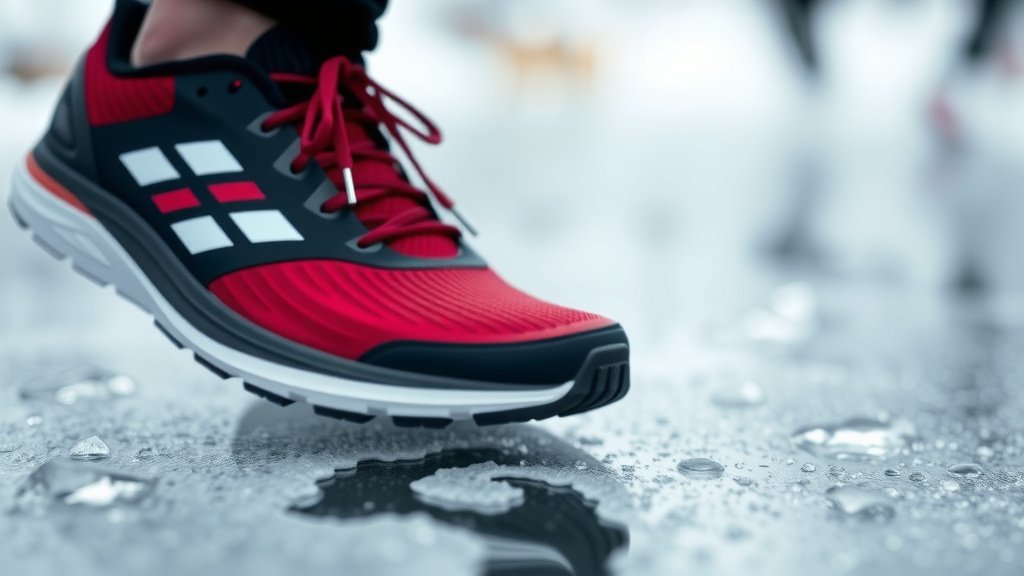
When you’re looking at shoes for icy conditions, you’re essentially looking for enhanced traction. This often comes in the form of aggressive tread patterns or even built-in metal spikes, much like those found on winter tires. Many brands also offer shoes that allow you to add your own studs, giving you a customizable level of grip.
Traction: Your First Line of Defense
The most critical factor for running on ice is traction. Without it, every stride is a gamble. You’ll want to look for outsoles designed with deep, widely spaced lugs. These lugs help to bite into snow and ice. Some shoes even have rubber compounds that stay flexible in cold temperatures, improving their grip.
Stability on Uneven Terrain
Icy surfaces are rarely perfectly smooth. You’ll encounter patches of glare ice, packed snow, and even slush. Shoes that offer good stability will help you feel more secure. This often means a shoe with a firmer midsole that doesn’t flex too much, providing a stable platform for your foot.
Types of Winter Running Shoes
The market offers a few different approaches to winter running footwear. Some are built specifically for the harsh conditions, while others offer versatility. Understanding these options will help you make the best choice for your needs.
Dedicated Winter Running Shoes
These shoes are purpose-built for cold-weather running. They often feature water-resistant or waterproof uppers to keep your feet dry and warm. The outsoles are typically aggressive, with designs geared towards snow and ice. Many also come with built-in lugs or even fixed metal spikes for maximum grip. We found that these shoes offer the most confidence when you’re out on the trails or roads.
Studded Running Shoes
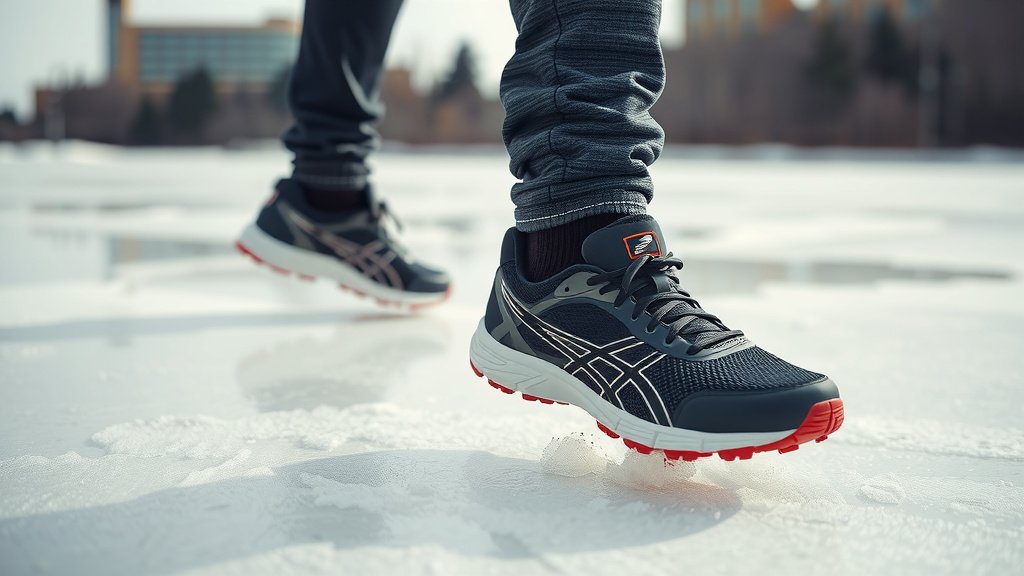
Studded shoes are a popular choice because they provide exceptional traction on sheer ice. They have small metal studs permanently embedded in the outsole. Researchers have found these studs can significantly reduce slipping incidents on icy surfaces (National Snow and Ice Data Center). If you frequently encounter very slick conditions, these are worth serious consideration.
Shoes You Can Add Studs To
Another excellent option is a winter running shoe or even a sturdy trail running shoe that has a flexible sole, allowing you to screw in your own metal studs. This gives you control over how much grip you need. You can often buy aftermarket studs and screw them into pre-drilled holes in the outsole. This approach is quite popular among runners who experience varied winter conditions.
Key Features to Look For
Beyond the primary focus on traction, several other features contribute to a good winter running shoe. Think about comfort, warmth, and durability.
Outsole Design and Material
As mentioned, aggressive tread is key. Look for deep, chunky lugs that can dig into snow and ice. The rubber compound itself is also important. Many experts suggest looking for softer rubber compounds that remain pliable in cold weather, as hard rubber can become stiff and lose grip.
Water Resistance and Warmth
Cold, wet feet can quickly lead to a miserable run. Many winter running shoes use water-resistant or waterproof materials in their uppers. Some even incorporate insulation for added warmth. While breathability can be a concern with waterproof shoes, modern technologies have improved this significantly. The Centers for Disease Control and Prevention (CDC) recommends keeping your feet as dry as possible to prevent frostbite.
Fit and Comfort
Even with the best traction, a poorly fitting shoe can cause blisters and discomfort. You’ll want a secure fit, especially around the heel, to prevent slippage inside the shoe. Many runners find that winter running shoes might feel a bit stiffer than their summer counterparts, which is generally a good thing for stability on uneven ice.
A Quick Checklist for Choosing Your Shoes
To help you narrow down your choices, keep this quick checklist handy:
- Do the shoes have aggressive, deep lugs on the outsole?
- Are there built-in spikes or a way to add screw-in studs?
- Is the upper water-resistant or waterproof?
- Does the shoe feel stable and supportive when you try it on?
- Consider if you need extra insulation for warmth.
Comparing Your Options
Here’s a simplified look at the main types of shoes you’ll encounter:
| Shoe Type | Pros | Cons | Best For |
|---|---|---|---|
| Dedicated Winter Running Shoes | Excellent traction, often water-resistant/warm, built for the conditions | Can be less versatile, might be warmer than needed in milder conditions | Frequent winter runners, harsh climates |
| Studded Running Shoes | Unbeatable grip on sheer ice, very secure footing | Studs can wear down on pavement, may feel less natural on bare ground | Extremely icy conditions, trail running |
| Shoes for Adding Studs | Customizable grip, versatile for different conditions, often more affordable | Requires purchasing studs separately, needs a compatible outsole | Variable ice/snow conditions, budget-conscious runners |
Conclusion
Choosing the right running shoes for ice is all about prioritizing traction and stability. You’ve learned that aggressive tread, built-in spikes, or the option to add studs are key for grip. Don’t forget about water resistance, warmth, and a secure, supportive fit for comfort. By considering these features and comparing your options, you’re well-equipped to handle icy runs safely. Your next step is to visit your local running store or browse online, keeping this checklist in mind, and find the perfect pair to keep your training consistent all winter long.
Frequently Asked Questions
Can I use my regular trail running shoes on ice?
Generally, your regular trail running shoes won’t provide enough grip on ice. Their tread patterns are designed for dirt and rocks, not slick, frozen surfaces. You’ll likely need shoes with more aggressive lugs or the ability to add studs for safe running on ice.
How do I know if a shoe is stable enough for ice?
Stability in an ice running shoe often comes from a firmer midsole that resists excessive flexing. When you try on shoes, pay attention to how your foot feels supported. A shoe that feels rigid and doesn’t allow your foot to roll too much when you twist it is usually a good sign for icy conditions.
Do I really need waterproof shoes for running on ice?
Waterproof or highly water-resistant uppers are highly recommended for running on ice. This keeps your feet dry from melting snow and ice, preventing discomfort and helping to avoid issues like frostbite. Dry feet make for a much more enjoyable winter run.
How often will I need to replace studs on my running shoes?
The lifespan of studs depends on the material, the amount of running you do on pavement versus ice/snow, and the quality of the studs. If you notice reduced grip, especially on slick surfaces, it’s a good sign your studs might be worn down and need replacement.
Are shoes with metal spikes better than those with screw-in studs?
Shoes with metal spikes often offer maximum grip on sheer ice, providing a very secure feeling. Screw-in studs offer more versatility; you can adjust the number and placement for different conditions and remove them when not needed. Both are effective, but the best choice depends on how icy your typical routes get.