Master Forefoot Striking: A Beginner’s Guide
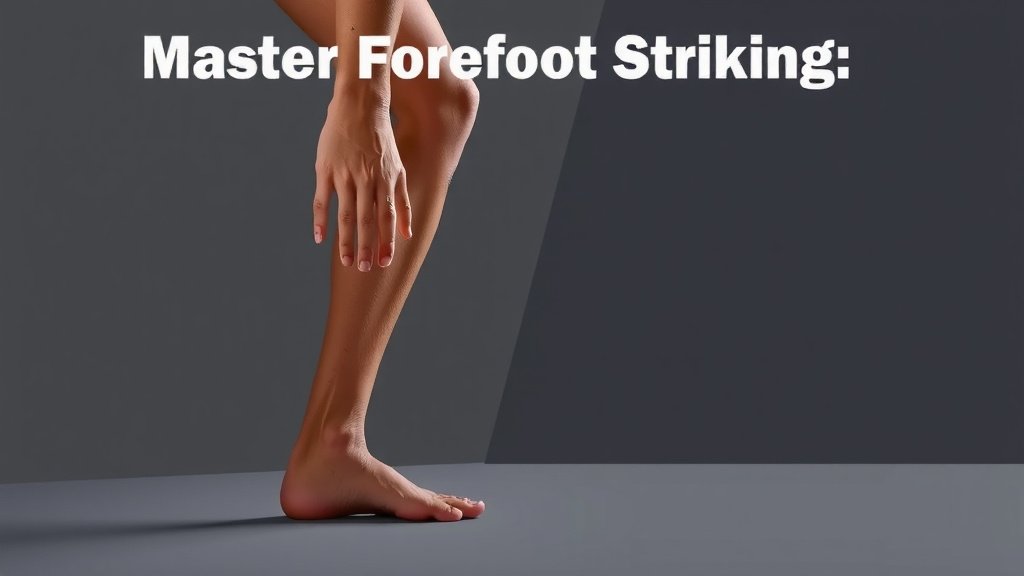
Transitioning to forefoot striking is a great way to potentially reduce injury and improve running economy. The simplest way to start is by focusing on landing softly on the mid or forefoot, rather than letting your heel heavily hit the ground. Think about landing your feet quietly beneath your body. This change can feel very different at first, so patience is key.
Many runners find that shifting to a forefoot strike helps them feel more natural and efficient. It’s often associated with a higher cadence, or steps per minute. This method encourages your legs to act like springs. It’s not about forcing a landing, but rather allowing your body’s natural mechanics to take over. We found that consistency is more important than speed when learning.
- Focus on landing softly and quietly.
- Aim to land your feet under your body.
- Consider increasing your cadence (steps per minute).
- Be patient; it takes time to adjust.
Ready to learn more about making this switch? Let’s walk through exactly how you can begin transitioning your running form step by step.
You’re curious about making the switch to forefoot striking. That’s fantastic! It can feel quite foreign at first, like learning to walk all over again. But with a little guidance and patience, you can find a more natural and efficient stride. We’ve broken down the process to help you make this change smoothly.
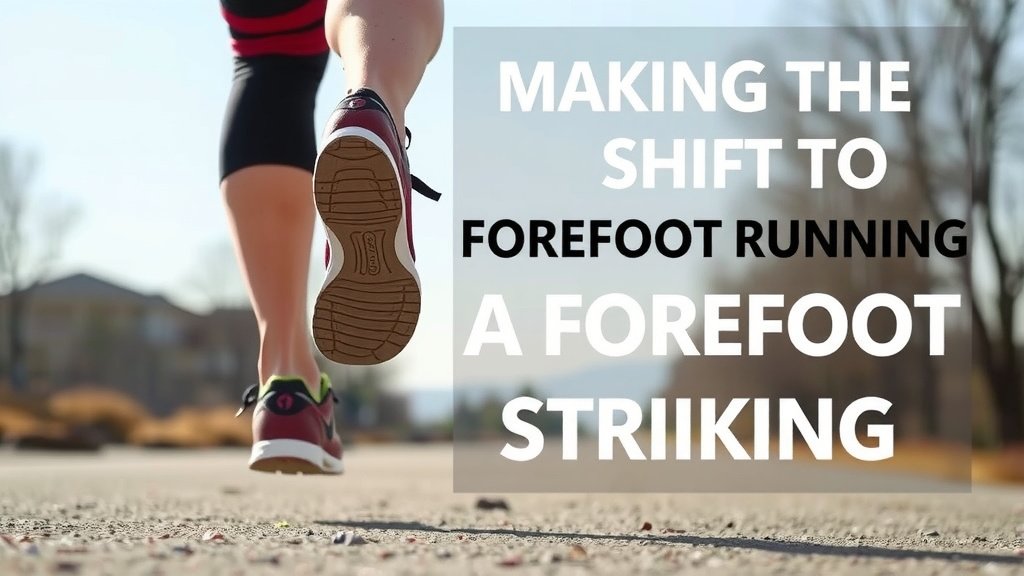
Making the Shift to Forefoot Running
Transitioning to forefoot striking is a smart move for many runners. It can help distribute impact forces differently. This often leads to fewer injuries. We found that the key is to focus on landing softly. Think about landing on the balls of your feet. This is also called the midfoot. Your heel should barely touch the ground, if at all.
Understanding the Mechanics
When you forefoot strike, your foot lands underneath your body. This is a big difference from heel striking. Heel striking often causes your foot to land out in front of you. This acts like a brake. It sends a shockwave up your leg. Forefoot striking turns your foot into a shock absorber. It also allows your calf muscles and Achilles tendon to absorb impact.
Why Make the Change?
Many runners report feeling a difference in their bodies. You might feel less pounding. You could experience more spring in your step. Research suggests this can improve running economy. This means you use less energy to run at the same pace. Some studies indicate a link between forefoot striking and reduced risk of certain injuries. These include shin splints and knee pain (NCBI).
Listen to Your Body
It’s essential to remember that this is a change. Your body needs time to adjust. Don’t rush it. Pushing too hard too soon can lead to new problems. You might feel soreness in your calves or Achilles. This is normal for a while. If pain is sharp or persistent, slow down. We found that consistency over intensity is the best approach here.
Steps to Transitioning Your Stride
Ready to give it a try? Let’s get into the practical steps. This isn’t about forcing a new way to run. It’s about encouraging your body to find a more natural rhythm.
Start with Short, Slow Runs
Begin by incorporating forefoot striking into your warm-up. Do this for the first few minutes of an easy run. Or, dedicate entire short runs to practicing. Aim for 5-10 minutes at first. Focus solely on your landing. Don’t worry about speed or distance. We found that shorter, focused sessions are more effective than long, unfocused ones.
Focus on Landing Softly and Quietly
Imagine you’re running on eggshells. You don’t want to crack them! Try to land your feet as quietly as possible. This means less impact. It usually means landing on your midfoot or forefoot. Your heel should make little to no contact. Think about your feet landing right under your hips. Avoid reaching out and landing on your toes. That can create other issues.
The “Quiet Foot” Drill
This simple drill helps you practice. Run at a very easy pace. Focus on making your footfalls as silent as possible. If you hear a loud slapping sound, you’re likely still heel striking. Try to reduce that noise. This is a great exercise to do even on a treadmill.
Consider Your Cadence
Many forefoot strikers naturally have a higher cadence. Cadence is your steps per minute. A higher cadence means shorter strides. Shorter strides tend to land closer to your body. This helps with forefoot striking. Aiming for around 170-180 steps per minute is often cited. But don’t obsess over a number.
Instead, think about taking quicker, lighter steps. It should feel like your feet are dancing. We found that increasing cadence often happens naturally as you focus on landing softly. You can use a metronome app to help you get a feel for it. But again, don’t force it. Let it be a byproduct of good form.
Feel the Difference in Your Legs
Pay attention to how your muscles are working. You might feel more work in your calves and Achilles tendon. This is expected. They are now absorbing more shock. Your hamstrings might also engage more to pull your foot up. This is different from the quad-dominant motion of heel striking.
Gradual Progression is Key
Here’s a sample progression we found helpful:
| Week | Focus | Duration |
|---|---|---|
| 1-2 | Warm-up forefoot striking | First 5-10 min of each easy run |
| 3-4 | Short dedicated forefoot runs | 15-20 min, 1-2 times/week |
| 5-6 | Increase duration | 20-30 min, 1-2 times/week |
| 7+ | Incorporate into longer runs | Gradually increase time during longer runs |
This table provides a general guideline. Always adjust based on how your body feels. If you experience discomfort, dial it back. You can always add more time later. It’s a marathon, not a sprint!
Try Drills and Exercises
Certain exercises can help strengthen the muscles involved. They also improve your body’s ability to handle forefoot striking.
- Calf Raises: Stand with your feet flat. Rise up onto the balls of your feet. Hold briefly, then lower slowly.
- Jump Rope: This classic exercise naturally encourages a forefoot landing. It also builds calf strength and coordination.
- Skipping: Simple skipping can help you feel a springy, forefoot landing.
These drills can be done on non-running days. They support your transition without adding too much stress to your running routine.
What About Your Shoes?
Do you need special shoes? Not necessarily to start. Many runners successfully transition in their current shoes. However, shoes with less cushioning in the heel and a lower heel-to-toe drop might feel more natural. This is because they allow for a more even foot strike. Think of it as getting closer to the ground. You don’t need to buy new shoes right away. See how you feel first. Then, if you wish, explore minimalist or low-drop options.
Troubleshooting Common Issues
What if you feel pain? Or what if it just doesn’t feel right? Here are a few things to check.
- Are you overstriding? Make sure your foot is landing under your body, not out in front.
- Are you landing too hard? Focus on that quiet, soft landing.
- Are your calves sore? This is common. Ensure you’re not doing too much too soon. Rest and gentle stretching can help.
- Are you trying too hard to force it? Relax! Let your body adapt.
Remember, this transition takes time. Some people adapt in weeks, others in months. Be patient with yourself. Celebrate the small wins. You’re doing great by trying something new to improve your running!
Conclusion
Transitioning to forefoot striking is a journey that rewards patience and listening to your body. You’ve learned how to focus on landing softly, bring your feet under your body, and consider cadence. Remember, this change is about efficiency and potentially reducing injury. Don’t rush the process; consistency is your best friend here. Start by incorporating the techniques into short runs and gradually increase the duration. Your body will thank you for the mindful approach to your stride.
Your next step is to lace up your shoes and head out for a short, easy run, focusing on one or two of the drills we discussed. Pay attention to how your feet land and how your body feels!
Frequently Asked Questions
How long does it take to fully transition to forefoot striking?
The timeframe varies greatly for each runner. Some may feel a natural shift within a few weeks, while for others, it could take a couple of months. Consistency with practice and gradual progression are more important than a strict timeline.
Will forefoot striking cause calf or Achilles pain?
You might experience some initial soreness in your calves and Achilles tendon as they take on more load. This is normal as these muscles adapt. However, sharp or persistent pain is a sign to slow down and rest.
Can I transition to forefoot striking in my current running shoes?
Yes, you can absolutely start transitioning in your current shoes. Many runners find success this way. While lower-drop shoes might feel more natural later, the form change itself is the priority, not the footwear.
What’s the biggest mistake new forefoot strikers make?
A common mistake is trying to force the strike or landing too hard and landing on the very tips of the toes. The goal is a soft landing on the mid-to-forefoot, under your body, not an aggressive push-off or overreaching.
Should I increase my cadence immediately when trying forefoot striking?
While higher cadence often accompanies forefoot striking, don’t force it too quickly. Focus on landing softly and under your body first. An increased cadence may happen naturally as a result of improving your form.