Midfoot Striking Running Shoe Drop: What You Need to Know
For midfoot strikers, a lower to moderate shoe drop, typically between 4mm and 8mm, is often recommended. This range helps you land more naturally on your midfoot without forcing a heel strike. It encourages a smoother transition through your stride. Finding your sweet spot depends on your specific gait and comfort.
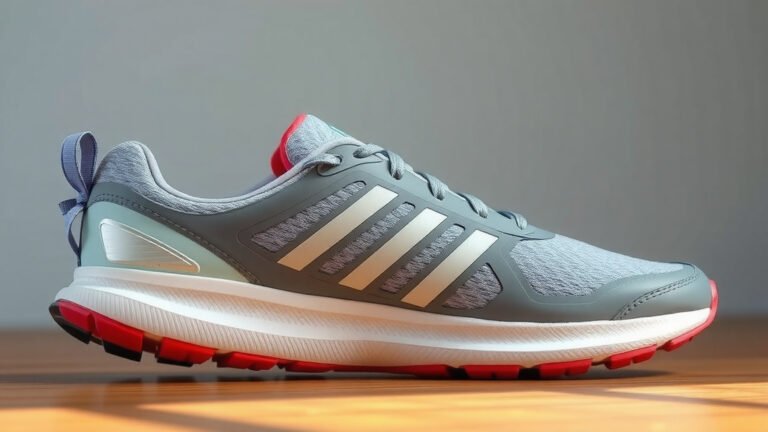
Shoe drop, also known as heel-to-toe drop, refers to the height difference between the heel and forefoot of a running shoe. A lower drop mimics a more natural foot strike. Many midfoot strikers find that shoes with a higher drop can feel awkward. It might even lead to overstriding or increased strain.
- Midfoot strikers often prefer lower to moderate shoe drops.
- A drop between 4mm and 8mm is a good starting point.
- This range supports a more natural midfoot landing.
- Experimentation is key to finding your perfect shoe.
Let’s walk through exactly what shoe drop means for your midfoot strike and how to choose the right one for your runs.
“`htmlChoosing Your Running Shoe Drop as a Midfoot Striker
As a midfoot striker, the shoe drop can make a big difference in your running comfort and efficiency. Think of it like this: your foot naturally lands a bit more towards the middle, right? So, a shoe that tries to force your heel down too much might feel like wearing ill-fitting boots.
We’ve found that most midfoot strikers feel best in shoes that offer a lower to moderate drop. This range typically falls between 4mm and 8mm. It’s not about completely eliminating the drop, but finding a sweet spot that doesn’t fight your natural stride. This can help prevent you from overstriding or feeling that awkward jolt when your foot hits the ground.
Understanding Shoe Drop: What’s the Big Deal?
So, what exactly is this “drop” we keep talking about? It’s simply the difference in height between the heel of your shoe and the forefoot. Manufacturers measure this in millimeters (mm).
A shoe with a high drop, say 10mm or more, has a significant height difference. This often encourages a heel strike because the heel is already elevated. For someone who naturally lands on their midfoot, this can feel unnatural. It might even put extra stress on your knees and ankles, which isn’t ideal for happy running.
On the flip side, a low drop shoe, often 0mm to 4mm, is very close to running barefoot. This can feel great for some midfoot strikers, as it truly allows your foot to land naturally. However, if you’re used to a bit more cushioning or support under your heel, going from a high drop to a zero drop can be a bit of a shock to your system.
Why Midfoot Strikers Often Prefer Lower Drops
When you strike with your midfoot, your foot is already closer to the ground than if you were landing on your heel. A shoe with a lower drop helps maintain this natural alignment. It allows your foot to absorb impact more evenly across the midfoot.
Many runners find that a high drop shoe actually forces their foot into a position that isn’t natural for them. This can lead to issues like a tendency to land on the heel, even if they are trying to strike with the midfoot. This is often called “overstriding,” and it can be less efficient and potentially lead to discomfort (Cleveland Clinic).
Research suggests that shoes with a lower drop may encourage a more natural foot strike pattern. This can lead to better shock absorption and a smoother transition from landing to push-off. It’s like giving your body the freedom to move the way it’s designed to.
The 4mm to 8mm Sweet Spot
For many midfoot strikers, the sweet spot for shoe drop lies between 4mm and 8mm. This range offers a nice balance. You still get some of the benefits of a lower drop, promoting a more natural landing, without the drastic change that zero or very low drop shoes can sometimes present.
Think of it as a gentle nudge rather than a push. This moderate drop can feel comfortable and supportive. It helps your foot land more squarely on the midfoot without feeling like you’re being forced into a specific position. This can lead to a more fluid and enjoyable running experience.
What About Zero Drop Shoes?
Zero-drop shoes, where the heel and forefoot are at the same height, are designed to mimic barefoot running. Some midfoot strikers absolutely love these! They report feeling a very natural stride and great ground connection.
However, it’s important to approach zero-drop shoes with caution, especially if you’re transitioning from higher drop shoes. Your calf muscles and Achilles tendons might need time to adjust. Many experts suggest a gradual transition period to avoid injury (American Podiatric Medical Association). You might start by wearing them for short walks or very easy runs.
How Shoe Drop Affects Your Gait
Your gait is basically your unique running style. The shoe drop can influence how your foot lands, how your ankle flexes, and how your body absorbs shock.
If a shoe drop is too high for your midfoot strike, it might encourage your foot to land in front of your body too much. This is overstriding. Your leg then has to work harder to catch up. It can feel less efficient and might lead to pounding on your joints.
Conversely, a lower drop shoe generally encourages your foot to land more underneath your body. This leads to a more balanced and often softer landing. It allows your natural biomechanics to take over, which many runners find leads to less fatigue and fewer aches and pains.
Consider Your Running Goals and History
Are you a recreational runner looking for comfort on your weekend jogs? Or are you a more serious runner aiming for speed and performance? Your goals can influence your preference for shoe drop.
If you’ve been running in higher-drop shoes for years without issues, a drastic change might not be necessary. However, if you’re experiencing discomfort or looking to improve your running form, experimenting with lower-drop options could be beneficial. It’s always a good idea to listen to your body. Pain is a signal that something might need adjustment.
| Stride Type | Recommended Drop Range (mm) | Key Considerations |
|---|---|---|
| Midfoot Striker | 4mm – 8mm | Supports natural landing, smooth transition. Good balance of cushion and ground feel. |
| Midfoot Striker (transitioning or preferring barefoot feel) | 0mm – 4mm | Mimics barefoot running, requires adaptation. Can improve proprioception. |
| Heel Striker (for contrast) | 8mm – 12mm+ | Provides extra cushioning on heel impact, common in traditional trainers. |
Finding Your Perfect Shoe: It’s All About You!
Ultimately, there’s no single “perfect” shoe drop for every midfoot striker. What feels fantastic for one person might not work for another. Your foot shape, your running surface, and your personal comfort all play a role.
The best approach is to experiment. Try on different shoes with varying drops. If possible, run in them briefly on a treadmill or a safe path. Pay close attention to how your feet, ankles, and knees feel during and after the run.
We found that many runners who identify as midfoot strikers tend to gravitate towards brands and models that offer those 4mm to 8mm drops. They often report a feeling of “just right” – not too high, not too low. But don’t be afraid to try a 0mm or a 10mm shoe if you’re curious; you might be surprised!
Tips for Choosing Your Shoe Drop
- Listen to your body: Comfort is your best guide.
- Gradual transition: If trying a significantly different drop, ease into it.
- Consider your history: What have you worn before? What worked?
- Try before you buy: If possible, test run the shoes.
- Consult experts: A specialty running store can offer personalized advice.
Finding the right shoe drop can genuinely enhance your running experience. It’s about supporting your natural movement and helping you enjoy every mile. Don’t get too caught up in numbers alone; let your feet do the talking!
“`
Conclusion
As a midfoot striker, finding the right running shoe drop is all about supporting your natural stride. We’ve seen that a lower to moderate drop, typically between 4mm and 8mm, often feels best. This range helps you land more smoothly without forcing your foot into an unnatural position. Remember, your body knows best, so pay attention to how different drops feel on your feet. The best next step is to try on a few pairs within this recommended range at your local running store. Experimentation will lead you to the shoes that make every run more comfortable and enjoyable.
Frequently Asked Questions
Can I still be a midfoot striker if I wear high drop shoes?
While it’s possible, high drop shoes (10mm+) often encourage a heel strike. If you naturally land on your midfoot, this can feel awkward and potentially lead to overstriding. Many midfoot strikers find they feel more comfortable and efficient in lower drop options.
How quickly should I transition to a lower drop shoe?
If you’re switching to a significantly lower drop (like going from 10mm to 0mm), it’s best to transition gradually. Start by wearing the new shoes for short runs or walks. This gives your calf muscles and Achilles tendons time to adjust and can help prevent injury.
What if I like the feel of zero drop shoes?
Zero drop shoes can feel great for some midfoot strikers, offering a very natural feel and excellent ground connection. If you find they work for you, that’s fantastic! Just be mindful of the potential need for your body to adapt, especially if you’re coming from higher drop shoes.
Does shoe drop affect my ankle flexibility?
Yes, shoe drop can influence your ankle’s range of motion during your stride. Lower drop shoes generally allow for more natural ankle flexion and extension. Higher drop shoes can restrict this movement, as the heel is already elevated.
Where can I get advice on finding the right shoe drop?
The best place for personalized advice is a specialty running store. Staff there can often analyze your gait and discuss your running history. They can recommend specific shoes with different drop heights that might suit your midfoot striking style.