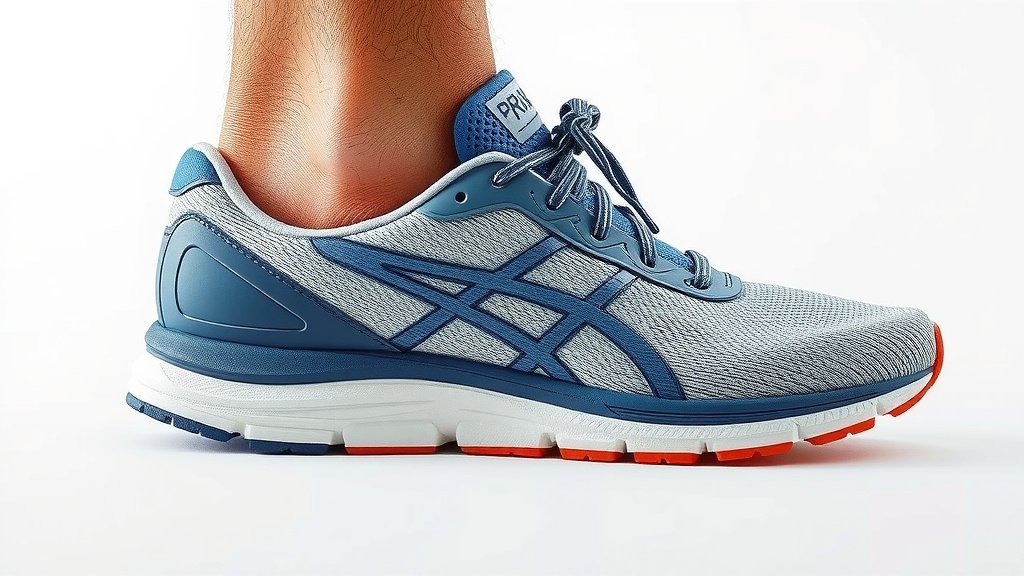
Running Shoe Drop Explained for Beginners
A running shoe drop refers to the height difference between the heel and the forefoot of your shoe. This difference, measured in millimeters (mm), impacts how your foot strikes the ground during a run. Understanding shoe drop is key for beginners seeking the right footwear to prevent injury and improve comfort.
Many runners aren’t aware of this detail, but it’s a surprisingly important factor in your running mechanics. Different drop levels can affect your gait, providing either more cushioning or a more natural feel. We’ve found that picking a shoe with the right drop can make a big difference in your running experience.
- Running shoe drop is the heel-to-toe elevation difference.
- It’s measured in millimeters (mm).
- A lower drop offers a more natural foot strike.
- A higher drop can provide more heel cushioning.
- Choosing the right drop helps prevent injuries.
Ready to figure out what drop works best for your feet? Let’s break down what shoe drop really means and how to choose the right one for you.
You’re lacing up your first pair of running shoes, ready to hit the pavement! It’s exciting, right? But as you look at your new kicks, you might notice something a little… odd. One part seems higher than the other. That’s the shoe drop, and it’s more important than you might think.
Understanding Running Shoe Heel Drop
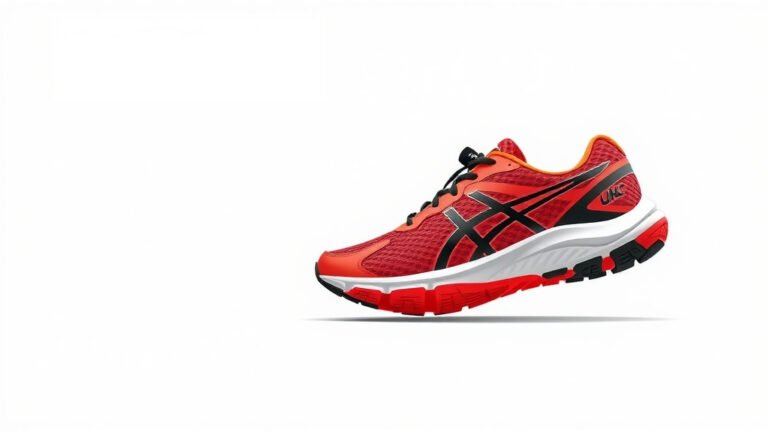
So, what exactly is this “heel drop” we keep talking about? It’s the difference in height between the heel and the forefoot of your running shoe. Imagine a tiny ramp built into your shoe. That ramp is the heel drop.
Measuring the Drop: Millimeters Matter
This difference is measured in millimeters (mm). Most adult running shoes fall into a range of 0mm to 12mm. A shoe with a 0mm drop is completely flat. A shoe with a 12mm drop has a much higher heel. This measurement might seem small, but it can greatly affect your running form and how your body feels.
Why Drop Affects Your Run
The drop influences how your foot lands. A higher drop encourages a heel strike. Your heel hits the ground first. A lower drop encourages a midfoot or forefoot strike. This means the middle or front of your foot lands first. This subtle shift can change the forces traveling up your leg. We found this to be a key factor in comfort for many new runners.
Different Drop Levels Explained
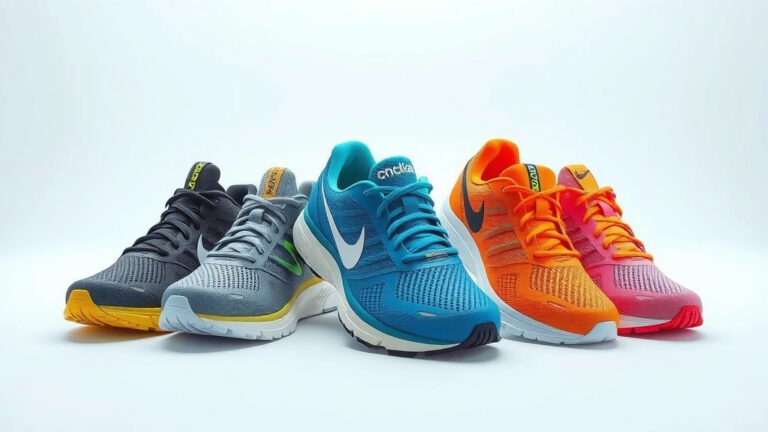
Running shoes are generally categorized by their drop. It’s helpful to know these categories to understand what you’re looking at. Many running shoe brands will clearly state the drop. Sometimes it’s listed as “heel-toe drop” or simply “drop.”
High Drop Shoes (8mm+)
Shoes with a higher drop, typically 8mm or more, are the most common. They have been around for a long time. These shoes often feel more cushioned under the heel. This can be great for runners who tend to land heavily on their heels. It absorbs some of that impact. Many experts say this can reduce stress on the Achilles tendon for some runners (American Podiatric Medical Association).
If you’re used to walking in shoes with a bit of a heel, a higher drop might feel more familiar. It can offer a sense of familiar comfort. We’ve seen many beginners start with higher drop shoes and feel good.
Mid Drop Shoes (4mm-7mm)
These shoes offer a middle ground. They are not as flat as the lowest drops but not as elevated as the high drop shoes. A mid-drop shoe can be a good transition option. It allows for a more natural foot strike than a high drop. Yet, it still provides some cushioning under the heel. This can be a great choice as you build strength and adjust your form. It offers a blend of support and natural feel.
Low Drop Shoes (0mm-3mm)
These are often called “zero-drop” shoes if they are 0mm. They aim for the most natural foot strike. Your foot lands much flatter. This encourages your calf muscles and Achilles tendon to do more work. Many runners find this helps them feel more connected to the ground. They can also help build strength in your lower legs. However, research suggests a rapid switch to low-drop shoes can increase the risk of calf or Achilles injuries (National Institutes of Health).
It’s important to transition slowly into these. Your body needs time to adapt. Think of it like gradually lifting weights instead of trying to lift too much at once. This gradual approach is key to preventing discomfort.
Choosing the Right Drop for You: A Beginner’s Guide
So, how do you pick the right drop when you’re just starting out? There’s no single answer, but we can offer some guidance. Your personal preference and your body’s response are the most important factors.
Consider Your Current Habits
Think about how you naturally walk and stand. Do you usually wear shoes with a noticeable heel? If so, a higher drop shoe might feel more comfortable to start. Have you ever experienced foot or leg pain when wearing flatter shoes? This could also point towards a higher drop being a good initial choice.
Listen to Your Body
This is the golden rule of running. Pay attention to how your feet, ankles, and legs feel during and after your runs. If a shoe feels uncomfortable, or if you start to notice new aches, it might not be the right fit. Sometimes, changing the drop can make a big difference. We found that many runners report fewer aches with the right drop.
When in Doubt, Start in the Middle
For many beginners, a mid-drop shoe (around 4mm-7mm) can be a smart starting point. It provides a balance. It’s not as extreme as zero-drop, and it offers more ground feel than a very high drop. This can help you explore different foot strikes without putting too much strain on your body. It’s a good way to dip your toes into the world of shoe drop without diving headfirst.
Don’t Be Afraid to Experiment (Safely!)
Your first pair of running shoes might not be your perfect pair forever. As you run more, you’ll learn what feels good. You might find you prefer a lower drop as your muscles get stronger. Or you might stick with a higher drop for comfort on longer runs. The key is to pay attention. We suggest trying on different shoes if you can. Feel the difference in how they support your foot.

A Quick Checklist for Finding Your Drop
To help you decide, ask yourself these questions:
- Do I usually wear shoes with a heel?
- Do I tend to land on my heel when I walk or run?
- Have I experienced Achilles or calf pain before?
- Do I want a more natural feel or more heel cushioning?
- Am I willing to transition slowly if I try a low-drop shoe?
Conclusion
Understanding running shoe drop is your first step to a more comfortable and injury-free running journey. Remember, it’s the height difference between your shoe’s heel and forefoot. While high drops offer more heel cushioning, lower drops promote a more natural foot strike. For beginners, a mid-drop shoe is often a great starting point, offering a balanced feel. The most important thing is to listen to your body and choose what feels best for you. Your next step is to visit a local running store, try on a few pairs with different drops, and see how they feel on your feet!
Frequently Asked Questions
Is a low drop shoe always better for beginners?
Not necessarily. While low drop shoes encourage a more natural foot strike, they can increase the load on your calf muscles and Achilles tendon. For beginners, it’s often recommended to start with a mid-drop shoe to allow your body to adapt gradually and avoid potential strain.
How do I know if my current running shoes have the right drop?
Pay close attention to how your feet and legs feel during and after your runs. If you experience persistent pain in your heels, calves, or Achilles tendon, your shoe’s drop might be contributing. Conversely, if you feel comfortable and supported, you’re likely in a good place.
Can I switch from a high drop shoe to a low drop shoe easily?
Switching between shoe drops requires a gradual transition. If you’re moving to a lower drop, start by incorporating them into shorter runs and slowly increase the mileage. This allows your muscles and tendons time to adjust and build strength, reducing the risk of injury.
What is the most common running shoe drop for casual runners?
The most common drop range for running shoes is typically between 8mm and 12mm. These higher drop shoes are popular because they offer a familiar feeling of cushioning, especially for heel strikers, and can feel comfortable right out of the box for many individuals.
Will changing my shoe drop affect my running form?
Yes, changing your shoe drop can influence your running form. A higher drop tends to encourage a heel strike, while a lower drop encourages a midfoot or forefoot strike. Be mindful of how your foot lands and allow your body to adjust naturally to any changes.