Prevent Toenail Damage: Runner’s Guide
Preventing toenail damage from running is totally possible with the right steps. The main culprits are friction and pressure, which can lead to bruised nails, ingrown nails, and even lost nails. By focusing on proper shoe fit and smart running techniques, you can keep your toenails healthy and pain-free on every run. It’s all about being a little bit mindful of your feet.
Runner’s toenail is a common issue, but it doesn’t have to be your reality. Many runners experience black toenails or discomfort, but these problems are often preventable. We found that addressing the root causes like improper footwear and foot mechanics makes a huge difference. Taking a few simple steps can save you a lot of discomfort and help you enjoy your runs more.
- Wear the right size running shoes.
- Trim your toenails correctly.
- Consider moisture-wicking socks.
- Listen to your feet for early signs of trouble.
Ready to learn how to keep your toenails happy mile after mile? Let’s dive into the practical tips that make a real difference.
Keeping Your Toenails Healthy While Running
Runner’s toenail, or black toenail, is a common problem. It happens when your toenails repeatedly hit the front of your shoes. This can cause bruising, bleeding, and pain. Fortunately, you can often prevent this damage. It just takes a little attention to your gear and how you run.
Getting the Right Fit for Your Running Shoes
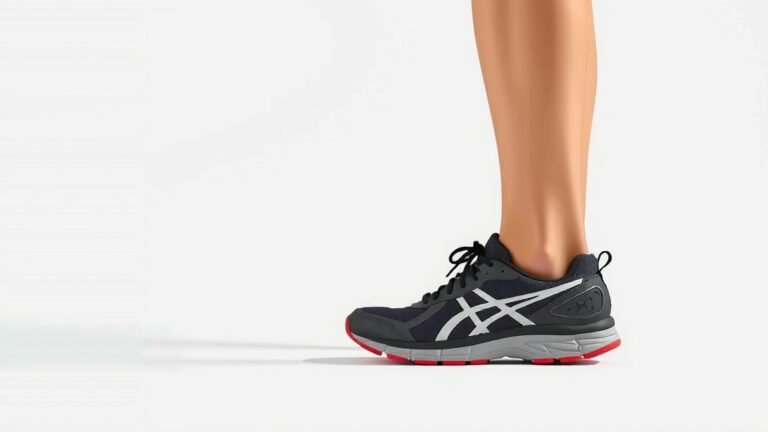
One of the biggest culprits behind toenail damage is ill-fitting shoes. Your shoes need to be the right size and shape for your feet. Even a half-size too small or too large can cause problems over time. When your shoes are too tight, your toes can get squished. This puts constant pressure on your nails.
Understanding Shoe Sizing
It’s not just about length. Width and depth matter too. Many runners think they know their size, but feet can change. Factors like swelling during runs or even aging can affect shoe size. We found that many people wear shoes that are too short. This is a classic setup for toenail trauma.
The “Thumb’s Width” Rule
A good rule of thumb is to have about a thumb’s width of space between your longest toe and the front of your shoe. When you’re standing, you should be able to wiggle your toes freely. Make sure to try on shoes later in the day. Your feet naturally swell then, giving you a more accurate fit.
Testing the Fit During a Run
When you buy new running shoes, test them out on a short run. Does your foot slide around too much? Do your toes feel cramped? Pay attention to any rubbing or pinching. You might even want to wear your usual running socks when trying on shoes. This ensures you account for sock thickness.
Proper Toenail Trimming Techniques
How you trim your toenails is also very important. This might seem simple, but doing it wrong can create issues. Long toenails can catch on the inside of your shoe. They can also bend backward, causing pain and damage. Conversely, cutting them too short can lead to ingrown nails.
The Straight Cut Method
Always cut your toenails straight across. Do not round the edges. Rounded edges can make the nail grow into the skin. This is how painful ingrown toenails start. Use clean, sharp nail clippers. This prevents tearing or damaging the nail.
Avoiding Overly Short Nails
While you want your nails trimmed, don’t cut them too short. This can expose the sensitive nail bed. It also increases the risk of ingrown nails. Aim for a length that’s even with the tip of your toe. You should be able to feel the edge of the nail slightly.
Managing Foot Moisture and Friction
Friction is a major enemy of healthy toenails. Moisture trapped inside your shoes can soften your skin and nails. This makes them more prone to damage and blisters. It can also lead to fungal infections, which further weaken the nails.
Choosing the Right Socks
Cotton socks are generally not ideal for running. They hold moisture against your skin. We found that moisture-wicking socks made from synthetic materials or wool blends are much better. These socks help pull sweat away from your feet. This keeps them drier during your runs.
Addressing Hot Spots and Blisters Early
If you feel a hot spot or a developing blister, stop and address it. Don’t try to run through the discomfort. A blister can form under or around your toenail. This can lead to the nail eventually falling off. Applying a bandage or moleskin can help prevent blisters from worsening.
Running Form and Technique Adjustments
Sometimes, how you run can contribute to toenail problems. If you tend to “slam” your feet down or over-stride, you might be causing extra impact. This can jolt your toes against the front of your shoes.
Gentle Foot Strike
Try to focus on a lighter, quicker cadence. Imagine your feet landing softly beneath you. This reduces the jarring impact on your toes. It’s like landing on a cloud instead of a rock. Many running coaches recommend this for efficiency and injury prevention.
The Importance of Cadence
Increasing your cadence (steps per minute) can help. A higher cadence often leads to a shorter stride. This means your feet spend less time in the air. It also helps you land more naturally. Research suggests that increasing cadence by about 5-10% can make a difference (NCBI).
Other Protective Measures
There are a few other simple things you can do. These can add an extra layer of protection for your toenails. They are easy to incorporate into your routine.
Consider Foot Powder
If you struggle with sweaty feet, consider using foot powder. Apply it to your feet and inside your socks before a run. This can help absorb excess moisture. Keeping your feet dry is a key strategy for preventing friction and blisters.
Check Your Running Shoes Regularly
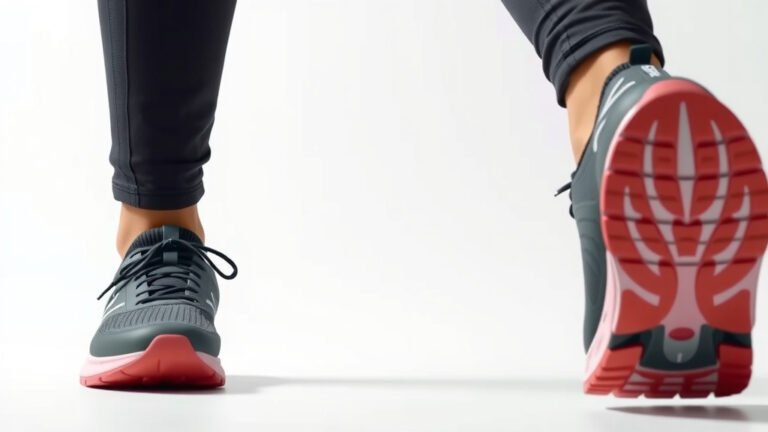
Running shoes don’t last forever. Over time, they lose their cushioning and support. This can lead to increased impact. We found that most experts recommend replacing running shoes every 300-500 miles. Worn-out shoes can indirectly contribute to foot and toenail issues.
Listen to Your Feet Checklist
Here’s a quick checklist to help you keep your toenails safe:
- Ensure at least a thumb’s width of space in your running shoes.
- Trim toenails straight across, not too short.
- Wear moisture-wicking running socks.
- Address any hot spots or blisters immediately.
- Focus on a light, efficient foot strike.
- Replace your running shoes when they are worn out.
Conclusion
Taking care of your toenails while running is all about paying attention to the small details. We’ve seen that proper shoe fit, diligent toenail trimming, and managing moisture are your best defenses. Even small adjustments to your running form can make a big difference. By implementing these strategies, you can significantly reduce the risk of painful toenail damage. Your next step is to check your current running shoes for fit and consider getting moisture-wicking socks for your next run. Happy running!
Frequently Asked Questions
How often should I trim my toenails for running?
You should trim your toenails regularly, typically every few weeks. Ensure they are cut straight across and not too short. This prevents them from irritating the front of your shoe or digging into the skin.
Can wearing the wrong socks cause toenail damage?
Yes, wearing the wrong socks can definitely contribute to toenail issues. Cotton socks trap moisture, leading to friction and softened nails. Moisture-wicking socks made of synthetic materials or wool blends are far better at keeping your feet dry.
What does a “black toenail” from running actually look like?
A black toenail, also known as runner’s toenail, usually appears as a dark red or blackish discoloration under the nail. This is typically caused by repeated impact and pressure, leading to bleeding and bruising within the nail bed.
My toenails keep hitting the front of my shoes. What can I do?
First, ensure you have about a thumb’s width of space between your longest toe and the shoe’s front. If your shoes still feel too short, you might need a larger size or a shoe with a deeper toe box. Adjusting your running form to a lighter foot strike can also help.
Is it okay for my toenail to feel a little sore after a long run?
A little soreness might be normal for some, but significant pain or tenderness is a warning sign. Persistent soreness, throbbing, or visible bruising means you should investigate the cause. It could indicate your shoes are too tight or your trimming technique needs adjustment.