Why Your Ball of Foot Hurts Running: Causes & Relief
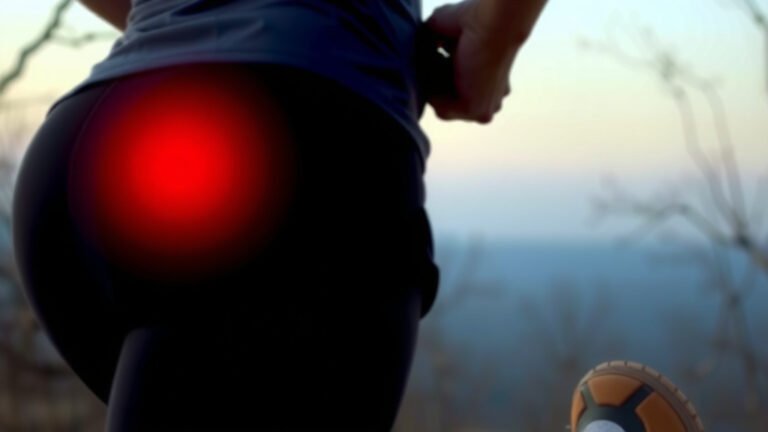
When the ball of your foot hurts while running, it’s often because of excessive pressure or inflammation in that area. Common culprits include metatarsalgia, stress fractures, or even ill-fitting shoes that don’t provide enough cushioning. You might be experiencing discomfort due to your running form or the surfaces you typically run on.
This pain can really put a damper on your runs, can’t it? We’ve researched this, and found that understanding the root cause is key to getting back to pain-free mileage. It could be a sign your feet are taking a beating and need some TLC, or perhaps it’s time to re-evaluate your gear and training routine.
- Pressure on the ball of your foot is a major cause.
- Metatarsalgia and stress fractures are common culprits.
- Shoes and running form play a big role.
- Addressing the cause helps prevent further injury.
Let’s walk through the common reasons why the ball of your foot might be sending you pain signals during your runs and what you can do about it.
Understanding Pain in the Ball of Your Foot When Running
Experiencing discomfort in the ball of your foot during a run is a signal your body is sending. It’s often related to excessive pressure or inflammation in this sensitive area. Many runners find that addressing this pain is key to enjoying their miles again. Let’s look at the common reasons behind this ache.
Common Causes of Ball-of-Foot Running Pain
Metatarsalgia: The Painful Buzzword
You might have heard the term metatarsalgia. It’s a general term for pain in the ball of your foot. This often feels like a bruise or a sharp, shooting pain. It happens when the metatarsal bones in your foot become irritated. This irritation can stem from various factors, making it a common complaint among runners.
Repetitive Stress and Pressure
Running involves a lot of repetitive impact. Each step sends shockwaves up your leg. When you land, your forefoot, particularly the metatarsal heads (the bones just before your toes), bears a lot of weight. Over time, this repeated stress can lead to inflammation. Think of it like repeatedly hitting a drum – eventually, the surface can get sore.
Foot Anatomy and Biomechanics
Your foot’s natural structure plays a big role. If you have high arches or flat feet, the pressure distribution might be uneven. Some people naturally have a longer second metatarsal bone. This can mean that bone takes more impact than others. Even how you push off the ground affects this pressure.
Training Errors and Overuse
Suddenly increasing your mileage or running intensity can overwhelm your feet. Your body needs time to adapt to new demands. Pushing too hard, too soon, is a classic way to invite this kind of pain. It’s like trying to lift a weight that’s too heavy without building up strength. We found that gradual increases in training are essential.
Ill-Fitting or Worn-Out Running Shoes
Your shoes are your primary connection to the ground. If they aren’t the right fit, they can cause big problems. Shoes that are too narrow can squeeze your forefoot. This increases pressure on the ball of your foot. Likewise, shoes that have lost their cushioning won’t absorb shock effectively. This means your feet take more of a beating with every stride.
Lack of Cushioning
Modern running shoes are designed with cushioning to absorb impact. When this cushioning breaks down, usually after 300-500 miles, it’s like running on harder surfaces. Your metatarsals feel every jolt. Experts recommend replacing your running shoes regularly to maintain adequate shock absorption (American Academy of Podiatric Sports Medicine).
Improper Shoe Type
Not all running shoes are created equal. Some offer more support, while others are built for speed. If you’re using a shoe that doesn’t match your foot type or running style, you might be putting undue stress on the ball of your foot. For example, a minimalist shoe might not provide enough cushioning for someone used to highly cushioned trainers.
Stress Fractures in the Metatarsals
Sometimes, the pain is more serious than just inflammation. A stress fracture is a tiny crack in a bone. It often develops from repetitive force, like running. If the pain is sharp and localized, and gets worse with activity, a stress fracture is a possibility. These are common in the metatarsal bones.
When to Suspect a Stress Fracture
The pain from a stress fracture often starts as a dull ache. It may worsen over time, especially during runs. You might notice swelling in the area. Pain that wakes you up at night or hurts even when you’re not running is a red flag. Many guidelines suggest seeing a doctor if you suspect a stress fracture.
Other Potential Culprits
Nerve Entrapment (Morton’s Neuroma)
Sometimes, the pain isn’t from the bone itself, but from the nerves. Morton’s neuroma is a thickening of the tissue around a nerve leading to your toes. This can cause a burning or tingling sensation, or feeling like you have a pebble in your shoe. Tight shoes can make this condition worse.
Fat Pad Atrophy
The ball of your foot has a natural fatty pad. This pad acts as a shock absorber. As we age, or with certain medical conditions, this pad can thin out. This is called fat pad atrophy. With less padding, your metatarsal bones are more exposed to impact and pressure.
Your Action Plan for Ball-of-Foot Pain
Dealing with this pain can feel frustrating, but there are steps you can take. Addressing the root cause is your best bet for getting back to pain-free running. Here’s a simple checklist to guide you:
- Evaluate your running shoes for wear and tear.
- Consider if you’ve recently increased mileage too quickly.
- Check for any new tenderness or swelling in the ball of your foot.
- Think about the surfaces you typically run on.
- Listen to your body and don’t push through sharp pain.
- Consult a healthcare professional if pain persists.
We found that a combination of smart shoe choices, careful training adjustments, and understanding your foot’s unique needs can make a huge difference.
Conclusion
Your foot pain is a clear message from your body. It’s telling you that something needs attention, whether it’s your shoes, your training, or your foot’s natural mechanics. We’ve seen that understanding the common causes, like metatarsalgia or even stress fractures, is the first step. Don’t ignore these signals; they can lead to more serious issues if left unchecked. Your next step should be to honestly assess your running habits and gear. If the pain persists or feels severe, don’t hesitate to seek advice from a podiatrist or sports medicine doctor. You’ve got this!
Frequently Asked Questions
How can I tell if my ball-of-foot pain is serious?
Sharp, localized pain that worsens with activity, especially if it wakes you at night or hurts even when you’re not running, is a sign it could be serious. Swelling in the area is also a concern. If you suspect a stress fracture or nerve issue, it’s best to consult a healthcare professional.
Can I still run if the ball of my foot hurts?
It’s generally not recommended to run through sharp or increasing pain. You might be able to do very short, easy runs if the pain is mild and only occurs during activity. However, listen to your body. Pushing through pain can worsen the injury and lead to a longer recovery time.
What kind of shoes should I wear if the ball of my foot hurts?
Look for shoes with good cushioning, especially in the forefoot area. Ensure they fit well without being too tight or too loose. A shoe with a wider toe box and adequate arch support can also help. Consider consulting a specialty running store for a gait analysis and personalized recommendations.
Are there any exercises I can do for ball-of-foot pain?
Gentle stretching for your calves and the arch of your foot can be beneficial. Strengthening exercises for your foot and ankle muscles, like toe curls or heel raises, can also help improve support. However, avoid any exercises that aggravate your pain. Always consult a physical therapist or doctor before starting a new exercise program.
How long does metatarsalgia usually take to heal?
The healing time for metatarsalgia varies depending on its severity and how quickly you address it. Many runners find relief within a few weeks by resting, modifying their activity, and ensuring proper footwear. More persistent cases might take several months. Consistent self-care and professional guidance are key.