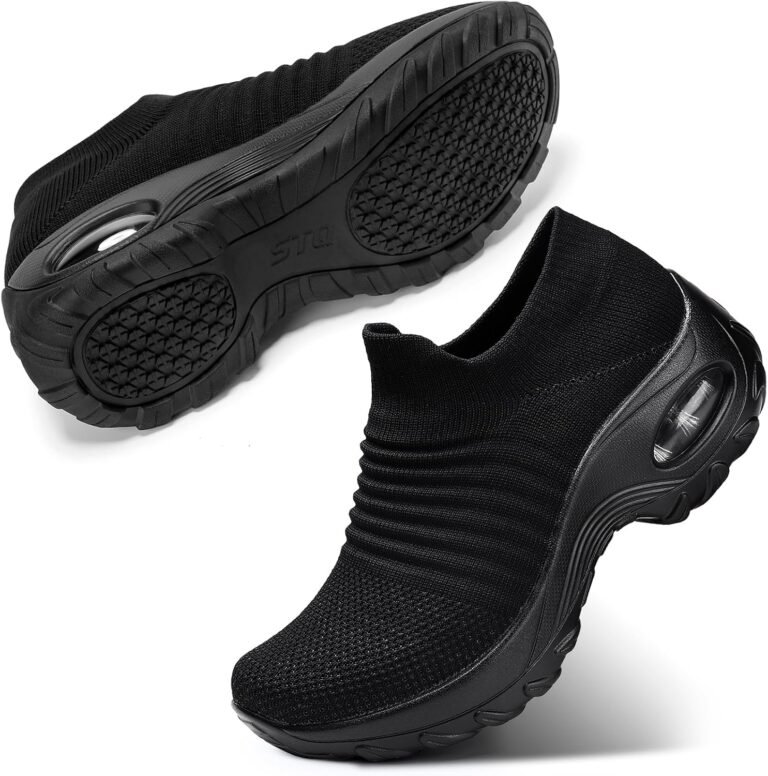
Best Flexible Walking Shoes for Baby Girls
The best walking shoes for your baby girl with a flexible fit are ones that bend easily at the toe, have a wide toe box, and feel like a soft glove for her feet. You want shoes that mimic barefoot walking to help her balance and build strong foot muscles. We found that flexibility is the most important feature to look for at this stage.
Finding the right pair can feel overwhelming with so many cute options out there. But the cutest shoe is useless if it makes her stumble or slows her down. Your little one’s feet are still developing, and rigid shoes can actually harm her natural stride. Flexible soles, breathable materials, and a secure but gentle fit are what you really need to prioritize right now.
- Flexibility first: The shoe should bend easily with your hands, right at the toe area.
- Wide toe box: Give her toes room to spread and grip the floor naturally.
- Non-slip grip: Look for a thin, textured rubber sole for safety on smooth floors.
- Easy on/off: Velcro or elastic laces make life easier for wiggly toddlers.
- No arch support needed: Babies have flat feet, and that is normal and healthy.
Below, we break down everything you need to know about picking the perfect flexible walking shoes for your baby girl, plus the best types of shoes to look for and what to avoid.
Why Flexible Fit Matters More Than Cuteness
We get it. Those tiny pink sneakers with the bows are adorable. We have all almost bought the shoe because of the look. But your daughter’s foot health matters way more right now. We found that the structure of her first walking shoes can shape how she walks for years to come.
When you put a rigid shoe on a baby, you are basically putting a cast on her foot. She cannot feel the ground. She cannot grip with her toes. This makes her balance worse, not better. Experts agree that barefoot is truly best for foot development, but we know that is not always possible outside (Cleveland Clinic).
Think of a flexible shoe like a protective sock. It keeps her feet safe from rocks and dirt, but it still lets her muscles do all the work. That is the goal here. You want protection without restriction.
The “Barefoot Mimicking” Design Principle
You might hear the term “barefoot shoes” a lot in parenting groups. It sounds a little crunchy, but it is actually just smart science. These shoes are designed to let her foot move exactly like it would if she had no shoes on at all.
We found that the best brands use thin soles and zero heel lift. This keeps her foot flat on the ground. It also allows her ankle to bend freely. This is how she learns to balance properly.
If the shoe has a thick, cushioned heel, it will push her weight forward. That makes her stumble. A flat, flexible sole is the safest option for a new walker.
Signs You Are Looking at a Truly Flexible Sole
Here is a simple test you can do right in the store. Pick up the shoe. Grab the heel with one hand and the toe with the other. Now, try to bend it.
- Good fit: The shoe folds easily at the toe box, usually within the first third of the shoe.
- Bad fit: The shoe only bends in the middle, like a taco. This is a huge red flag.
- Good fit: You can twist the shoe slightly, like wringing out a towel.
- Bad fit: The shoe is stiff and resists your twisting motion at all.
If you really have to wrestle with the shoe to bend it, put it back on the shelf. Your daughter will struggle just as much to walk in them.
Matching the Shoe to Her Walking Stage
Not all walkers are at the same level. A girl who is just pulling up to stand needs different shoes than a girl who is already running around the park. We found that matching the shoe to her stage prevents frustration.
For the First-Time Walker (Cruisers)
If she is still holding onto the couch to move, she needs maximum grip and sensation. Look for shoes that are basically water shoes or moccasins. These have the thinnest soles and the most ground feel.
Many experts say that this stage benefits from shoes that are flexible enough to roll up in your hand. The sole should be rubber, but it should be paper-thin. This helps her brain map the ground beneath her feet.
For the Confident Walker (Up and Running)
Once she is walking on her own, she needs a tiny bit more durability. Don’t go crazy with thick soles just yet. You just want a shoe that can survive a scrape on the pavement. Look for a sole that is about the thickness of a credit card or slightly thicker.
You also want to pay attention to the toe cap now. Kids drag their toes at this age. A little rubber wrap on the front of the shoe protects the fabric and her little toes.
The Anatomy of the Perfect Shoe for Baby Girls
We broke down the perfect shoe into four key parts. If a shoe hits all these marks, it is a winner. If it misses even one, it might cause problems down the road.
| Shoe Part | What You Need | Why It Matters |
|---|---|---|
| Toe Box | Extra wide, foot-shaped | Lets toes spread and grip. |
| Sole | Thin, bendy, flat | Allows natural foot roll. |
| Closure | Velcro straps or elastic | Easy to adjust for swelling. |
| Material | Leather or breathable mesh | Prevents sweaty feet and blisters. |
We found that shoes with laces are a big no-no at this age. They come undone constantly and are hard to tighten correctly. Velcro is your best friend for the next few years.
Check the Toe Box First
Look down at the shoe from the top. Does it look like a rounded rectangle? That is what you want. If it looks like a triangle that comes to a point at the big toe, skip it. Her foot is actually shaped like a fan, and her shoes should match that shape.
Skip the Arch Support
We need to have a talk about arch support. Babies are born with flat feet. This is completely normal. The arch develops over time as they walk and build muscle. Adding arch support too early can actually weaken those developing muscles.
If you see a shoe with a big bump inside, an orthotic wedge, put it down. You don’t need it. The US health guidelines generally point to flat, flexible shoes for healthy toddler development (NCBI). Keep her feet free to build their own strength.
The Best Shoe Styles to Look For
You don’t need to spend a fortune to find good shoes. We found that the style matters more than the brand name. Here are the best types of shoes that consistently offer that flexible fit we are looking for.
First Walkers and Soft Sole Shoes
These are your classic “baby shoe” styles. They look like leather moccasins or slip-ons. The soles are usually made of soft suede or very thin rubber. These are perfect for indoor use and for babies who are just getting the hang of things.
Avoid shoes with a raised heel, even if it is small. Some fashion sneakers have a little lift. You want the shoe to sit flat on the ground, just like her bare foot would.
Flexible Rubber Sole Sneakers
These are the everyday workhorses. They look like mini running shoes, but the sole is surprisingly bendy. We found that brands like See Kai Run, Stride Rite, and other dedicated kids’ shoe companies build their soles to pass the “bend test” easily.
These are great for daycare or the playground. They protect against splinters and wet grass while still moving with her foot.
Water Shoes and Sandals
Summer time might make you reach for hard plastic sandals. Don’t do it! Hard plastic sandals are the enemy of flexible fit. They force her toes to grip in an unnatural way.
Instead, look for water shoes or soft leather sandals. These have stretchy fabric and bendy rubber. They drain water well and dry quickly, which keeps her feet happy.
Getting the Fit Right Without a Fitting Machine
You do not need one of those metal measuring devices to get a good fit, although they are helpful. We found a simpler method that works just fine at home. It takes about thirty seconds and a pair of socks.
Have her stand up with her socks on. Push her toes all the way to the front of the shoe. Check the back. You should be able to fit one adult finger behind her heel. That gives her about a thumb’s width of growing room.
The Squeeze Test for Width
Once the shoe is on, squeeze the sides near her pinky toe. The material should have a little give to it. You should be able to pinch a small bit of the upper between your fingers. If it is stretched so tight you can’t pinch it, the shoe is too narrow (American Academy of Pediatrics).
The “Wiggle” Test for Length
Ask her to wiggle her toes. Can you see them moving inside the shoe? If you can see the outline of her toes pressing against the mesh or leather, the shoe is too short or too tight.
She should have plenty of room to move. If she cannot wiggle, she will probably refuse to walk. Kids vote with their feet, quite literally.
Quick Checklist for Your Shopping Trip
Before you head out, we distilled this entire guide into a quick checklist. Save this to your phone or copy it down. It will help you stay focused when you are surrounded by 200 pairs of tiny, cute shoes.
- Bend test passed: Shoe bends easily at the toe, not the middle.
- Zero heel lift: The shoe sits completely flat on the table.
- Room to grow: One adult finger fits behind the heel.
- Squeeze test: You can pinch material at the pinky toe.
- Velcro closure: No laces, easy to adjust tightness.
- Machine washable: Because they will get dirty immediately.
Take your time and let her try them on. Encourage her to walk around the store in them. Watch how she moves. If she is unsteady or falling more than usual, those shoes are not for her. Trust your gut and move on to the next pair.
Conclusion
Finding the right walking shoes for your baby girl does not have to be stressful. You just need to remember one simple rule: flexibility beats fashion. Skip the stiff soles and the cute but rigid sneakers. Your daughter needs shoes that bend easily, feel flat, and give her toes plenty of room to grip the ground.
You have all the tools you need now. Use the bend test in the store. Check for a wide toe box and zero heel lift. Let her walk around and watch how she moves. Her comfort and balance are the best indicators of a good fit. Trust your instincts and grab a pair that passes the checklist. Your little one will be running in no time.
Frequently Asked Questions
How often should I check if her walking shoes still fit?
Baby feet grow fast. Check the fit every 6 to 8 weeks during this stage. Look for red marks on her feet after she takes the shoes off. When in doubt, size up to give her toes room to spread.
Can my baby girl wear hand-me-down walking shoes?
You should skip hand-me-downs for first walking shoes. Used shoes are already molded to another child’s foot shape. This can push her toes into an unnatural position and affect her balance. Spend the money on new shoes for the best support.
Are barefoot shoes the same as flexible walking shoes?
Barefoot shoes are a category of flexible walking shoes, but not all flexible shoes are “barefoot.” Barefoot styles have the thinnest soles and zero cushioning. They are great for indoor use and new walkers. For outdoor play, look for flexible shoes with a slightly thicker but still bendy rubber sole.
What if my baby girl refuses to walk in her new shoes?
Take them off and try again later. Some babies need a few short sessions to get used to the new feeling. Start with 15 minutes indoors at a time. If she still refuses after a week, the shoes might be too tight or too stiff. Recheck the fit and bendiness.
Should I buy walking shoes a size bigger for her to grow into?
Do not buy shoes more than one thumb’s width too big. Oversized shoes cause tripping and make it hard for her to walk naturally. A snug but roomy fit is best. She should have about a finger’s width at the heel and plenty of toe wiggle room, but nothing more.