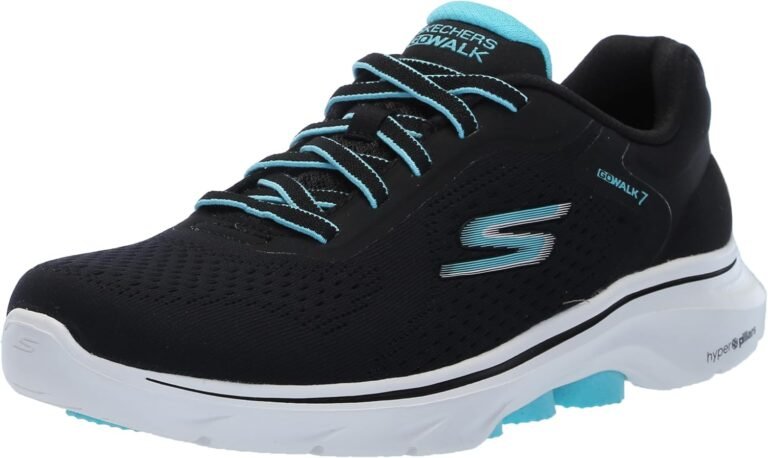
Walking Shoes vs Training Shoes: Which Do You Need?
The short answer is that walking shoes prioritize cushioning and comfort, while training shoes prioritize stability and support for multi-directional movement. If you’re mostly logging miles on flat, even surfaces, a walking shoe is your best bet. If your workout includes lunges, squats, or gym classes, you absolutely need a training shoe.
We looked at how each shoe is built and what that means for your feet. We found that the biggest difference comes down to the sole and how your foot lands. Walking shoes have a curved sole to help you roll through your stride. Training shoes have a flatter base to keep you grounded during side-to-side moves.
- Walking shoes are soft and cushioned for straight-ahead movement.
- Training shoes have a firmer, flatter sole for better balance.
- Wearing a walking shoe to the gym can make you feel wobbly during lifts.
- Wearing a training shoe for a long walk can make your feet feel tired.
- Your choice should match your main activity, not your style.
Below, we break down exactly how to choose the right pair for your feet and your routine. Let’s make sure your next pair of shoes has your back (and your arches) covered.
Walking Shoes Versus Trainers: Picking the Right One for Your Routine
You might think any athletic shoe works for any activity. That’s a common mistake. We found that wearing the wrong type can lead to foot pain, blisters, or even injuries. The good news is that choosing the right pair is simpler once you understand the design differences.
Your foot moves differently when you walk versus when you lift weights. Your shoes need to match that movement. Let’s look at what happens under your feet during each activity so you can make the best call for your body.
How Your Foot Moves When You Walk
Walking is a heel-to-toe motion. Your heel strikes the ground first. Then your foot rolls forward through the arch. Finally, your toes push off to take the next step. It’s a smooth, straight-line motion. Walking shoes support this natural rolling action.
That’s why walking shoes have a curved sole. The curve, often called a rocker bottom, helps your foot roll forward with less effort. The heel is often slightly elevated and beveled to absorb impact. The cushioning is soft and plush, especially in the heel area where you land first.
How Your Foot Moves During Training
Training involves a lot of stopping, starting, and changing direction. Think about a lunge. Your foot stays flat on the ground. Think about a side shuffle. Your foot pushes off sideways. Training requires a stable, flat base to keep you grounded and balanced.
Most experts say that training shoes have a firmer midsole. They are less cushioned than walking shoes. The sole is wider and flatter. This design gives you a solid platform to push against when you lift or squat. The upper part of the shoe is also more durable to handle lateral stress.
The Main Structural Differences That Matter
We looked at the anatomy of both shoe types. The differences go beyond just color or style. The sole, heel, and upper materials are all built for specific tasks. Here is a quick comparison to show you what we found:
| Feature | Walking Shoe | Training Shoe |
|---|---|---|
| Sole Shape | Curved, rocker bottom | Flat and wide |
| Cushioning | Soft and thick | Firm and responsive |
| Heel Drop | Moderate to high | Low to zero |
| Best For | Straight-ahead motion | Multi-directional moves |
This table is a simple way to see the differences. The heel drop matters a lot. Walking shoes have a higher drop, which means the heel is higher than the toe. This helps with the heel-to-toe stride. Training shoes keep your foot more level with the ground.
Why Cushioning Levels Differ
Walking puts repetitive, low-impact stress on your feet. You need soft cushioning to absorb each step. Too much firmness would make your feet feel sore after a few miles. The padding in a walking shoe acts like a shock absorber. It softens the blow on hard pavement.
Training puts high, short bursts of pressure on your feet. Too much soft cushioning makes you unstable. Imagine squatting on a pillow. You would wobble. A training shoe’s firm sole gives you a stable connection to the floor, which is safer for heavy lifts.
The Role of the Heel and Ankle Support
Walking shoes often have a raised, cushioned heel collar. This helps lock your heel in place during the rolling motion. The support is focused on guiding your foot forward. It is not designed for sudden lateral cuts or pivots.
Training shoes have a lower, wider heel base. This lowers your center of gravity, which improves balance during exercises like lunges or step-ups. The upper material around the midfoot is often reinforced to prevent your foot from sliding inside the shoe when you change direction quickly.
Sneaker Tread and Traction Patterns
Have you ever looked at the bottom of your shoe? The tread pattern tells a story. We found that walking shoes have smooth treads. They are designed for flat, even surfaces like sidewalks or indoor tracks. The rubber is often lighter and softer to give a smooth feel.
Training shoes have more aggressive traction. The rubber is harder and features multi-directional lugs. These small patterns grip the floor whether you move forward, backward, or sideways. This grip is essential in a gym setting where floors can be slick.
When You Might Need a Hybrid Shoe
Some brands make shoes that try to do both. They are often called cross-trainers. We found that these are okay if you do a mix of light walking and casual gym work. They offer a compromise between cushioning and stability.
But remember, a compromise means they are not great at either activity. If you walk 10,000 steps a day and then do heavy squats, you are better off owning two pairs. Your feet will thank you for the proper support in each scenario.
Signs You Are Wearing the Wrong Shoe
Your body will tell you if you have the wrong shoe. We found that foot pain is the most common signal. But there are other signs to watch for. Here are a few clues that your shoe does not match your activity:
- Your ankles feel wobbly when you stand on one leg during a workout.
- Your feet ache after a long walk in your gym trainers.
- You get blisters on the sides of your toes from lateral moves.
- Your knees hurt after walking because the shoe is too stiff.
- You feel like you are sinking into the ground when lifting weights.
- Your balance feels off during side lunges or agility drills.
If any of these feel familiar, it might be time to switch. Your shoes should not cause pain. They should support the specific way you move.
The Comfort Trap
You might try on a walking shoe and think it feels amazing. It is soft and pillowy. That comfort is great for walking, but it is a trap for the gym. The moment you try to do a deadlift, that softness works against you. The shoe compresses and makes you unstable.
We found that firmness feels different, but it is often the safer choice for training. A firm base gives you a solid foundation. You feel more connected to the ground. That connection is critical for proper form during strength exercises.
A Simple Checklist for Your Next Pair
Before you buy, ask yourself a few questions. This checklist will help you match the shoe to your true needs. Be honest about what you do most.
- Do I walk more than 5 miles a week? Choose a walking shoe.
- Do I lift weights or do HIIT classes? Choose a training shoe.
- Do I mostly walk on a treadmill or outdoors? Walking shoe for sure.
- Do I do lunges, squats, or side steps? You need a training shoe.
- Am I doing a mix of both equally? Consider two separate pairs.
- Does my foot slide around inside my current shoe? Check the upper fit.
This simple list covers most routines. Many guidelines point to matching your shoe to your primary activity as the best first step (Cleveland Clinic). Your foot mechanics depend on it.
How Long Should Each Type Last?
Walking shoes break down faster. The soft foam wears out after about 300 to 500 miles. Once the cushioning compresses, you lose the shock absorption. That is when knee and hip pain can start. Check the outsole for wear patterns.
Training shoes last longer in terms of miles. The firmer foam holds its shape. But the upper can wear out faster because of all the twisting and pulling. Look for tears in the mesh or separation at the toe box. If the shoe no longer holds your foot snugly, it’s time for a new pair.
Making the Final Call for Your Feet
There is no single shoe that is best for everyone. The right choice is the one that matches your routine. If you are walking for fitness, a cushioned walking shoe is your friend. If you are hitting the gym floor, a flat training shoe is your partner. If you’re curious about specific walking shoe models, our roundup of the best walking shoes and boots offers tested picks.
We found that most foot problems come from wearing the wrong tool for the job. You wouldn’t use a hammer to screw in a nail. The same logic applies to your footwear. Pick the shoe built for your movement, and your feet will stay happy and healthy. Take a look at what you did last week and let that guide you.
Conclusion
Your feet deserve a shoe that matches how you actually move. We walked you through the key differences, and the takeaway is simple: walking shoes roll you forward, while training shoes keep you grounded. Soft cushioning feels great on a stroll but turns risky under a heavy squat. A flat, firm sole protects your balance during lunges but leaves your feet aching after a long walk.
Look back at your last week of activity. What did you do most? That is your answer. If you split your time evenly between both, owning two pairs is the smart move. Your joints, arches, and ankles will all thank you. So take the guesswork out of your next purchase and buy for your routine, not for the style. Your body will notice the difference right away.
Frequently Asked Questions
Can I use running shoes for walking and training?
Running shoes are built for forward motion, just like walking shoes, but with extra heel cushioning for impact. They can work for casual walking, but they are too soft for weightlifting or lateral moves. You will feel unstable during side lunges or squats. Stick to a proper training shoe for gym work.
What is the main difference between a cross-trainer and a training shoe?
Cross-trainers are a middle ground that tries to handle light walking, running, and gym work in one pair. Training shoes are more specialized for strength work and agility drills. If you are serious about lifting, a true training shoe offers a firmer, flatter base. Cross-trainers work best for casual, varied routines.
How do I know if I need a zero-drop shoe for the gym?
Zero-drop shoes keep your heel and toe at the same height, which mimics a barefoot stance. This helps with balance during heavy lifts like deadlifts or squats. If you have good ankle mobility and want maximum ground contact, try a zero-drop training shoe. Ease into them slowly to let your calves adjust.
Is it bad to wear training shoes all day for everyday errands?
Training shoes are firm and flat, so they lack the cushioning your feet need for prolonged standing or walking. Wearing them all day can lead to sore heels and tired arches. Reserve them for your workout sessions. Pick a walking or casual shoe for your daily errands instead.
Do walking shoes provide enough support for light jogging?
Walking shoes are not designed for the higher impact of jogging. The softer sole compresses too much under a running stride, which can lead to instability and foot fatigue. For light jogging, grab a dedicated running shoe. It offers better shock absorption and a smoother transition for that motion.