Foam vs Gel Cushioning: Which Is Right for You in 2026?
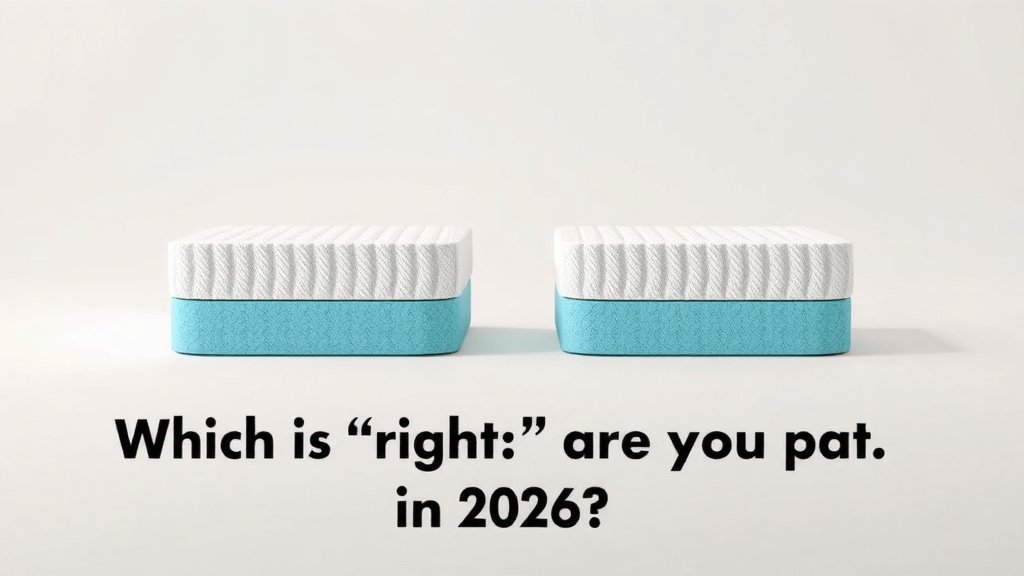
Foam cushioning feels softer and molds to your foot, while gel cushioning gives you a firmer, more responsive bounce. Neither is automatically better. The right pick depends on how you move, how long you’re on your feet, and what your joints are asking for.
Here’s the thing: foam tends to shine for everyday comfort and long wear, while gel holds up better for impact-heavy activities like running or jumping. We dug through expert reviews and user feedback and found that most people choose wrong simply because they don’t know this difference. Sound familiar? Don’t worry, we’ve got you.
TL;DR — Foam vs Gel Cushioning:
- Foam is lighter, softer, and great for all-day comfort.
- Gel absorbs impact better and keeps its shape longer.
- Heavier runners and hard workouts usually do better with gel.
- Budget and durability matter — foam often breaks down faster.
- Your feet will tell you the truth: comfort beats hype every time.
Below, we break down everything you need to know about foam vs gel cushioning, so you can pick the one that actually fits your feet and your life.
What Makes Foam and Gel Cushioning Different?
Foam is a squishy, air-filled material that compresses under your weight. Gel is a dense, rubber-like substance that spreads out shock in one spot. That’s the core difference.
Think of foam like a marshmallow. It gives everywhere your foot presses. Gel works more like a tiny shock absorber under your heel. It takes the hit and pushes back.
We found that this single difference shapes everything else: comfort, durability, weight, and price. Once you get it, choosing gets way easier.
How Foam Cushioning Feels Under Your Feet
Foam feels soft at first contact. It molds to your foot within a few steps, which is why so many people love it right out of the box.
There’s a trade-off, though. Foam compresses over time. Experts at the American Academy of Podiatric Sports Medicine note that midsole foam can lose much of its cushioning within a few hundred miles of use. Your knees often feel it before your eyes see it.
The Upside of Foam
Here’s what foam does well:
- Lightweight — you barely notice it on your feet.
- Even pressure — it spreads your weight across the whole foot.
- Cozy feel — great for walking, errands, and long shifts standing.
- Lower price — most foam options cost less than gel versions.
Where Foam Falls Short
Softness fades. When foam breaks down, it stops absorbing shock the way it used to. If you’re a heavier runner or you pound pavement daily, that matters.
We found that people who stick with worn-out foam often report aches in their knees and lower back. Your cushioning should work, not just sit there looking pretty.
How Gel Cushioning Handles Impact
Gel is built for one job: absorbing shock. It’s usually placed in the heel or forefoot, right where the pounding happens.
Picture dropping an egg onto a pillow versus onto a gel pad. The gel spreads the force out instead of letting it bounce back up your leg. Many experts say this makes gel a smart pick for running, jumping, and hard training sessions.
Why Gel Lasts Longer
Gel doesn’t compress the way foam does. It keeps its shape through more miles and more workouts. That means you replace your shoes less often.
The catch? Gel adds weight. And it feels firmer, which some people mistake for “less comfortable.” It’s not less comfortable — it’s just a different kind of comfort.
The Downsides of Gel
- Heavier — you feel the extra ounces on long walks.
- Firmer feel — takes a few wears to get used to.
- Higher cost — gel models often cost more upfront.
- Less moldable — it won’t hug your foot like foam does.
Foam vs Gel: A Side-by-Side Look
Sometimes you just need to see it all in one place. Here’s the quick comparison:
| Feature | Foam | Gel |
|---|---|---|
| Feel | Soft, molds to foot | Firm, bouncy |
| Weight | Light | Heavier |
| Impact protection | Moderate | Strong |
| Durability | Fades faster | Holds shape longer |
| Best for | Walking, all-day wear | Running, high-impact sports |
| Price | Usually lower | Usually higher |
Which One Should You Pick for Your Activity?
Your activity should drive the decision. Not the color. Not the brand hype. The activity.
For Walking and Standing All Day
Go with foam. When you’re on your feet for eight hours, you want even pressure and a soft ride. Nurses, teachers, and retail workers — this is your lane.
For Running and High-Impact Workouts
Lean toward gel. Running puts two to three times your body weight on each footstrike, according to sports medicine research from the NIH. Gel absorbs that hit better and keeps doing it mile after mile. Our guide to choosing asphalt running shoes covers what pavement pounding demands from cushioning.
For Heavier Runners
Gel wins again here. Soft foam compresses quickly under more weight, leaving you running on flat tires. Gel stays supportive longer.
For Joint Pain or Sensitive Knees
Either can work, but many physical therapists suggest starting with gel for its shock absorption. If your pain continues, check in with a doctor or podiatrist — the Cleveland Clinic recommends getting persistent joint pain evaluated rather than toughing it out.
Signs Your Current Cushioning Has Given Up
Shoes rarely announce their retirement. You have to read the clues. Here’s a quick checklist:
- Your heels ache after walks that used to feel easy.
- The midsole wrinkles or flattens when you press it.
- Your shoes tilt inward on a flat surface.
- You notice new knee or back soreness after workouts.
- The outsole tread is worn smooth in spots.
- They simply feel dead underfoot, like walking on cardboard.
Most experts say running shoes last roughly 300 to 500 miles. If you’re way past that, no cushioning type will save you.
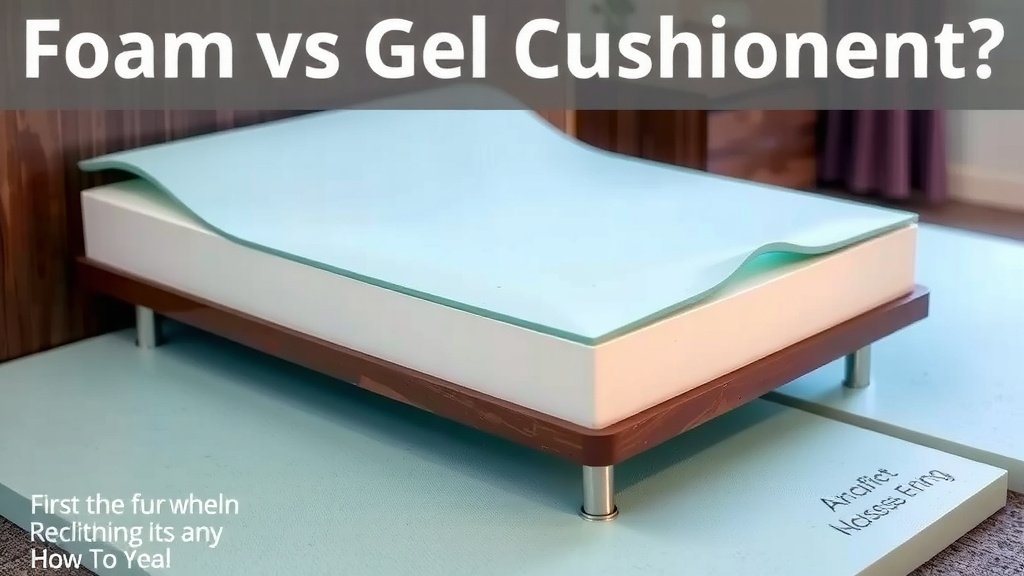
Can You Combine Foam and Gel?
You can — and plenty of shoes already do. Many running shoes pair a foam midsole with gel pods at the heel. You get soft comfort plus targeted shock protection.
We found that hybrids work well for people who do a bit of everything: walking, light jogging, and gym days. Just know that combo shoes usually cost more, and they’re not always the best at either job.
What About Cushioned Insoles?
Don’t sleep on insoles. If your favorite shoes lack support, a foam or gel insole can change the whole feel for under thirty bucks.
Gel insoles suit heels and high-impact days. Foam insoles suit standing and walking. You can even swap them out depending on your plans — one pair of shoes, two personalities.
How to Test Cushioning Before You Buy
Words on a box won’t tell you much. Your feet will. Try this:
- Press test: push your thumb into the midsole. Soft with slow rebound means foam. Firm with quick rebound means gel.
- Walk test: spend at least five minutes walking in the store, not just standing.
- Jump test: if you’re buying for running, do a few light hops. Feel where the impact lands.
- Evening test: shop late in the day when your feet are slightly swollen, just like they’ll be during real wear.
- Sock test: wear the socks you actually plan to use.
Sound like a lot? It takes ten minutes. And it beats paying for shoes you’ll only wear to take out the trash.
The Bottom Line on Comfort vs Performance
Foam is your comfort pick. Gel is your performance pick. Neither is the hero — your feet and your routine are the judges.
Many experts agree on one thing: cushioning is personal. What feels like a cloud to your friend might feel like a brick to you. Trust your own two feet over any review, including this one.
Conclusion
Choosing between foam and gel doesn’t have to feel like a guessing game. Foam gives you that soft, cozy ride for everyday wear, while gel takes the pounding from running and tough workouts without wearing out as fast. We found that most people are happiest when they match the cushioning to their activity, budget, and body — not to a brand name. If your current shoes leave you sore or flat-feeling, that’s your cue to move on. So here’s your next step: run the press test and walk test this week, and pick the one your feet thank you for.
Frequently Asked Questions
Do gel shoes last longer than foam shoes?
Generally, yes. Gel holds its shape better under repeated impact, while foam compresses and softens over time. That said, the outsole and upper of any shoe wear out too, so gel won’t make your shoes immortal.
Is gel or foam better for plantar fasciitis?
It depends on where your pain sits. Foam offers even pressure that feels good on tender arches, while gel’s heel-focused shock absorption can help with morning heel pain. If the pain sticks around, a podiatrist can point you to the right support.
Can I replace gel with foam insoles in my running shoes?
You can, but be careful. Foam insoles add softness but may not handle repeated hard landings as well as the gel setup your shoes were designed with. If you’re a regular runner, we’d stick closer to the original design or look for a hybrid insole.
Why do my new cushioned shoes hurt at first?
New cushioning often needs a short break-in period, especially firmer gel. Your feet also need time to adjust to a different feel underfoot. Wear them for an hour or two a day for the first week before going all in.
Does weight matter when choosing between foam and gel?
It really does. Heavier bodies compress soft foam faster, which shortens its lifespan and its support. If you’re on the heavier side or logging serious miles, gel’s firmer structure tends to hold up better.