Best Running Shoes for Wide Feet: A Buyer’s Guide
Running shoes for wide feet are designed with a wider base and more room in the toe box. This helps prevent discomfort and pain caused by pressure on the sides of your feet. You can find many great brands that offer shoes in wide or extra-wide widths.
If you have wide feet, standard shoe sizes can feel like a vise. This often leads to blisters, bunions, and general soreness. Thankfully, shoe manufacturers understand this problem. They create models specifically to give your feet the space they need to run comfortably. This is a game-changer for your running experience.
- Wide shoes offer more room in the toe box and midfoot.
- Look for width options like ‘2E’, ‘4E’, or ‘XXW’.
- Proper fit prevents common foot issues like blisters and bunions.
- Many top running shoe brands offer wide models.
Let’s get you the right pair of running shoes. We’ll walk through what makes a shoe good for wide feet.
Finding the right running shoes can feel like a quest. Especially when your feet are wider than average. Standard shoes often feel like they’re trying to squeeze your feet into a smaller box. This can lead to a lot of discomfort. Blisters, bunions, and general foot fatigue are common complaints. But don’t worry, there are plenty of options out there designed just for you.
What Makes a Running Shoe “Wide”?
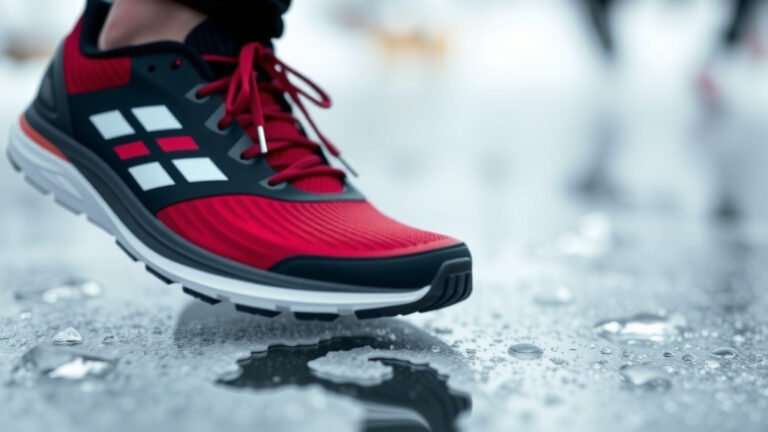
Running shoes designed for wide feet have a few key differences. They offer more space where you need it most. This means a broader base and a more generous toe box. This extra room helps prevent your toes from being crammed together. It also provides comfort across the midfoot. Your feet can splay naturally as you run.
Understanding Width Sizing
Shoe widths are typically indicated by letters. For men, a standard width is ‘D’. A wide shoe for men is often ‘2E’. An extra-wide men’s shoe is usually ‘4E’. For women, a standard width is ‘B’. A wide women’s shoe is often ‘D’. Extra-wide women’s shoes are usually ‘2E’. Always check the sizing chart for the brand you’re considering. Some brands use different letter codes.
Toe Box Shape Matters
The toe box is the front part of the shoe where your toes sit. For wide feet, a rounded or anatomically shaped toe box is ideal. This gives your toes enough room to spread out. A narrow, pointed toe box can cause painful pressure. It can lead to issues like bunions and hammertoes. Research shows that allowing toes to spread can improve stability (American Podiatric Medical Association).
Finding the Right Fit: Key Considerations
Getting the right fit is the most important step. Even a shoe designed for wide feet can be wrong if it’s not the right overall fit. You want a shoe that feels secure but not tight. There should be about a thumb’s width of space between your longest toe and the end of the shoe. Your heel should not slip when you walk or run.
The Importance of Trying Them On
It’s always best to try on running shoes before you buy them. Ideally, try them on at the end of the day. Your feet tend to swell throughout the day. This gives you a more accurate sense of fit. Wear the type of socks you normally run in. Walk around the store. If possible, do a short jog to see how they feel in motion.
Online Shopping Tips
If you prefer to shop online, do your homework. Read reviews from other runners with wide feet. Many online retailers have detailed sizing guides. Look for retailers with good return policies. This way, you can send them back if they don’t fit right. Check the specific width options available for the model you’re interested in. Brands often list them clearly.
When to Go for Extra Wide
Some people need more than just a standard “wide” option. If you consistently find even wide shoes feel a bit snug, look for extra-wide or ‘4E’ (for men) or ‘2E’ (for women) options. Don’t settle for a shoe that pinches. It’s better to have a little extra room than not enough. Your feet will thank you on longer runs.
Top Brands with Wide Options
Many reputable running shoe brands understand the need for wider fits. You don’t have to sacrifice performance for comfort. Here are some brands that consistently offer excellent shoes in wide widths:
- Brooks: Known for their comfortable cushioning and various width options.
- New Balance: A long-time favorite for offering a wide range of widths, from standard to extra-extra wide.
- Saucony: Offers many popular models in wide (‘2E’ for men, ‘D’ for women).
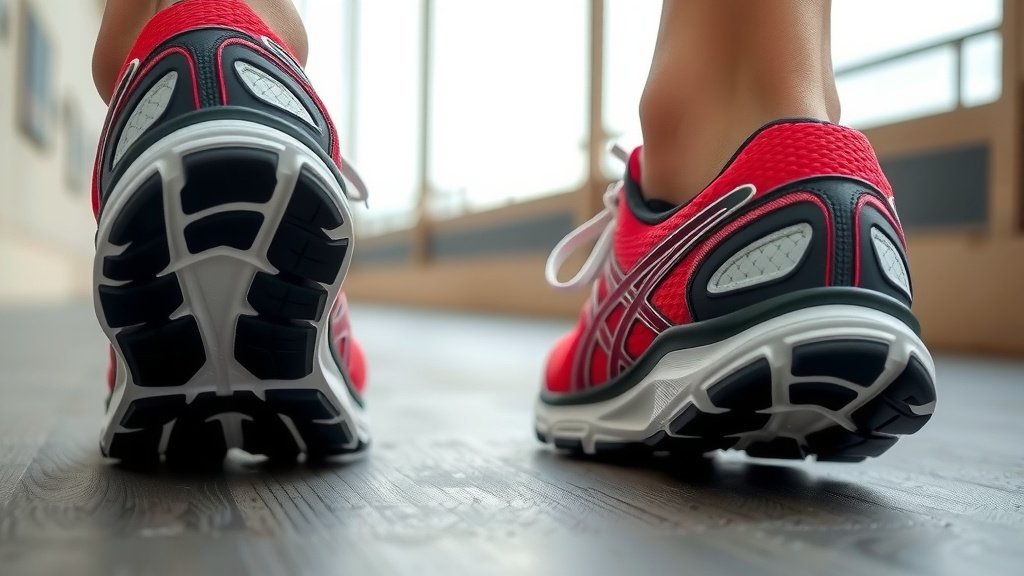
- ASICS: Provides wide options in many of their well-cushioned and supportive shoes.
- Hoka: While some models are naturally wider, they also offer specific wide versions of their popular shoes.
Consider the Shoe Type
The type of running you do can influence your shoe choice. A shoe for long-distance road running might differ from a trail running shoe. Road shoes often prioritize cushioning. Trail shoes need more grip and protection. However, the need for a wider fit remains consistent across shoe types. Always check if the specific model you like comes in a wide width.
A Quick Checklist for Buying Wide Running Shoes
To make sure you get the best possible fit, keep these points in mind:
- Know Your Width: Confirm if you need a ‘2E’ or ‘4E’ (men) or ‘D’ or ‘2E’ (women).
- Try Them On: Test them at the end of the day with your running socks.
- Check the Toe Box: Ensure there’s ample room for your toes to spread.
- Heel Fit: Your heel should feel secure, with no excessive slipping.
- Read Reviews: See what other runners with wide feet are saying.
- Return Policy: Especially for online purchases, know your return options.
| Gender | Standard Width | Wide Width | Extra Wide Width |
|---|---|---|---|
| Men | D | 2E | 4E |
| Women | B | D | 2E |
Conclusion
You’ve learned what makes running shoes ideal for wide feet. It’s all about finding that perfect balance of comfort and support. Remember, a good fit means more room in the toe box and a secure feel. Don’t settle for shoes that pinch or cause pain. Your running journey should be enjoyable, not an endurance test for your feet. Take the steps we’ve outlined to find your next pair. You deserve shoes that let your feet run freely.
Frequently Asked Questions
Can I just buy a larger size if my running shoes feel too narrow?
Buying a larger size is usually not the best solution for narrow shoes. It can lead to your foot sliding around inside the shoe. This can cause blisters and instability. It’s better to find shoes available in wide widths. This ensures both length and width are appropriate.
How do I know if I actually have wide feet?
If standard width shoes always feel tight, especially across the ball of your foot, you likely have wide feet. You might also experience discomfort, bunions, or blisters on the sides of your feet. Visiting a specialty running store for a fitting can confirm your width.
Are wide running shoes less supportive than regular ones?
No, wide running shoes offer the same level of support and cushioning as their standard-width counterparts. The main difference is the increased volume and width in the shoe’s construction. You don’t sacrifice performance for comfort when choosing a wide option.
Do I need wide shoes for walking too, or just running?
If you have wide feet, you’ll likely benefit from wider shoes for any activity that involves prolonged standing or movement. While running puts more pressure on your feet, walking can also cause discomfort in too-narrow shoes. Wide shoes can improve comfort for both.
How do I measure my foot width at home?
Place a piece of paper on a hard floor. Step on it with your sock on. Trace around your foot. Measure the widest part of your foot from side to side. Compare this measurement to sizing charts from running shoe brands. This can give you a good idea of your width.