Overpronation Running Shoes Explained: Find Your Perfect Fit
Running shoes for overpronation are designed to help control excessive inward rolling of your foot. They feature extra support on the arch side. This helps guide your foot into a more neutral motion as you run. This can lead to reduced discomfort and improved efficiency.
Overpronation means your foot rolls inward a bit too much. This can put extra stress on your feet and legs. Finding the right shoes is key to making your runs more comfortable. We found that many runners benefit from shoes with specific stability features to counter this.
- Overpronation is when your foot rolls inward too much.
- Stability running shoes help control this motion.
- They offer extra support on the arch side.
- This can prevent discomfort and improve your stride.
- Look for terms like “stability” or “motion control.”
Let’s walk through exactly what makes a running shoe great for overpronation and how to pick the best pair for your stride.
“`htmlUnderstanding Your Overpronating Foot
So, you’re curious about running shoes for overpronation? That’s smart! Overpronation is common. It means your foot rolls inward excessively when you walk or run. Think of it like your ankle saying “whoa, slow down!” a little too enthusiastically.
This inward roll can happen for a few reasons. Sometimes it’s due to your foot’s arch type. A flatter arch often leads to more pronation. Other times, it might be about your muscle strength or flexibility. We found that understanding your foot’s natural motion is the first step.
What Happens When You Overpronate?
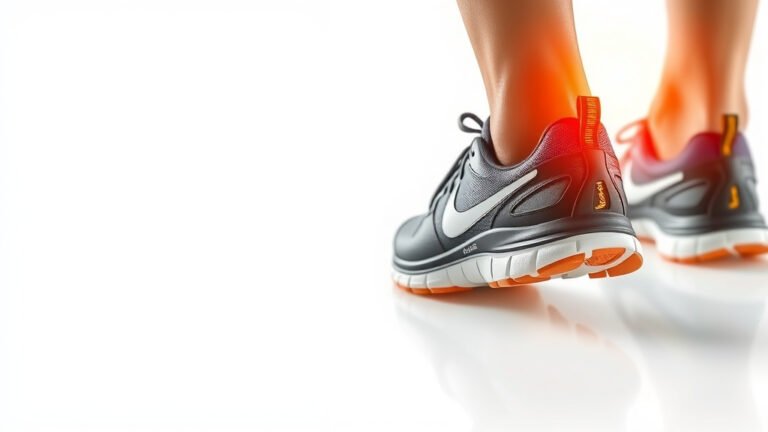
When your foot overpronates, it doesn’t absorb shock as efficiently. This can send extra stress up your leg. You might feel it in your shins, knees, or even hips. Many runners experience discomfort because their feet aren’t landing in the ideal way. It’s like trying to walk on a wobbly surface all the time.
This constant stress can sometimes lead to injuries. Things like shin splints or plantar fasciitis can be linked to overpronation. We found that runners often seek out specific shoe features to help manage this. It’s all about finding that comfortable, stable stride.
Key Features of Stability Running Shoes
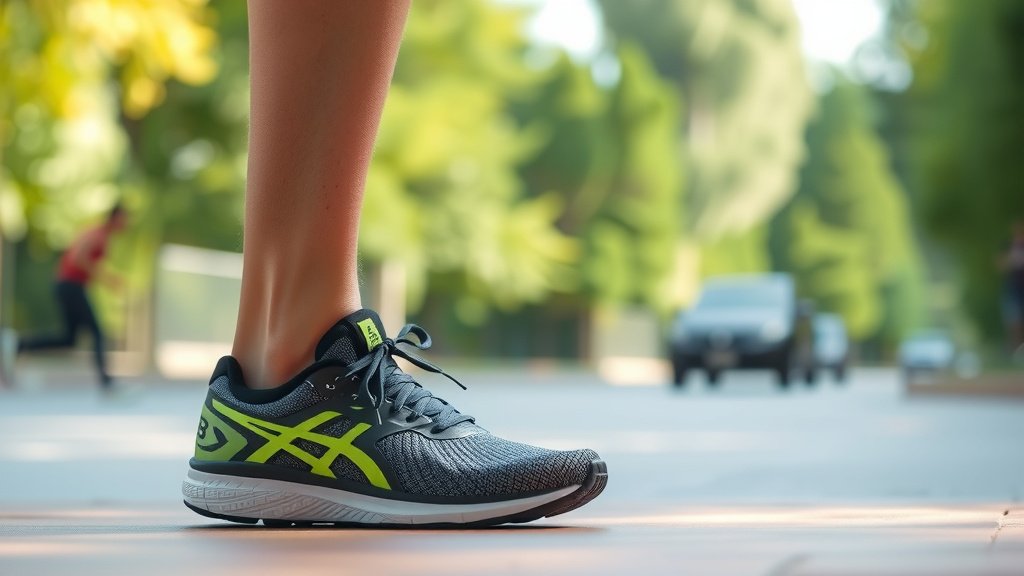
Running shoes designed for overpronation are usually called stability shoes. They’re built with specific technologies to gently guide your foot. The goal isn’t to force your foot into a different position, but to support its natural motion.
The Role of Arch Support
A key feature in stability shoes is extra support on the medial side. That’s the inner side of the shoe, right under your arch. This support helps prevent your arch from collapsing inward too much.
How Medial Support Works
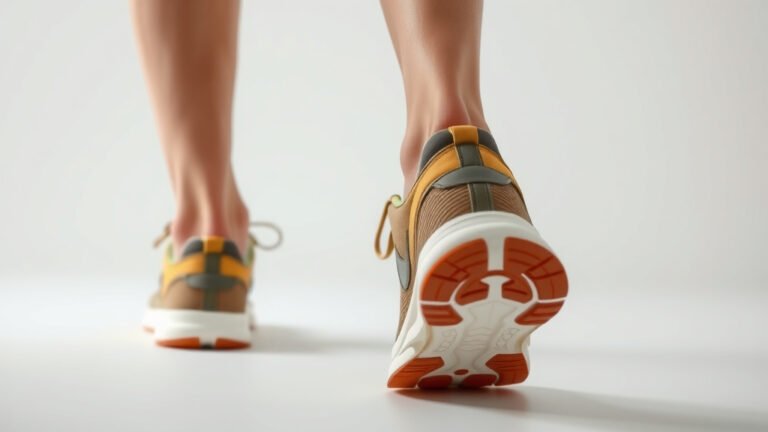
Many stability shoes use a denser foam compound on the inside edge of the midsole. This firmer foam is called a medial post. When your foot rolls inward, this post engages to slow down the excessive motion. We found that this subtle nudge makes a big difference for many runners.
Cushioning and Flexibility Considerations
While stability is key, you still need good cushioning. Overpronation can make shock absorption a challenge. So, stability shoes often offer a nice balance. They provide enough cushion to make your runs feel soft and comfortable, but not so much that your foot feels unstable.
Flexibility is also important. Your foot needs to move naturally. Stability shoes are designed to be flexible in the right places. They usually flex across the ball of your foot, allowing for a smooth toe-off. We found that overly stiff shoes can sometimes hinder your natural stride.
| Feature | For Overpronation | For Neutral Runners |
|---|---|---|
| Medial Support | Present (firmer foam, guide rails) | Minimal or absent |
| Midsole Density | Often firmer on the medial side | More uniform density |
| Flexibility | Flexes at the forefoot | Generally flexible |
| Overall Feel | Supportive, guiding | Balanced, flexible |
Motion Control vs. Stability Shoes
You might also hear about motion control shoes. These are typically for runners with severe overpronation or very flat feet. They offer even more support and are often stiffer. If you have mild to moderate overpronation, stability shoes are usually the better fit. We found that most runners find the support from stability shoes perfectly adequate.
How to Choose the Right Stability Shoe for You
Picking the right pair can feel overwhelming. But we’ve got you covered. Think of it like finding a comfortable pair of jeans; it takes a little trying on.
Consider Your Arch Type and Gait
As we mentioned, a flatter arch often means more pronation. You can often tell by looking at your wet footprint. If it shows almost your entire foot, you might have a flatter arch. Observing how you walk and run can also reveal your pronation pattern. Do your ankles seem to roll inward significantly?
Many running stores offer gait analysis. This is where they watch you run on a treadmill. They can often identify if you’re an overpronator. This expert advice is super helpful. We found that many runners benefit greatly from this professional assessment.
Try Them On!
This is the most important step. What feels good to one person might not feel right for another. Try on shoes at the end of the day when your feet are a bit swollen. This gives you a more accurate fit.
Walk and jog a few steps in the store. Pay attention to how your foot feels. Do you feel supported but not restricted? Is there enough room in the toe box? We found that a good fit should feel comfortable from the moment you put them on.
Look for Specific Stability Cues
When you’re shopping, look for terms like “stability,” “support,” or “guide rails” on the shoe box or description. These indicate the shoe is designed for overpronation. Don’t be afraid to ask a store associate for help. They can guide you toward shoes with the features you need.
What to Feel For:
- A snug heel and midfoot.
- No pinching or rubbing.
- A comfortable feel in the arch area.
- Enough room for your toes to wiggle.
- A smooth transition from heel strike to toe-off.
Finding the perfect running shoes for overpronation is a journey. It’s about understanding your body and what it needs. By focusing on stability features and trying shoes on, you’re well on your way to happier, more comfortable runs!
“`Conclusion
You’ve learned that running shoes for overpronation offer vital support for your stride. They use features like medial posts to gently guide your foot. This helps reduce discomfort and protect against common running injuries. Finding the right pair means understanding your foot and trying shoes on. Don’t be afraid to visit a local running store for gait analysis. Your next comfortable run is just a well-chosen pair of shoes away!
Frequently Asked Questions
Do I need stability shoes if I don’t run very often?
Even if you’re not a high-mileage runner, your foot mechanics still matter. If you overpronate, even short runs can put extra stress on your feet and legs. Stability shoes can help manage this stress and make your runs more comfortable, regardless of frequency.
Can stability shoes fix my overpronation?
Stability shoes are designed to support your foot’s natural motion, not to “fix” overpronation entirely. They help control the excessive inward roll, making your stride more efficient and reducing strain. They work in conjunction with your body’s natural movement.
How do I know if a shoe is a stability shoe?
Look for labels or descriptions that say “stability,” “support,” or “guide rails.” Often, these shoes will have a denser foam on the inside edge of the midsole. Many running shoe brands clearly categorize their models to help you find what you need.
What’s the difference between stability and motion control shoes?
Motion control shoes offer the highest level of support and are generally stiffer. They are typically recommended for severe overpronators or those with very flat feet. Stability shoes provide a good balance of support and flexibility for mild to moderate overpronation.
How often should I replace my stability running shoes?
Most running shoes, including stability models, last between 300 to 500 miles. You’ll notice the cushioning feeling less responsive and the support might seem diminished. It’s a good idea to track your mileage or look for signs of wear to know when it’s time for a new pair.